Deepfake Voice Chat Video Maker: How AI Generates Synthetic Video and Voice
Explore how a deepfake voice chat video maker uses AI to create synthetic media, its capabilities, ethical considerations, and future trends.

Estimated reading time: 7 minutes
Key Takeaways
- Deepfake tools use GANs to create synthetic voice and video.
- They enable real-time voice and video cloning for chat interactions.
- Advanced features include automated lip-sync and API integration.
- Ethical and legal considerations are crucial: consent, disclosure, security.
- Future trends: mobile deepfakes, interactive AI agents, detection tech.
Table of Contents
- Understanding Deepfakes
- How It Works
- Key Features and Capabilities
- Ethical Considerations and Risks
- Future Trends and Industry Impact
- Conclusion
- FAQ
Understanding Deepfakes
Deepfake technology rests on Generative Adversarial Networks (GANs), where two neural networks—the generator and the discriminator—engage in a creative duel. The generator fabricates synthetic media, while the discriminator challenges its authenticity, refining the output until it mirrors real audio or video. As GANs evolve, they power both video deepfakes (face swaps and expression mapping) and voice deepfakes (pitch, tone, and accent cloning).
With increasing accessibility, concerns around media manipulation intensify, from identity fraud to misinformation.
How It Works
At the core of a deepfake voice chat video maker lie two modules:
- Voice Cloning Module: Analyzes recordings to capture timbre, prosody, and accent, building a profile that powers text-to-speech or real-time audio cloning. For more on selecting AI voices, explore expert reviews.
- Video Synthesis Engine: Maps facial landmarks and synchronizes lip movements with cloned audio, integrating body language and eye gaze for lifelike videos.
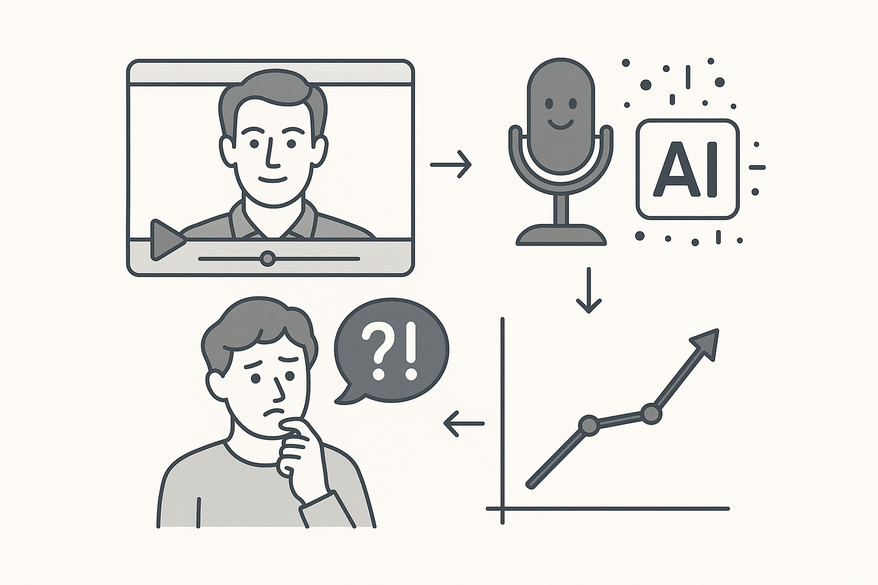
The typical workflow unfolds in four steps:
- Data Input: Collect clean voice samples and multi-angle video clips.
- Model Training: AI learns patterns in voice and facial features over training iterations.
- Generation: Supply text or live cues; the engine outputs synchronized deepfake video and audio.
- Refinement: Post-process color grading, noise reduction, and artifact removal to polish the final media.
Key Features and Capabilities
- Real-time voice and video manipulation for live chats.
- Automated lip-sync ensuring precise mouth movements.
- Integration APIs for live platforms like Zoom and Teams.
- Plugin support for Adobe Premiere and Final Cut Pro.
- Customizable avatars, backgrounds, and emotional expressions.
Tools such as Vidulk - Fake Text Message Story App streamline AI-driven chat video creation with realistic voices and background music.
Ethical Considerations and Risks
Consent and Privacy
- Cloning without permission infringes on privacy and can cause reputational harm.
- Non-consensual deepfakes may lead to emotional distress and legal disputes.
Legal Implications
- Intellectual Property and Likeness Rights: Regulations vary on using someone’s voice or image.
- Regulatory Gaps: Global oversight is fragmented, leaving loopholes in AI impersonation laws.
Misuse Scenarios
- Voice phishing (vishing) scams using cloned executive voices.
- Political deepfakes spreading misinformation.
- Harassment campaigns deploying abusive synthetic media.
Best Practices
- Obtain clear, written consent before cloning.
- Disclose AI-generated content with visible disclaimers.
- Encrypt and secure training data, complying with privacy standards like GDPR and CCPA.
Future Trends and Industry Impact
- Lower sample requirements—voice cloning from just seconds of audio.
- Mobile-friendly, on-device deepfake generation for instant synthesis.
- Interactive AI agents: avatars for support, therapy, and education.
- Increasing demand for deepfake detection and authentication tools.
- Emergence of synthetic actors and influencers in media production.
- Growth of provenance tracking via watermarking and blockchain solutions.
Conclusion
Deepfake voice chat video makers blend AI-driven voice cloning with synchronized video synthesis, offering groundbreaking creative possibilities. While the technology unlocks new frontiers in media production and interactive experiences, it also raises pressing ethical, legal, and security questions. Navigating this landscape demands transparency, consent, and robust detection strategies.
FAQ
- What is a deepfake voice chat video maker?
It’s a tool that uses AI to clone voices and generate synchronized video for realistic conversation simulations. - Are deepfakes legal to use?
Legal status varies by jurisdiction; always secure permission and be aware of likeness rights. - How can I detect a deepfake?
Look for subtle lip-sync errors, unnatural lighting, or use detection software leveraging forensic AI models. - What precautions should I take?
Obtain consent, add clear disclaimers, and safeguard training data to mitigate misuse.