Compare AI Video Clip Makers: A Head-to-Head Showdown
Explore the best AI video clip makers and find the perfect tool to automate your video creation process. Compare features, pricing, and usability in this comprehensive showdown.

Estimated reading time: 8 minutes
Key Takeaways
- AI video clip makers automate scripting, editing, and production tasks, saving time and cost.
- Tools vary by pricing model, AI capabilities, customization options, and output quality.
- Comparison factors include ease of use, feature set, AI-driven generation, and customer support.
- Real-world use cases span social media ads, training, repurposing content, and creative experiments.
- A structured checklist helps match your requirements with the right platform tier and workflow.
Table of Contents
- Understanding AI Video Clip Makers
- Why Compare AI Video Clip Makers?
- In-Depth AI Clipmaker Comparison
- AI Video Clip Maker Showdown
- Real-World Use Cases & Testimonials
- How to Choose the Right AI Video Clip Maker for Your Needs
- Conclusion & Call-To-Action
Understanding AI Video Clip Makers
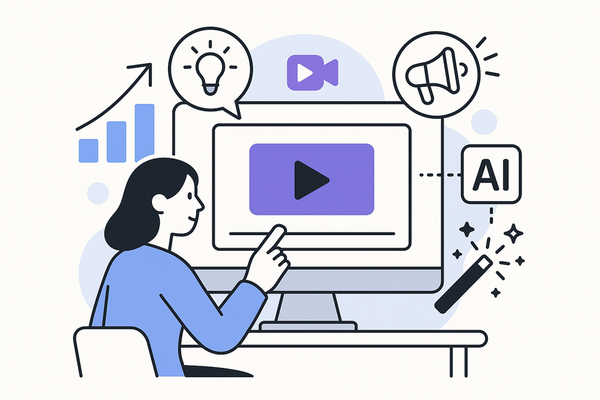
AI video clip makers leverage generative video, natural language processing, and computer vision to speed up or replace manual editing. These platforms use machine learning to automate tasks once reserved for specialist teams, turning text, images, or raw footage into polished clips in minutes.
What Are AI Video Clip Makers?
- Text-to-video conversions using templates, stock footage, and smart editing.
- Image-to-video generation or motion graphics from stills or illustrations.
- AI-powered re-editing of existing footage for fresh cuts.
- AI avatars with lip-sync, facial expressions, and multi-language support.
- Automated subtitles, voiceovers, and translation across languages.
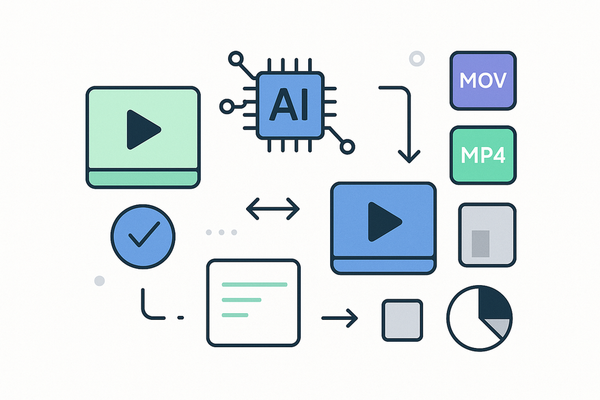
- Typical workflow: supply a script or assets, let the AI build a draft, then refine in a built-in editor.
Evolution and Growing Role in Media & Marketing
- First-gen tools offered simple templates and slide-style videos.
- Modern suites use generative models to create new scenes and animations from text prompts.
- All-in-one platforms now include video, audio, image, and music generation in one place.
- Integrations with CRM, analytics, and social publishing speed campaigns to market.
- Common uses: social media clips, explainers, onboarding, and multilingual content.
Why Compare AI Video Clip Makers?
Choosing the right tool is crucial. Each platform differs in focus, quality, price, and usability. A careful comparison ensures you align strengths with your workflow and budget, whether you need quick social ads or deep customization.
Key evaluation factors:
- Cost & pricing model: subscription vs. usage-based vs. free tier limits.
- Usability & learning curve: interface simplicity, tutorials, and onboarding.
- Features & AI capabilities: text-to-video, avatars, stock libraries, integrations.
- Quality of output: resolution, visual fidelity, and lip-sync accuracy.
- Customization & brand control: brand kits, templates, editing depth.
- Customer support & reliability: SLAs, uptime, community forums.
In-Depth AI Clipmaker Comparison
This comparison covers five key categories for top tools like Synthesia, Runway-style platforms, InVideo, and others. Discover how tools like Vidulk automate highlight detection: how AI video clipping works.
1. User Interface & Ease of Use
- Template-first editors: drag-and-drop, storyboard view, guided wizards.
- Avatar-centric tools: script input plus avatar selection with minimal timeline complexity.
- All-in-one suites: multiple AI modes (image, audio, video) in one interface; steeper learning curve.
- Metrics: clicks-to-publish, preview speed, and tutorial availability.
2. Customization & Editing Features
- Basic editing: text overlays, music pickers, simple transitions, stock styles.
- Advanced editing: full timeline, multi-track audio, keyframe animation, color grading.
- Branding: custom brand kits, reusable templates, team libraries, asset sharing.
3. AI Capabilities
- Text-to-video quality: coherence between script and visuals.
- Scene generation & transitions: smart scene breaks, auto-crop for aspect ratios.
- Avatars & synthetic voices: natural lip-sync, expressions, multi-language VO.
- Automation: batch video creation, auto-captions, translation, format resizing.
4. Pricing Models & Value for Money
- Subscription tiers: monthly plans with export limits and feature unlocks; free watermarked versions.
- Usage-based credits: pay per second or per generation, ideal for API workflows.
- Free tiers: limited resolution or export minutes for testing.
- Calculate cost per finished deliverable to gauge real value.
5. Customer Reviews & Industry Reputation
- Independent reviews and “best of” lists from SaaS experts.
- Uptime and reliability reports; funding and company longevity.
- User feedback: support response times, bug fixes, update frequency.
AI Video Clip Maker Showdown
In this showdown, we pit three archetypes against each other to highlight strengths and trade-offs.
Avatar-centric Business Generators
Pros:- Realistic AI avatars with natural lip-sync and expressions.
- Fast setup for internal comms, onboarding, and explainers.
- Easy localization into multiple languages.
- Less visual variety beyond talking heads.
- Templates can feel repetitive over time.
Template-driven Marketing Clip Makers
Pros:- Rich library of templates and stock assets.
- Drag-and-drop simplicity for non-experts.
- Quick branded clips for social media ads.
- Limited deep customization compared to NLE software.
- Generic look if templates aren’t tweaked.
All-in-one Generative Suites
Pros:- Access to image, video, audio, and music AI in one place.
- Great for creative experiments and unique visuals.
- Advanced AI scene and motion generation.
- Steeper learning curve for manual tuning.
- Pricing and output control can be complex.
Real-World Use Cases & Testimonials
Here are four scenarios where businesses see big gains when comparing AI video clip makers:
- Social Media Marketing
Small agencies create multiple TikTok and Instagram Reels from one script. “We tripled our ad test volume with zero extra editing staff.” - Corporate Training & Internal Comms
HR teams use avatar-centric tools for onboarding in five languages. “Localization used to cost us $5k per video—now it’s built-in.” - Content Repurposing
Marketers convert blog posts into explainer clips via text-to-video. “We saw a 40% boost in social views.” - Creative Campaigns & Experimental Visuals
Studios prototype music videos or narrative shorts. “We cut concept costs by 70% using AI-driven storyboards.”
How to Choose the Right AI Video Clip Maker for Your Needs
Use this checklist to match a platform to your team’s goals and budget:
- Define primary use cases (ads, training, thought leadership, experiments).
- Clarify content volume & frequency (batch vs. one-off output).
- Set quality & brand requirements (resolution, style, approval workflows).
- Determine collaboration & integrations (team size, CMS, CRM, social).
- Prioritize AI capabilities (avatars, scene generation, text-to-video, editing controls).
- Compare pricing vs. projected usage (estimate monthly minutes/generations).
- Test via free trials or demos (run a small project in 2–3 tools).
- Review support & roadmap (docs, SLAs, update frequency, forums).
Conclusion & Call-To-Action
Comparing AI video clip makers ensures you pick the right tool for avatars, templates, or generative creativity. Shortlist 2–3 tools that fit your use cases, sign up for free trials, run a pilot, and choose the platform that balances cost, speed, and quality.
- Shortlist tools based on requirements.
- Sign up for demos or free trials.
- Run a pilot project and track ROI.
- Select the platform that meets your metrics.
For more on dedicated tools, see AI Video Clip Maker and Best AI Video Repurposing Tools.
For a hands-on example of AI-driven clip making, Vidulk - AI Video Clipping App offers mobile-first solutions.

FAQ
- What is an AI video clip maker?
- An AI video clip maker is a platform that uses machine learning to automate video creation, from scripting to editing and production.
- Which factors should I consider when comparing tools?
- Evaluate cost models, usability, feature set, AI capabilities, output quality, customization, and support.
- How do I test a platform before committing?
- Run a small pilot using free trials or demos, assess speed, quality, and ease of updates.
- Can AI tools handle multilingual content?
- Yes, many platforms offer avatars, voiceovers, and subtitles in multiple languages, simplifying localization.
- What budget do I need for AI video creation?
- Budgets vary by usage; subscription plans start at free or low-cost tiers, while enterprise licensing can scale with needs. Estimate cost per deliverable for accuracy.