AI Video Clipping FAQ: Your Guide to Common Questions and Troubleshooting AI Video Clip Tools
Discover comprehensive insights into AI video clipping with detailed FAQs, troubleshooting tips, and best practices to enhance your content creation process.

Estimated reading time: 6 minutes
Key Takeaways
- AI video clipping automates the process of extracting engaging highlights from long-form content.
- Machine learning, NLP, and computer vision drive pipelines for transcription, analysis, and post-processing.
- Typical AI pipeline stages: ingestion & transcription, content analysis, highlight detection, and post-processing.
- Common challenges include black-box clipping decisions, timing errors, and caption inaccuracies.
- Hands-on troubleshooting, expert tips, and best practices ensure consistent, high-quality output.
Table of Contents
- What Is AI Video Clipping and Why It Matters
- AI Video Clipping FAQ
- Common AI Video Clipping Questions
- AI Video Clip Tool Troubleshooting
- Expert Tips, Best Practices & Further Resources
- Conclusion
What Is AI Video Clipping and Why It Matters
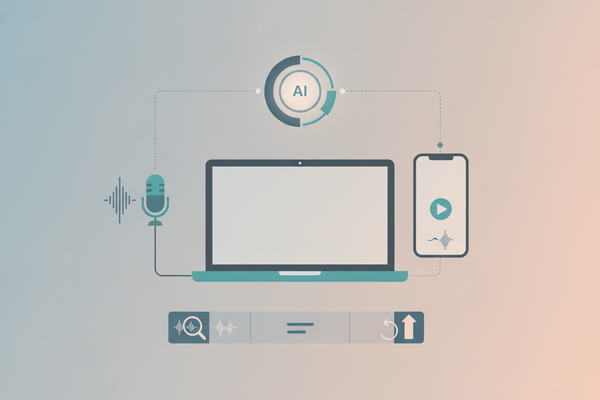
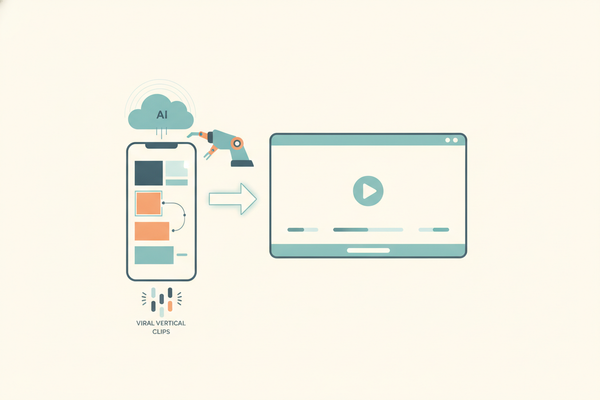
AI video clipping is the AI-driven process that automatically identifies, extracts, and formats key segments of long-form videos. Instead of manually scanning hours of footage, AI uses machine learning, natural language processing, and computer vision to pinpoint and cut the most engaging moments. This section explains core capabilities, benefits vs. manual editing, and a typical AI pipeline so you understand why users have AI video clipping FAQ.
Core Capabilities
- High-engagement moment detection (punchlines, insights)
- Auto-cutting to target lengths (30s, 60s)
- Auto-captioning and styling
- Reframing for different aspect ratios (vertical, square, landscape)
- Optional title, hashtag, and thumbnail generation
Benefits vs. Traditional Manual Editing
- Speed: minutes for AI vs. hours for manual cuts
- Scale: dozens of clips per video vs. one or two by hand
- Cost savings: lower editor fees and time investment
- Consistency: uniform branding and style across all clips
- Accessibility: non-editors can produce platform-ready videos
- Manual still wins on bespoke storytelling, creative transitions, and advanced effects
The Typical AI Pipeline
- Ingestion & transcription
• Upload your file or provide a URL.
• Speech-to-text transcription and speaker diarization. - Content analysis
• NLP scans for hooks, topic shifts, and key claims.
• Audio and video signal processing (laughter, applause, facial expressions). - Highlight detection
• Segments are scored for engagement and self-containment.
• Top candidates are trimmed to user-defined lengths.
(Learn more about how AI video clipping works) - Post-processing
• Auto-add subtitles, styling, and captions.
• Crop or reframe for target aspect ratios.
• Generate metadata: titles, descriptions, hashtags, thumbnails.

Why Users Have Questions
- Black-box decisions: Why did it pick that moment?
- Timing errors: Clips start or end mid-sentence.
- Caption inaccuracies: Mis-transcribed words or out-of-sync text.
- Customization limits: How to tweak biases and styles.
AI Video Clipping FAQ
Here are the most frequently asked questions about AI video clipping, answered in depth.
1. What types of videos work best with AI video clipping tools?
• Best: Talking-head content (interviews, podcasts), tutorials, presentations.
• Struggles: Music videos, sports highlights, heavily visual montages, noisy or overlapping audio.
(For a comparison of top AI video clip maker tools, see comparison of top AI video clip maker tools)
2. How does the AI decide what counts as a “highlight”?
• Linguistic cues: hooks (“Here’s why…”), strong claims, questions.
• Structural cues: scene changes, topic shifts, Q&A turns.
• Engagement proxies: laughter, applause, voice emphasis.
• Duration constraints: ensures clips match target lengths.
• Configurable bias: topic vs. emotion emphasis in tool settings.
Common AI Video Clipping Questions
Beyond the FAQ, here are additional questions we see most often. If you’re looking for inspiration on what to create, our ultimate guide to short form video content ideas for creators can help spark new approaches for your next project.
AI Video Clip Tool Troubleshooting
Step-by-step fixes for the most frequent tool hiccups.
Expert Tips, Best Practices & Further Resources
Expert Tips
- Start with high-quality audio/video: clear mic and lighting improve transcripts.
- Structure content for clipping: use explicit hooks and section breaks.
- Apply consistent branding templates: caption styles, fonts, colors, and logos.
- Batch process: generate 10–20 clips per video, then refine in one session.
- Leverage analytics: analyze platform performance to fine-tune durations and prompts.
- Combine specialist tools: use dedicated captioning, translation, or scheduling tools alongside your clipper.
Best Practices to Prevent Issues
- Pilot testing: calibrate length, framing, and style on sample videos.
- Version control: retain original full-length files.
- Document presets: maintain records of aspect ratios, durations, and templates.
- Human review checkpoints: require approval for brand-critical releases.
Further Resources
- YouTube tutorial series on AI video workflows
- Batch video clipping workflows
- Vendor blogs on leading AI clipper platforms: OpusClip, Adobe Express
If you’re exploring hands-on tools, consider Vidulk - AI Video Clipping App for an intuitive workflow that automates clip detection, captioning, and aspect ratio adjustments on your mobile device. For creators looking to maximize their output, check out our ultimate repurposing guide on how to post more content and grow for actionable strategies. If you want to dive deeper into the process of transforming long videos into short, shareable clips, our complete AI workflow for turning long videos into short clips provides a step-by-step guide. For a comprehensive overview of the latest AI video tools for creators, including clipping, captions, and more, see our ultimate guide to AI video tools for creators.
Conclusion
AI video clipping enables creators to turn long-form recordings into engaging, platform-ready shorts faster and more consistently. By understanding the underlying technology, diving into detailed FAQs, addressing common questions, and following hands-on troubleshooting steps, you can maximize the value of AI clipping tools while avoiding common pitfalls. Share your challenges or tips in the comments, and subscribe for more deep dives on AI video and content-repurposing tools.
FAQ
What types of videos work best with AI video clipping tools?
Best: Talking-head content (interviews, podcasts), tutorials, presentations. Struggles: Music videos, sports highlights, heavily visual montages, noisy or overlapping audio.
How does the AI decide what counts as a “highlight”?
Linguistic cues, structural changes, engagement proxies, duration constraints, and user-configurable biases determine highlight selection.