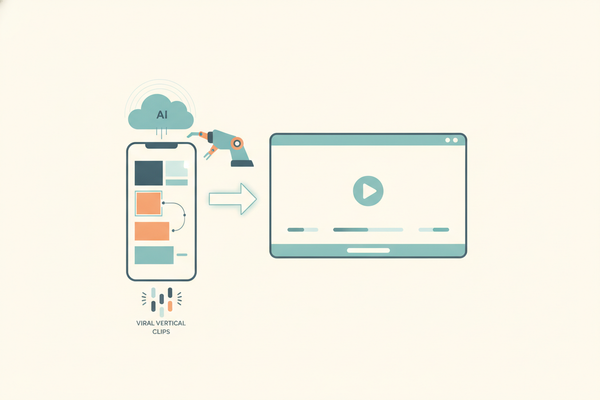
How to Embed Vidulk Clips on Your Website: A Complete Guide
Learn how to embed Vidulk clips on your website to boost engagement and SEO with this complete guide. Discover step-by-step instructions and best practices.


Estimated reading time: 8 minutes
Key Takeaways
- Embedding Vidulk clips boosts engagement and keeps visitors on-site.
- Copy-and-paste
<iframe>codes make integration seamless. - Responsive design and VideoObject schema enhance SEO performance.
- Best practices include lazy loading, captions, and protocol checks.
Table of Contents
- Background Information on Vidulk
- Common Use Cases
- Key Benefits of Vidulk Clips
- Why Choose Vidulk Over Alternatives
- Step-by-Step Embedding Guide
- Best Practices
- Troubleshooting
- Additional Tips
- Conclusion & Next Steps
- FAQ
Background Information on Vidulk
Vidulk is a video hosting platform akin to YouTube and Vimeo, designed for sharing concise, shareable segments. Clip creators upload moments you can embed with a simple snippet. For a deeper dive into the platform’s capabilities, visit our detailed guide.
Common Use Cases
- Educational blogs illustrating lessons with video examples.
- Marketing sites showcasing product demos.
- Tutorial pages guiding users through step-by-step processes.
Key Benefits of Vidulk Clips
- Reduced Server Load: Offload hosting to Vidulk’s CDN.
- Built-In Analytics: Track views, watch time, and engagement.
- Cross-Platform Sharing: Embed without bulky file handling.
Why Choose Vidulk Over Alternatives
- Simple, copy-and-paste embed codes.
- SEO-friendly features like customizable titles and descriptions.
- Reliable playback on desktop and mobile devices.
Step-by-Step Embedding Guide
- Locate and Copy the Embed Code
- Open your Vidulk clip, click “Share” or “Embed.”
- Copy the provided
<iframe>HTML code.
- Insert into WordPress
- In Gutenberg, add a Custom HTML block at the desired spot.
- Paste your
<iframe>code and preview the embed.
- Insert into Plain HTML Sites
- Open your
.htmlfile in a code editor. - Paste the iframe code inside a container where you want the video.
- Save and upload the file to your server.
- Open your
- Ensure Responsiveness
<div style="position: relative; padding-bottom: 56.25%; height: 0; overflow: hidden;">
  <iframe style="position: absolute; top: 0; left: 0; width: 100%; height: 100%;"
          src="YOUR_VIDULK_CLIP_URL"
          frameborder="0"
          allowfullscreen>
  </iframe>
</div>
This CSS wrapper keeps a 16:9 aspect ratio so your clip scales fluidly across devices.
For embedding chat-style videos, check out our guide on embedding chat-style videos.
Best Practices
Performance & Loading Speed
- Always embed to leverage Vidulk’s fast CDN.
- Add
loading="lazy"to your<iframe>tags to defer offscreen clips.
Customization & User Experience
- Use URL parameters (e.g.,
autoplay=1,controls=0) but test for accessibility. - Avoid autoplay on mobile to save data.
- Provide captions or custom thumbnails for higher engagement.
SEO Benefits & VideoObject Schema
{
  "@context": "https://schema.org",
  "@type": "VideoObject",
  "name": "Your Video Title",
  "description": "Short description of clip content",
  "thumbnailUrl": ["https://example.com/thumbnail.jpg"],
  "uploadDate": "2024-01-01",
  "contentUrl": "https://vidulk.com/clips/12345",
  "embedUrl": "https://vidulk.com/embed/12345"
}
Implementing this structured data helps Google index and display your clips in rich results.
Troubleshooting
- Clip Not Loading: Check your iframe
srcfor correct protocol (HTTPS) and inspect the console for errors. - Responsiveness Issues: Verify your CSS wrapper has no missing styles and test on multiple devices.
- Code Conflicts: In WordPress, isolate embeds in Custom HTML blocks to avoid theme overrides.
- Slow Performance: Limit embedded clips per page and use
loading="lazy".
Additional Tips
- Pair your Vidulk clips with images, infographics, or summary text to reinforce key points.
- Insert videos immediately after the paragraph that introduces the topic.
- Use Vidulk’s analytics dashboard or integrate Google Analytics events for deeper insights.
- Sites with embedded video often rank higher in blended search results.
Conclusion & Next Steps
By now, you know how to embed Vidulk clips by copying the iframe code, inserting it into WordPress or HTML, and applying responsive CSS. Following best practices—lazy loading, customization, and VideoObject schema—boosts engagement and SEO. Troubleshoot common issues with protocol checks and CSS wraps. Embedding Vidulk clips delivers a richer user experience and helps your site stand out.
Ready to get started? Share your embedding successes or questions in the comments below, and subscribe to our newsletter for more guides on advanced embedding techniques.
FAQ
- Q: How do I find my Vidulk embed code?
A: Open the clip on Vidulk, click “Share” or “Embed,” and copy the provided iframe snippet. - Q: Can I customize the player’s appearance?
A: Yes—use URL parameters likecontrols=0or custom thumbnails, but always test for accessibility. - Q: What if my clip doesn’t load?
A: Verify the iframe’s HTTPS protocol, check for mixed-content errors, and ensure your CSS wrapper is intact. - Q: Is it SEO-friendly to embed videos?
A: Absolutely—place videos near the top of your page, provide transcripts, and implement VideoObject schema for rich results.