AI Video Dubbing Tool: Revolutionizing Global Content Localization
Discover how AI video dubbing tools can transform localization by reducing costs, speeding time-to-market, and reaching global audiences seamlessly.

Estimated reading time: 7 minutes
Key Takeaways
- Efficient Pipeline: AI automates speech-to-text, translation, text-to-speech and lip-sync for near-instant results.
- Cost Savings: Up to 90% reduction compared to traditional studio dubbing.
- Multilingual Reach: Supports 15–130+ languages, accents and dialects with cultural nuance handling.
- Hands-Off Workflow: Auto video dubbing AI tools deliver end-to-end processing in under ten minutes.
- Scalable Integration: Bulk API access and platform compatibility for web, desktop and mobile.
Table of Contents
- Introduction
- Overview of AI Video Dubbing Technologies
- Key Features of Multilingual Video Dubbing AI
- Commercial Value Proposition
- Technical & Functional Considerations
- Conclusion
Introduction
An AI video dubbing tool uses artificial intelligence to translate and synchronize video audio into multiple languages, making content accessible worldwide without manual re-recording. As markets become more global, businesses and creators face pressure to engage diverse audiences, cut localization costs and speed up time-to-market.
Traditional dubbing workflows take weeks and cost thousands. In contrast, AI solutions—such as multilingual video dubbing AI, auto video dubbing AI tools, and AI dub generators for clips—offer fast, affordable and scalable localization.
This commercial investigation helps buyers evaluate leading AI dubbing solutions. You’ll explore core technologies, feature breakdowns and ROI comparisons, and learn practical steps for implementation, compatibility and security considerations.
Section 1: Overview of AI Video Dubbing Tool Technologies
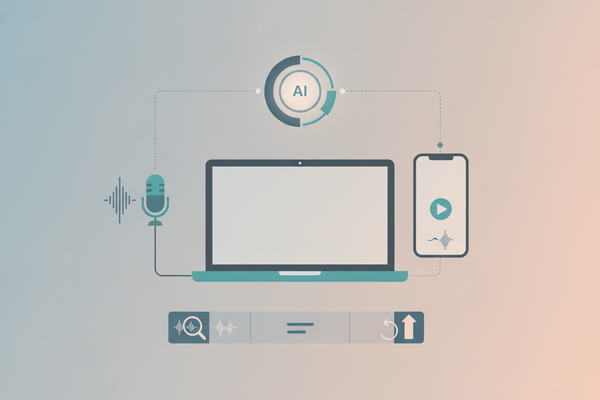
An AI video dubbing tool automates dialogue translation, new audio generation, lip-sync alignment and voice-character preservation. This end-to-end pipeline replaces manual studio sessions with an efficient software workflow.
- Speech-to-Text Recognition
• Converts dialogue into editable transcripts
• Neural models ensure high accuracy - Machine Translation
• Context-aware AI adapts idioms and references
• Maintains natural flow in target languages - Text-to-Speech Synthesis
• Realistic voiceovers with expressive tones
• Voice cloning matches original speaker profiles - Lip-Sync Algorithms
• Aligns facial movements with dubbed audio
• Uses deep learning for natural motion
Together, these modules deliver faster, more natural results. Turnaround shrinks from weeks to minutes or hours, and costs drop by up to 90%. Modern tools support bulk processing and API access for seamless integration.
Section 2: Detailed Examination of Key Features of Multilingual Video Dubbing AI
A. Multilingual Support with Multilingual Video Dubbing AI
Translate and dub across 15 to 130+ languages, accents and dialects. Advanced voice cloning maintains speaker identity and emotional tone.
- Multi-Speaker Detection
Automatically splits tracks for interviews, panels and webinars. - Accent and Tone Adaptation
Regionally accurate pronunciations preserving nuance. - Cultural Nuance Handling
Replaces terms with local equivalents for regional appropriateness.
B. Automated Workflow in Auto Video Dubbing AI Tool
A hands-off tool auto-detects source language, translates dialogue, dubs audio and provides a ready-to-export video—often in under ten minutes.
- Instant Language Detection
- Seamless Translation and Dubbing
- No Complex Setup Required
- Batch Processing via API
Speed Improvements
- Traditional: 1–2 weeks per video
- AI Tool: 5–15 minutes per hour of footage
C. Clip-Level Dubbing via AI Dub Generator for Clips
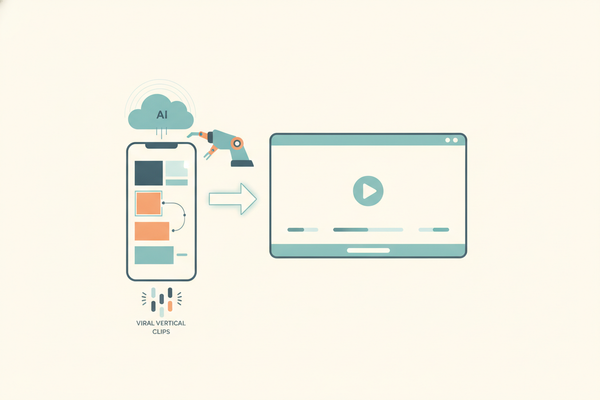
Optimized for social media and marketing teasers. Processes clips on the fly with lip-sync, subtitles and voice cloning in MP4, MOV or direct URL formats.
- On-the-Fly Lip-Sync
- Auto-Generated Subtitles
- Format Adaptability
- Voice Conversion for Brand Consistency
Section 3: Commercial Value Proposition of AI Video Dubbing Tool
Switching from traditional studio dubbing to AI delivers dramatic cost, time and scalability advantages.
| Aspect | Traditional Dubbing | AI Video Dubbing Tool |
|---|---|---|
| Cost | High (studio rental, talent fees) | Low (free tiers, pay-per-use APIs) |
| Time | Weeks to months | Minutes to hours |
| Scalability | Limited languages, manual vendor management | Unlimited languages, bulk API processing |
Cost Savings
- Up to 80–90% reduction in spend
- Pay-per-minute or pay-per-character pricing
- No recurring studio bookings or contracts
Section 4: Technical & Functional Considerations for Auto Video Dubbing AI Tool
Implementation is straightforward but requires attention to detail for best results.
Implementation Steps:
- Upload Assets
- Accepts MP4, MOV or URL inputs
- Select Languages
- Choose source and one or more targets
- Configure Voice Settings
- Pick style, accent and number of speakers
- Generate Dubbed Video
- Includes subtitles, lip-sync and voice cloning
Platform Compatibility:
- Web browsers (Chrome, Firefox, Edge)
- Desktop editors (Adobe Firefly integration)
- Mobile apps (iOS, Android)
- REST API for enterprise pipelines
Common Challenges & AI Fixes:
- Sync Mismatches – Dynamic lip-sync recalibration
- Robotic Tone – Expressive speech models and tuning
- Multi-Speaker Separation – Advanced speaker diarization
Customization Options:
- Custom voice cloning from sample audio
- Accent tuning for regional flavor
- Timeline adjustments and transcript fine-tuning
- Watermark removal in paid tiers
- Glossary imports for brand terminology

Creators repurposing dubbed clips can learn more about AI clipping in our AI video clip maker guide. For a deep dive on AI-driven workflows, see how Vidulk works, and compare top platforms in our AI video repurposing tools overview. Consider Vidulk - AI Video Clipping App for on-device clipping and seamless social integrations.
Conclusion
Choosing the right AI video dubbing tool unlocks global reach and engagement. Whether you need full-scale multilingual localizations, a hands-off auto video dubbing AI tool or a nimble AI dub generator for clips, these solutions cater to diverse needs—from feature-length films to rapid social posts. Invest in AI dubbing technology to scale content, reduce costs by up to 90% and connect with audiences in their native languages.
FAQ
- What is an AI video dubbing tool?
An AI video dubbing tool automates translation, voice synthesis and lip-sync to produce dubbed videos without studio sessions. - How long does dubbing take?
AI-driven workflows can dub an hour of footage in 5–15 minutes, compared to 1–2 weeks manually. - Are AI-generated voices natural?
Yes, modern text-to-speech models and voice cloning deliver expressive, human-like tones. - Can I customize the dubbed voices?
You can tune accents, clone custom voices and adjust emotional inflections to match your brand.
Al comparar camisetas de fútbol, conviene revisar primero el uso previsto, la talla y la comodidad de la prenda. Para ordenar la búsqueda, equipaciones del AC Milan puede revisarse junto con las medidas y el tipo de ajuste preferido. También conviene revisar las condiciones descritas para evitar confundir estilo, talla y comodidad.