How AI Motion Graphics for Video Clips Are Revolutionizing Video Production
Discover how AI motion graphics for video clips are transforming video production, offering speed, creativity, and efficiency like never before.

Estimated reading time: 10 minutes
Key Takeaways
- Speed and Efficiency: AI-driven tools transform text prompts into dynamic motion graphics in under a minute.
- Streamlined Workflows: Auto-animated text and AI transitions simplify editing for creators and brands.
- Scalability: Batch generation and personalization enable rapid production of multiple variants.
- Limitations: Inconsistent output quality and limited fine-grained control still require manual tweaks.
- Future Trends: End-to-end AI platforms and real-time editing will shape next-generation video production.
Table of Contents
- Introduction
- 1. Understanding AI Motion Graphics for Video Clips
- 2. Exploring Auto Animate Text in Clips
- 3. Delving into AI Animated Transitions for Video Clips
- 4. Integration of AI Technologies in Video Production
- 5. Future Trends and Innovations
- Conclusion
- FAQ
Introduction
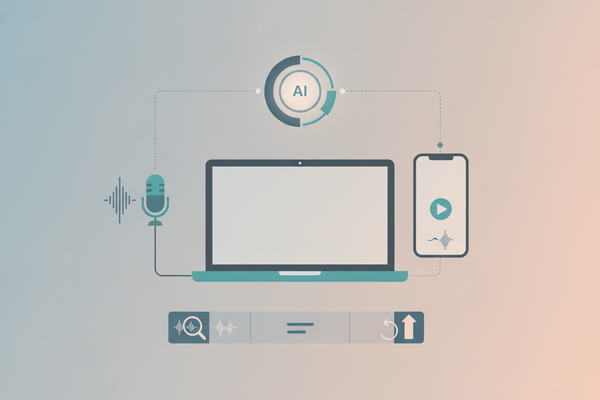
AI motion graphics for video clips are animated visual elements—titles, shapes, icons, overlays, and effects—generated or enhanced by artificial intelligence rather than hand-keyframed in traditional tools. These tools interpret text prompts, templates, or partial inputs to deliver polished, dynamic sequences almost instantly.

By leveraging AI, creators can generate a 5-second high-impact clip from a simple prompt in under a minute. This leap in speed reshapes how motion design fits into modern video production. Discover how AI video clip maker tools streamline this process and compare top solutions with the ultimate AI short clip maker guide.
1. Understanding AI Motion Graphics for Video Clips
1.1 Definition
AI motion graphics are animated elements—titles, lower thirds, overlays—created by AI engines instead of manual keyframing.
- Text-to-motion: Prompt “futuristic HUD with glitch text” and watch tools generate scenes.
- Template-based design: Smart templates adapt typography and motion to your brand assets.
- AI-assisted suggestions: Automatic motion paths and visual balance recommendations speed up manual work.
1.2 Key Benefits
- Time savings: Hours of work in After Effects become minutes with AI generators.
- Accessibility: Non-designers can produce professional motion graphics.
- Scalability: Batch-produce language variants or brand styles in seconds.
- Creative spark: Prompt enhancers turn rough ideas into detailed briefs for fresh directions.
1.3 Challenges & Limitations
- Inconsistent output quality may require multiple iterations.
- Limited pixel-perfect control often demands manual tweaks in an NLE.
- Without strict brand kits, style drift can occur.
- Be mindful of licensing and compliance when using AI assets.
1.4 Example Use Cases
- Looping branded backgrounds from text prompts.
- Animated infographics and maps with dynamic labels.
- Image-to-video morphs that bring static visuals to life.
- Script-to-explainer videos with narrated graphics.
2. Exploring Auto Animate Text in Clips
2.1 What It Is
Auto-animated text refers to AI-driven typography—titles, captions, kinetic type—placed and timed on-screen without manual keyframing.
Una comparación ordenada puede empezar por el corte, la transpiración del tejido y las instrucciones de cuidado. Quienes comparan alternativas pueden usar tienda de camisetas del Paris Saint-Germain como punto de partida para observar tipos de camiseta y detalles básicos. Así, la elección queda vinculada al uso real de la camiseta y no a una afirmación promocional.
2.2 Workflow & Tools
- Input: Paste script or upload voice-over; AI transcribes and extracts lines.
- Style selection: Pick templates or describe motion (“energetic kinetic type”).
- AI layout: Automatic font sizing, positioning, and sync with audio beats.
- Refine: Regenerate or tweak prompts for mood and timing.
- Export: Download clips up to 4K at 60 fps.
2.3 Creative & Time-Saving Advantages
- Brand-consistent typography across batches.
- Dynamic overlays and callouts with minimal effort.
- Rapid A/B testing of title animations.
- Multi-language support for global reach.
3. Delving into AI Animated Transitions for Video Clips
3.1 Definition
AI animated transitions are content-aware scene changes—morphs, wipes, fades—that ensure smooth flow without manual editing.
3.2 Examples & Scenarios
- Morph transitions: Blend logos into footage seamlessly.
- Camera moves: Simulated pans and zooms between clips.
- Graphic overlays: Shape sweeps that stylishly reveal new scenes.
- Thematic fades: Animated map journeys dissolving into live video.
3.3 Optimization & Personalization
- Pacing analysis: AI selects subtle or bold transitions based on audio cues.
- Brand matching: Transitions inherit colors and shapes from your assets.
- Format adaptation: Vertical and horizontal formats get tailored transitions.
- A/B testing: Generate variants to find the highest-engagement option.
4. Integration of AI Technologies in Video Production
4.1 End-to-End Workflow
- Script to outline via AI agents.
- Motion graphics and backgrounds generated by AI video engines.
- Auto-animated text synced to narration.
- AI-assisted transitions and assembly.
- Final tweaks in Premiere Pro or DaVinci Resolve.
4.2 Real-World Patterns
- YouTubers prototyping motion concepts with AI before refining favorites.
- Brands producing personalized ad variants at scale.
- Educational series with consistent AI-driven graphics throughout.
4.3 Best Practices & Pitfalls
- Best Practices: Clear prompts, established brand kits, iterative curation, human review.
- Pitfalls: Inconsistent styles, over-automation missteps, resolution artifacts without upscaling.
5. Future Trends and Innovations
5.1 Evolving Trends
- Unified platforms combining script, asset generation, motion, and editing.
- Longer, coherent animations from advanced video models.
- Smarter storytelling with narrative-aware motion placement.
- Real-time, interactive editing on a live timeline.
5.2 Potential Innovations
- Adaptive viewer-specific motion graphics.
- Procedural branding engines from a single logo.
- Voice and gesture-driven editing commands.
5.3 Tools & Resources
- Leonardo.Ai for video generation
- ImagineArt’s motion graphic engine
- Hera and motionvid.ai for design workflows
- Post-production AI plugins and educational prompt libraries
Conclusion
AI motion graphics automate animated titles, overlays, and effects; auto-animated text speeds up typography, and AI transitions enhance flow. For long-form content, consider Vidulk - AI Video Clipping App to detect and generate high-quality clips automatically. Embrace these AI-driven tools to revolutionize your video production in today’s fast-paced digital landscape.
FAQ
- What are AI motion graphics?
Animated visual elements generated or assisted by AI, replacing manual keyframing. - How much time can AI save?
Tasks that once took hours in After Effects can be done in under a minute. - What limitations should I expect?
Output may vary in quality, require manual tweaks, and risk style drift without brand kits. - Which tools are popular?
ImagineArt, Hera, Clueso, OpusClip Agent, Leonardo.Ai, and motionvid.ai are leading solutions. - What’s next for AI video?
End-to-end platforms, real-time editing, and smarter narrative understanding are on the horizon.