AI Video Clip Auto Backup Tool: Definition, Workflow, and Benefits
Discover the AI video clip auto backup tool—understand its workings, benefits, and setup for efficient video backup automation with intelligent organization.


Estimated reading time: 4 minutes
Key Takeaways
- Definition of an AI video clip auto backup tool and its role in smart video management.
- Four-step workflow: Detection, Analysis & Categorization, Backup & Synchronization, and Ongoing Management.
- Core features like real-time backup, intelligent tagging, and smart storage optimization.
- Implementation steps and best practices for reliable, automated backups.
- Future trends such as semantic search and privacy-aware on-device AI enhancements.
Table of Contents
- Understanding AI Video Clip Auto Backup Tool Technology
- Key Features and Benefits
- Implementing Your AI Video Clip Auto Backup Tool
- Future of Video Backup Automation
- FAQ
1. Understanding AI Video Clip Auto Backup Tool Technology
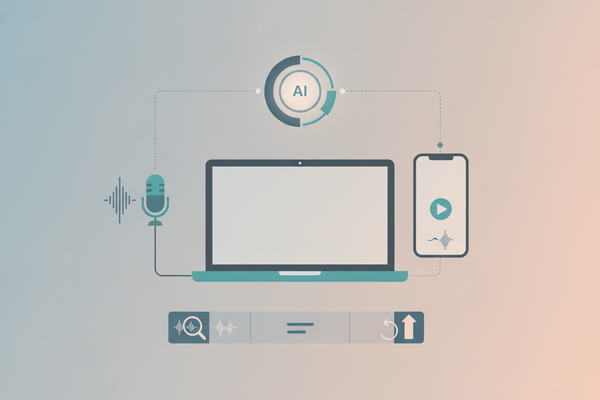
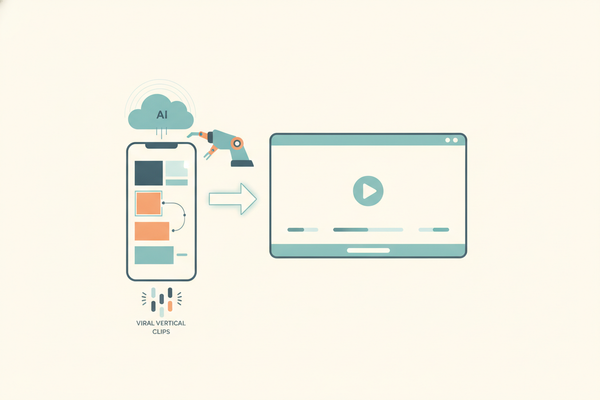
An AI video clip auto backup tool leverages machine learning to transform standard file copying into an intelligent, content-aware process. It automatically detects new video files, analyzes their content, organizes them with meaningful tags, and backs them up without duplication.
- Detects new video files as soon as they appear.
- Analyzes content using speech-to-text and scene detection—similar to AI clip detection tools.
- Organizes clips by tags like “event,” “client,” or “people.”
- Avoids duplicate backups with smart versioning.
Four-Step AI Backup Workflow
- Detection
Continuously monitors folders, device mounts, and cloud feeds, triggering backups when cameras or phones connect. - Analysis & Categorization
Extracts metadata (resolution, codec, duration, creation date), transcribes speech, and tags scenes and people. - Backup & Synchronization
Copies files to cloud, NAS, or external drives, performs deduplication, and applies AI-driven encryption for end-to-end security. - Ongoing Management
Surfaces relevant clips for new projects and enables fast, content-based searches by keywords or tags.

2. Key Features and Benefits
Core Features
- Auto-detection of New Clips – Spots new files instantly using file-system watchers and device triggers.
- Real-Time Backup – Syncs clips to primary and secondary storage with minimal delay.
- Intelligent Tagging – AI generates metadata for projects, clients, events, and scenes.
- Smart Storage Optimization – Flags duplicates and low-value clips; suggests archiving or compression.
- Searchable Archive – Enables full-text search across transcripts, dates, people, and scenes.
- Automated Workflows – Integrates with NLEs and cloud tools for seamless clip export.
Benefits by Persona
- Content Creators & Influencers
Fast transfers, secure raw footage storage, and quick repurposing of past clips. - Videographers & Production Teams
Multi-site backups for shoots, reducing the risk of lost footage. - Marketing Teams & Businesses
Maintains a central asset library for easy reuse of past ads or tutorials. - General Users
Automatically safeguards family videos, organizing them by date, event, or people.
For more insight on how these tools mirror AI video clipping workflows, explore our detailed guide.
3. Implementing Your AI Video Clip Auto Backup Tool
Step-by-Step Setup
- Identify Sources – Define cameras, SD cards, smartphones, NLE project folders, and cloud drives.
- Select Destinations – Choose a cloud provider, on-premise NAS, and external HDD following the 3-2-1 backup rule.
- Configure Rules – Specify file types, resolutions, retention policies, and privacy settings.
- Connect Publishing Tools – Auto-archive masters and exports, ensuring social clips are backed up.
Best Practices
- Standardize folder naming conventions to boost AI tagging accuracy.
- Use multiple backup targets and test restores regularly.
- Review and refine AI-generated tags for optimal organization.
- Monitor key directories to prevent missed clips.
4. Future of Video Backup Automation
- Semantic Search – Perform natural-language queries across archived clips.
- Proactive Risk Detection – Auto-scan backups for corruption and re-copy affected files.
- Privacy-Aware On-Device AI – Combine encryption with local analysis for sensitive content.
- Context-Aware Policies – Prioritize critical shoots when bandwidth is limited.
- Unified “Media Brain” Indexing – Implement a single AI layer to track clips across all storage locations.
Adopting an AI video clip auto backup tool reduces manual work, ensures smart organization, and empowers quick search and reuse as video volumes grow.
Many creators also use Vidulk - AI Video Clipping App to repurpose footage into short clips, enhancing security and productivity.
FAQ
What is an AI video clip auto backup tool?
It’s a system that uses artificial intelligence to automatically detect, organize, and back up video clips from various sources to secure storage with minimal user intervention.
How does the four-step workflow work?
The tool continuously detects new files, analyzes and categorizes content, backs up to chosen destinations, and offers ongoing management through smart searches and version control.
Which storage options should I choose?
Follow the 3-2-1 rule: keep three copies of your data, store two backups on different media (e.g., cloud and NAS), and one off-site or external.
Las camisetas asociadas a jugadores suelen requerir una revisión cuidadosa de talla, acabado y descripción del producto. Si la búsqueda se centra en una figura concreta, tienda de camisetas de Cristiano Ronaldo conserva esa referencia sin mezclar equipos o selecciones. La decisión final resulta más clara cuando se comparan datos concretos y no solo la apariencia general.
Can I search clips by content?
Yes. AI-generated transcripts, tags, and metadata enable full-text and content-based searches across your archive.
Is my data secure?
AI-driven encryption protects files end to end, while proactive risk detection can automatically identify and remediate corrupted backups.