How to Auto Add Callouts to Video Clips AI: The Ultimate Guide
Discover how auto add callouts to video clips AI revolutionizes video editing by automating overlays, enhancing clarity, and boosting engagement.


Estimated reading time: 8 minutes
Key Takeaways
- Time savings: AI-driven callouts eliminate manual positioning and keyframing.
- Automated precision: Pipelines combine content analysis, motion tracking, and contextual recognition.
- Top tools: OpusClip, Chopcast, VEED.IO, and LTX Studio lead the market.
- Common hurdles: Accuracy in complex scenes and the risk of over-automation.
- Future outlook: Expect real-time overlays, multi-modal prompting, and deeper personalization.
Table of Contents
- What Are Callouts in Video Clips?
- The Role of AI in Video Editing
- How “Auto Add Callouts to Video Clips AI” Works
- Use Cases and Benefits
- Tools and Software Solutions
- Challenges and Limitations
- Future Trends in AI-Driven Video Editing
- Embedded Example
- Conclusion and Final Thoughts
- FAQ
What Are Callouts in Video Clips?
Callouts are visual or textual overlays—such as arrows, boxes, labels, or captions—that guide viewers to important details in each frame. By automating callout creation, you unlock:
- Enhanced clarity: Direct attention to critical elements.
- Improved accessibility: Aid diverse or hearing-impaired audiences.
- Professional polish: Maintain consistent styling across videos.
- Higher engagement: Highlight key points to retain viewer interest.
Use cases range from product demos and tutorials to educational lectures and social media shorts. For example, a tech reviewer might leverage AI-powered motion tracking to tag processor specs as a product rotates. Learn more in the best AI motion tracking tools article.
The Role of AI in Video Editing
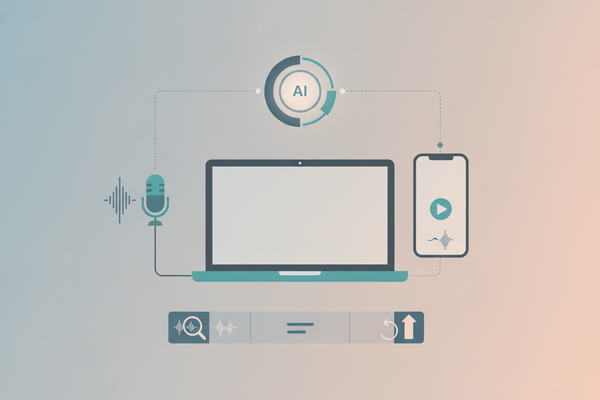
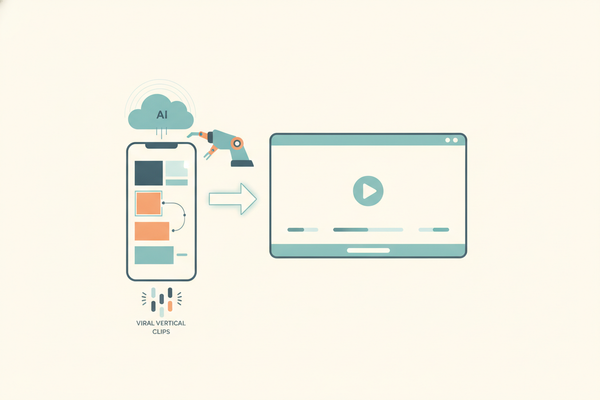
Artificial intelligence transforms repetitive editing tasks—like manually keyframing text onto moving objects—into automated workflows. When you auto add callouts to video clips AI acts as your digital assistant, delivering efficiency, consistency, and scalability. Explore how AI clipping and editing works in the how AI video clipping works guide.
How “Auto Add Callouts to Video Clips AI” Works
The typical AI pipeline for automated callouts involves:
- Content Analysis: Scans each frame for text, faces, and moving objects. Source: AI video highlights.
- Scene Detection: Identifies shot boundaries and contextually important segments.
- Motion Tracking: Locks onto subjects and follows them frame-by-frame.
- Contextual Recognition: Uses speech-to-text to surface keywords or on-screen text.
- Automatic Application: Places overlays using pre-set style templates.
- User Refinement: Allows editors to tweak positions, durations, fonts, and colors for brand consistency.
Actionable tip: Always review AI-generated callouts in a low-risk preview mode before final export to ensure accuracy and readability. For best practices on subtitles, see add captions to video clips.
Use Cases and Benefits
Auto add callouts to video clips AI shines across multiple domains:
- Content Marketing & Social Media: Highlights key points and automates branding overlays.
- Educational Videos: Auto-annotates definitions, steps, and formulas.
- Product Demos: Keeps labels synced with moving products.
- Sports Coverage: Dynamically overlays player names, stats, and play arrows.
- Accessibility: Generates synchronized captions and speaker labels.
Tools and Software Solutions
Here are leading platforms to auto add callouts to video clips AI:
- OpusClip: Motion-based scene detection with ClipAnything prompts.
- Chopcast: AI-driven key moment extraction and multi-platform export.
- VEED.IO: Smart cut‐trace, text titles, and stock music integration.
- LTX Studio: Prompt-based clip generation with frame-level control.
For a deep dive, see: AI clip editor app revolution.
Challenges and Limitations
Despite its power, AI callout automation faces common hurdles:
- Accuracy in complex or cluttered scenes
- Dependency on high-quality source footage
- Contextual understanding vs. over-automation
- Need for human review to catch misplacements
Mitigation strategies include using clear prompts, reviewing AI outputs, and maintaining a manual preview step.
Future Trends in AI-Driven Video Editing
- Multi-Modal Prompting: Combining text, images, and tags for smarter overlays.
- Enhanced Contextual Awareness: AI that understands story beats.
- Real-Time Processing: Live stream overlays at scale.
- Personalization: Style learning for brand consistency.
- Cross-Platform Optimization: Tailored outputs for TikTok, YouTube, Instagram.
- Integrated Accessibility: Built-in captions and transcripts.
Embedded Example
Below is a snapshot of automated callouts in action:

Conclusion and Final Thoughts
By leveraging AI to auto add callouts to video clips, creators can work faster, maintain a consistent look, and boost viewer engagement. We’ve covered definitions, AI workflows, real-world examples, leading tools, challenges, and future innovations. Start experimenting today to unlock a new level of productivity and creativity in your video editing.
FAQ
What exactly are callouts in video editing?
Callouts are visual or textual overlays—such as arrows, boxes, or labels—that draw attention to specific elements in a video frame.
How does AI detect objects for callouts?
AI uses content analysis models and motion-tracking algorithms to identify faces, text, and moving objects across frames.
Which tool is best for automated callouts?
It depends on your needs. OpusClip excels at scene detection, Chopcast is great for highlight reels, VEED.IO integrates media assets seamlessly, and LTX Studio offers fine-grained control.
How can I ensure callout accuracy?
Always review AI suggestions in preview mode, use high-quality footage, and adjust positions and styles manually when needed.
What’s next for AI in video editing?
Expect real-time overlays for live streams, multi-modal prompting, and deeper personalization based on brand style guides.