
Best Times to Post Short Clips for Growth: Ultimate Guide
Discover the best times to post short clips for growth on TikTok, YouTube Shorts, and Reels. Maximize views with smart scheduling and content batching.

Estimated reading time: 12 min
Key Takeaways
- Optimal posting times vary by platform: TikTok, YouTube Shorts, and Instagram Reels each have peak engagement windows.
- Friday evenings and weekday evenings generally outperform other times for short clips.
- Consistency and posting frequency are as important as timing for growth.
- Use audience analytics and consider your viewers’ time zones to schedule posts effectively.
- Batching content and repurposing long videos into many clips streamline your workflow and boost viral potential.
Posting short clips at the right times can dramatically boost your reach, engagement, and follower growth. Whether you create educational content or entertaining clips, understanding when to post on TikTok, YouTube Shorts, and Instagram Reels is crucial. This guide covers the best times to post short clips for growth, how to post more consistently through batching, and how to repurpose content effectively for maximum viral impact.
1. Platform-Specific Best Times for TikTok, YouTube Shorts, and Reels
Each short video platform has distinct peak hours when viewers are most active. TikTok users tend to engage most during mid-morning and evening hours, while YouTube Shorts sees strong traffic around lunchtime and early evenings. Instagram Reels often perform best in the evenings and on Fridays.
For TikTok, the best posting windows are generally between 6 AM–10 AM and 7 PM–11 PM (local time). YouTube Shorts peak engagement occurs roughly from 12 PM–2 PM and 7 PM–9 PM. Instagram Reels typically hit their highest views between 5 PM–9 PM, especially on Fridays.
- TikTok: 6 AM–10 AM, 7 PM–11 PM
- YouTube Shorts: 12 PM–2 PM, 7 PM–9 PM
- Instagram Reels: 5 PM–9 PM, Friday evenings
2. Day-of-Week Posting Breakdown: Why Fridays and Weekday Evenings Shine
Data consistently shows that Fridays and weekday evenings yield higher engagement than weekends or early mornings. People tend to unwind and spend more time on social media as the workweek ends, making Friday evenings prime time for short clips.
Monday through Thursday evenings between 7 PM–10 PM also see solid engagement, as users settle in after work or school. Avoid posting late at night or during early mornings on weekends when activity drops significantly.
- Friday evenings: peak hours for viral potential
- Monday-Thursday evenings: steady engagement window
- Weekends: more variable, often lower activity mornings
3. Morning, Lunch, and Evening Posting Windows for Short Clips
Short clips perform differently depending on when viewers are most receptive. Morning posts (6 AM–9 AM) capture early risers and commuters checking their feeds. Lunchtime (11 AM–1 PM) is another sweet spot as viewers take breaks and scroll casually.
Evening posts (7 PM–10 PM) typically generate the highest views and shares, as audiences relax and consume more content. Scheduling your clips across these three windows can help test what works best for your niche and audience.
- Morning: 6 AM–9 AM for early engagement and momentum
- Lunch: 11 AM–1 PM for casual midday browsing
- Evening: 7 PM–10 PM for peak user activity and sharing
4. Local Time Zone vs Audience Time Zone: Scheduling for Maximum Reach
Posting according to your own time zone is convenient but not always effective if your audience is global or concentrated elsewhere. Use your platform’s audience analytics to determine where most of your viewers are located and schedule posts to align with their peak active hours.
For example, if you’re based in New York but most followers are in Los Angeles, adjust your posting to Pacific Time peak windows (evenings 7 PM–10 PM PT). Tools like Vidulk can help streamline this by letting you batch and schedule clips efficiently.
- Analyze audience location and active hours using platform analytics
- Schedule posts to match your audience’s peak times, not just local time
- Consider posting the same clip at different times for international reach
5. Using Audience Analytics and Peak Active Hours Effectively
Platforms like TikTok, Instagram, and YouTube provide detailed insights about when your followers are most active. Check these analytics weekly to optimize your posting schedule. Peak hours with the highest follower activity tend to translate into better views and engagement.
Also, observe trends for different types of content. Educational clips may perform better during weekday afternoons when viewers are in learning mode, whereas entertainment clips often thrive in the evenings.
- Regularly review follower activity heatmaps
- Test posting during suggested peak hours and track results
- Adjust content type and posting schedule based on analytics feedback
6. Posting Frequency and Consistency Alongside Timing
Posting consistently is just as important as posting at the right time. Algorithms favor creators who maintain a steady cadence. Aim for at least 3-5 short clips per week, spacing them out to cover multiple peak windows.
Batching your content creation workflow enables you to produce many clips at once, reducing last-minute stress. Using AI-powered apps like Vidulk allows you to automatically clip and caption long videos, making it easier to keep up with your posting schedule without sacrificing quality.
- Maintain a regular posting schedule: 3-5 clips per week minimum
- Use batching to create and schedule multiple clips in advance
- Leverage AI tools to streamline editing and captioning processes
7. Content-Type Differences: Educational vs Entertainment Clips Timing
Educational content often performs better during workday hours and early evenings when viewers are in a learning mindset. Entertainment clips tend to get more traction during late afternoons and evenings when users are relaxing.
Plan your posting schedule to align with these behavioral patterns. For example, post tutorial clips or tips around lunchtime and early evenings, and share funny or viral moments during prime evening hours to maximize shares and comments.
- Educational clips: 11 AM–2 PM and 5 PM–7 PM
- Entertainment clips: 6 PM–10 PM, especially Fridays
- Experiment with mixed content formats to engage different audience segments
8. How Early to Post Before Peak Engagement Windows
Posting 15-30 minutes before your identified peak engagement window can give your clip time to gather initial momentum. Early engagement helps the algorithm recommend your video to broader audiences during peak hours.
For example, if your peak window is 7 PM–10 PM, schedule your posts around 6:30 PM to 6:45 PM. This strategy is especially effective on TikTok and Reels, where rapid engagement often triggers viral boosts.
- Post 15-30 minutes before peak hours to build momentum
- Monitor engagement spikes and adjust posting times accordingly
- Use scheduling tools to automate precise posting times
9. What to Avoid: Late-Night, Overnight, and Low-Activity Hours
Avoid posting during late-night hours (typically after 11 PM) and early mornings (before 6 AM), as these times generally yield the lowest engagement. Overnight posts risk being buried before your audience becomes active again.
Also, weekends can have unpredictable patterns—avoid early mornings or very late nights on weekends. Instead, focus on afternoons and evenings when users are more likely to watch and share your clips.
- Skip posting after 11 PM and before 6 AM local or audience time
- Avoid low-activity weekends early morning slots
- Focus on consistent, strategic posting during higher traffic times
10. How to Post More Consistently Using Batching and Repurposing Workflows
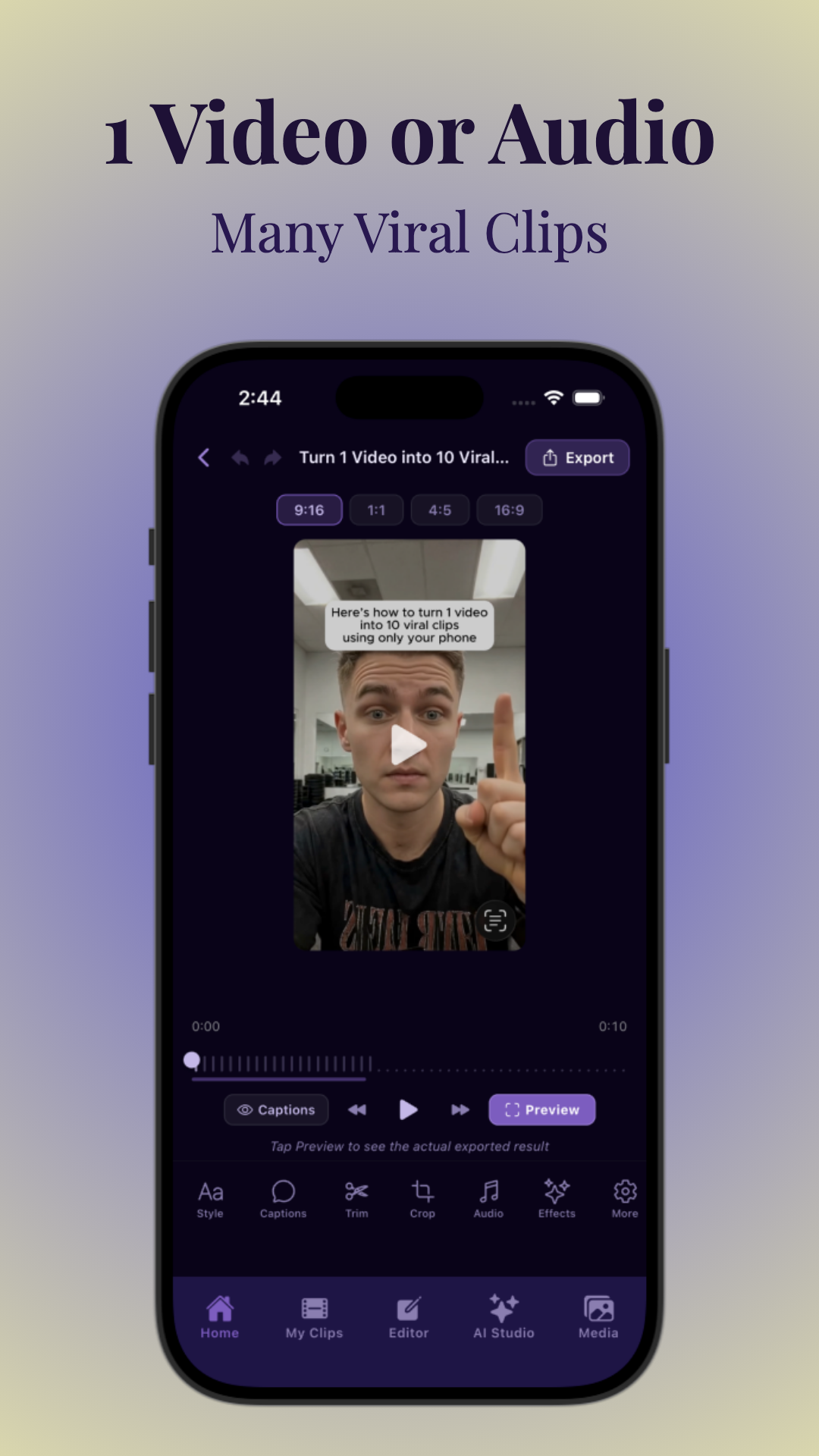
Batching your content creation is a game-changer. Dedicate time weekly to extract and edit multiple short clips from your long-form videos or podcasts. Tools like Vidulk simplify this by using AI to detect the best moments and automatically generate captioned, vertical clips ready for posting.
Repurpose one video into many clips tailored for each platform’s best times and audience preferences. This approach not only saves time but also maximizes your content’s reach and viral potential.
- Set aside dedicated batching sessions weekly
- Use AI clipping apps like Vidulk for fast, quality clip generation
- Customize clips for TikTok, YouTube Shorts, and Instagram Reels schedules
- Repurpose content with varied hooks and captions for wider appeal
11. How to Go Viral With Clips: Timing Meets Content Strategy
Timing your posts is essential, but viral success also depends on compelling content and hooks. Use analytics and AI-generated hook ideas to craft clips that grab attention within the first few seconds.
Combine viral hooks, trending sounds, and the best posting windows to amplify your clip’s reach. Consistent posting using a workflow that leverages AI for editing and captioning ensures you don’t miss your audience’s peak attention times.
- Open with a strong hook to capture viewers immediately
- Incorporate trending audio or visual elements
- Post during identified peak windows for your platform
- Use Vidulk’s Free Hook Generator to improve engagement: Vidulk Hook Generator
Conclusion
Understanding the best times to post short clips for growth is a vital piece of the content creation puzzle. By aligning your posts with platform-specific peak hours, leveraging audience analytics, and maintaining consistent frequency through batching and repurposing workflows, you set yourself up for viral success.
Apps like Vidulk streamline the entire process—from clipping long videos into multiple engaging shorts to scheduling posts for maximum impact. Start experimenting with your posting schedule today and watch your short clips grow in reach and engagement.
FAQ
Q: What is the best time to post short videos for maximum views?
A: Generally, posting during mid-morning (6 AM–10 AM), lunchtime (11 AM–2 PM), and evening hours (7 PM–10 PM) in your audience’s time zone yields the highest views. Fridays and weekday evenings often perform best.
Q: Is there a best time to post YouTube Shorts specifically?
A: Yes, YouTube Shorts tend to perform best around lunchtime (12 PM–2 PM) and early evening (7 PM–9 PM). Scheduling posts just before these windows can boost initial engagement and visibility.
Q: Do short clips perform better in the morning, afternoon, or evening?
A: It depends on content type and platform, but evenings usually see the highest engagement. Educational clips may do well midday, while entertainment clips thrive in the evening.
Q: Should I post according to my time zone or my audience’s time zone?
A: Always post based on your audience’s time zone to maximize reach and engagement. Use platform analytics to identify where your viewers are and schedule accordingly.
Q: How often should I post short clips for growth?
A: Aim for at least 3-5 clips per week. Consistency and frequency combined with optimal timing help algorithms favor your content.
Q: Does the best posting time change by platform or niche?
A: Yes, each platform and niche has unique peak engagement times. Use platform analytics and audience data to tailor your posting schedule accordingly.