
10 Proven Ways to Increase Content Output for Small Teams
Discover 10 effective ways to increase content output for small teams, from batching to repurposing and AI tools like Vidulk for viral clips.


Estimated reading time: 12 min
Key Takeaways
- Content batching reduces context switching and boosts focus for higher output.
- Repurposing one video into multiple clips maximizes reach across platforms.
- AI-assisted tools like Vidulk accelerate clip creation and editing.
- Consistent posting and editorial calendars maintain audience engagement.
- Streamlined workflows and automation save time and prevent bottlenecks.
Small marketing and content teams often face the challenge of producing more high-quality content without expanding their headcount or burning out. Fortunately, there are proven strategies to increase content output efficiently while maintaining quality. This guide covers 10 ways to boost your content creation workflow, from content batching to repurposing videos into viral clips and using AI-powered apps like Vidulk. Whether you're looking to post more consistently, grow on TikTok, or create a repeatable system, these actionable tips will help your small team scale smarter, not harder.
1. Content Batching to Reduce Context Switching
Content batching means grouping similar tasks together and completing them in focused blocks of time. For example, instead of creating one video clip then immediately switching to writing a blog post, dedicate a session solely to video editing or scripting multiple posts at once.
This approach minimizes the cognitive load and interruptions caused by switching between different types of work. It leads to higher productivity and better quality since your brain stays in the same mode.
- Set aside 1-2 hours daily or weekly just for video clipping or editing.
- Batch record multiple podcast episodes or webinars in one day.
- Plan and script several social media posts in one go.
2. Repurpose One Video Into Many Pieces of Content
A single long video, like a podcast or interview, is a goldmine for repurposing into short clips, audiograms, quotes, and blog posts. This multiplies your content output without needing extra raw materials.
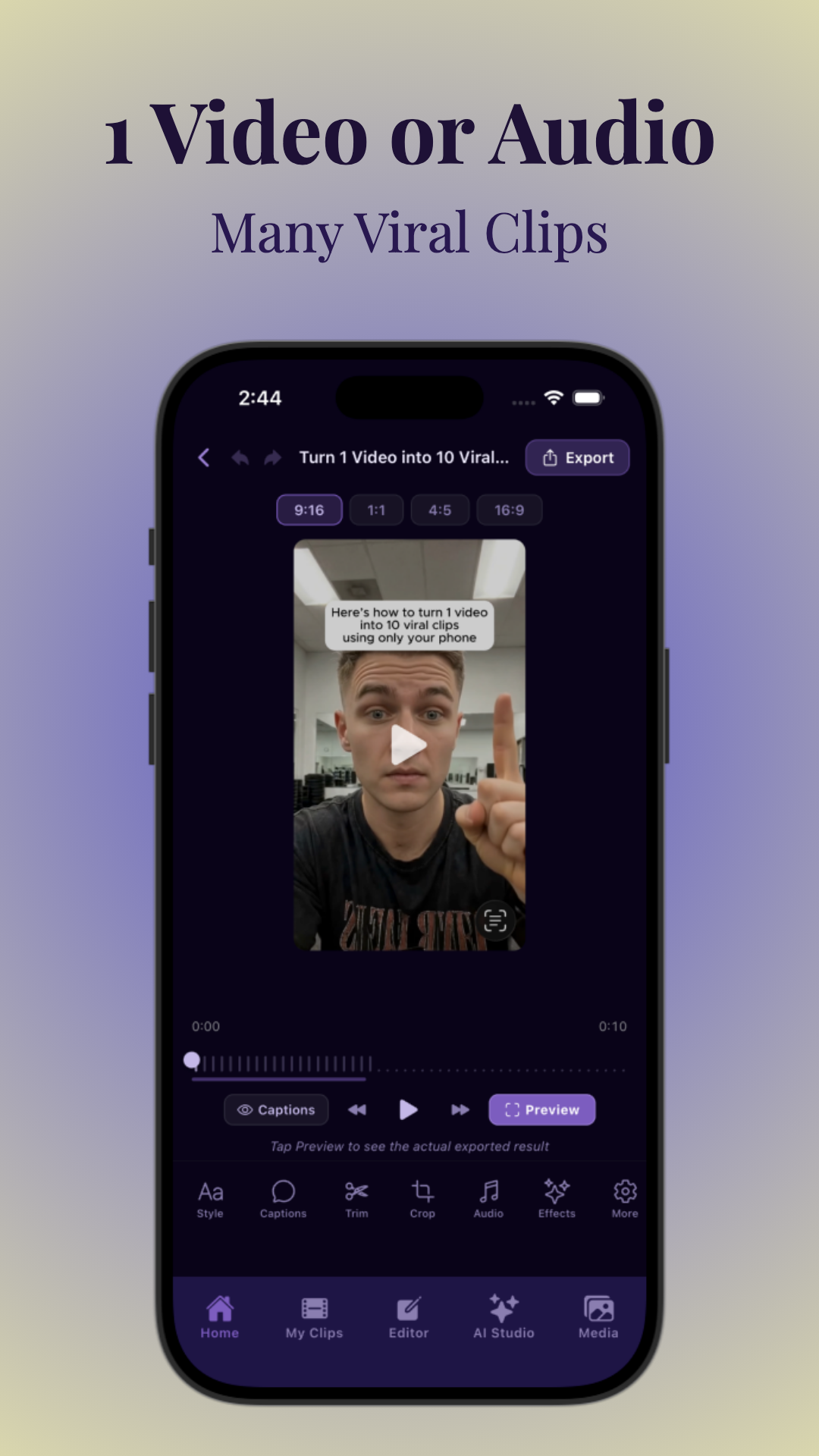
Use tools like Vidulk to automatically detect the best moments and create vertical, captioned clips ideal for TikTok, Instagram Reels, and YouTube Shorts. You can also extract key quotes for social posts or newsletters.
- Break down a 60-minute video into 10-15 short clips around 30-60 seconds each.
- Create quote graphics or carousel posts from memorable soundbites.
- Turn transcripts into blog articles or newsletters.
3. Use AI-Assisted Drafting, Ideation, and Editing
AI-powered apps like Vidulk streamline the editing and clip generation process by automating tedious tasks. Vidulk’s AI detects viral-worthy moments, adds captions, and formats clips in vertical layouts optimized for social sharing.
While AI speeds up production, keep humans in the loop for creative judgment and final edits to maintain authenticity and quality.
- Leverage Vidulk’s AI Studio to generate and enhance images for thumbnails or social posts.
- Use AI for initial draft captions and then customize tone and style.
- Experiment with AI-generated hooks from Vidulk’s Free Hook Generator to boost engagement.
4. Create Repeatable Workflows and Templates
Standardize your content creation by developing workflows and templates for recurring tasks. This reduces decision fatigue, speeds up production, and helps onboard new team members quickly.
For example, have a checklist for video clipping sessions, a template for caption styles, and a content approval process mapped out clearly.
- Use Vidulk’s customizable caption templates to maintain brand consistency.
- Document steps for uploading raw content, selecting clips, editing, and publishing.
- Assign roles and deadlines to ensure smooth collaboration.
5. Plan Editorial Calendars and Publishing Cadences
Consistency is key to growing your audience. Use an editorial calendar to schedule content themes, publishing dates, and promotion plans. Fixed cadences (e.g., posting 3 clips per week) keep your team aligned and your audience engaged.
Tools like Trello, Asana, or even spreadsheets can track progress and deadlines.
- Map out weekly or monthly themes for content pillars or topic clusters.
- Plan repurposed clips to fill social media slots automatically.
- Review calendar weekly to adjust based on performance data.
6. Streamline Approvals and Feedback Loops
Bottlenecks in approvals or unclear feedback can slow down content output. Define a clear review process with set timelines and responsible parties to keep content moving swiftly.
Use collaborative platforms with comment features to collect feedback efficiently.
- Set a maximum 24-48 hour turnaround for edits and approvals.
- Limit reviewers to avoid conflicting feedback and delays.
- Use version control to track changes and avoid confusion.
7. Focus on Content Pillars and Topic Clusters
Rather than spreading thin across many unrelated topics, concentrate on a few high-value content pillars that resonate with your audience. Build topic clusters around these pillars to improve SEO and authority.
This approach helps prioritize content ideas and ensures each piece supports your strategic goals.
- Identify 3-5 core content pillars aligned with your brand.
- Generate multiple clips and posts around each pillar to maintain audience interest.
- Use Vidulk to automate clip creation focusing on pillar themes.
8. Conduct Content Audits to Refresh and Repurpose
Review your existing content regularly to identify underperforming pieces to prune, consolidate duplicates, and refresh evergreen assets. Audits help uncover opportunities to repurpose older videos into new clips or update them with fresh context.
This maximizes ROI on past efforts and keeps content relevant.
- Analyze performance metrics like views, engagement, and conversions.
- Update captions and visuals in clips using Vidulk’s editing tools.
- Consolidate similar clips or merge blog posts to reduce content clutter.
9. Automate Publishing and Distribution
Leverage workflow automation tools to schedule and publish content across platforms without manual intervention. This reduces repetitive tasks and ensures your content goes live at optimal times for audience engagement.
Combine Vidulk’s clip generation with social media schedulers like Buffer or Later.
- Set up automated posting sequences for TikTok, Instagram, and YouTube Shorts.
- Use triggers to notify team members when content is published.
- Integrate analytics tools to track performance in one dashboard.
10. Measure KPIs, Cycle Time, and ROI
Track key performance indicators such as content output volume, cycle time per piece, engagement metrics, and ROI to continuously optimize your workflow.
Use these insights to identify bottlenecks, improve processes, and justify resource allocation.
- Monitor how many clips or posts are produced weekly versus planned.
- Calculate average time from raw content to published clip.
- Analyze which content pillars yield the highest audience growth or conversions.
Conclusion
Increasing content output for small teams is achievable by combining smart strategies like content batching, repurposing, AI assistance, and streamlined workflows. Tools like Vidulk empower teams to convert long videos into viral clips effortlessly, helping you post more consistently and grow your presence on platforms like TikTok. By focusing on repeatable systems, clear approval processes, and data-driven improvements, small teams can scale their content creation without sacrificing quality.
For a deeper dive into how to make AI video clips and transform your content with cutting-edge tools, check out this step-by-step guide and explore Vidulk’s features that simplify every stage of content production.
FAQ
Q: How can a small marketing team produce more content without hiring more people?
A: Small teams can increase output by batching tasks, repurposing existing content into multiple formats, using AI-assisted tools like Vidulk for faster video clipping, and creating repeatable workflows and editorial calendars to streamline production.
Q: What is content batching and how does it increase output?
A: Content batching involves grouping similar content creation tasks into focused time blocks, reducing context switching and increasing productivity. This helps teams produce more content efficiently without sacrificing quality.
Q: How do you repurpose one blog post into multiple pieces of content?
A: You can turn a blog post into various formats such as short video clips, social media quotes, infographics, and podcasts. Tools like Vidulk help repurpose videos into viral clips, which can complement blog content across channels.
Q: What tools help small teams scale content production faster?
A: AI-powered apps like Vidulk automate video clipping and captioning. Combined with social schedulers (Buffer, Later), project management tools (Trello, Asana), and AI writing assistants, small teams can accelerate production and maintain consistency.
Q: How do you avoid quality loss when increasing content volume?
A: Maintain human oversight for creative judgment, use standardized templates, keep clear approval processes, and batch similar tasks. Use AI tools to assist but not fully replace human editing to ensure quality remains high.
Q: What content workflow is best for a small team with limited resources?
A: A workflow that combines content batching, repurposing long-form videos using AI tools like Vidulk, clear editorial calendars, and streamlined approvals works best. Automate publishing where possible and focus on a few high-value content pillars.