How to Avoid Burnout When Posting Daily Videos
Learn how to avoid burnout when posting daily videos with batching, repurposing, and smart workflows for consistent, viral content creation.

Estimated reading time: 12 min
Key Takeaways
- Batch filming and editing streamline content creation and reduce daily stress.
- Building a content backlog helps maintain a consistent posting schedule without burnout.
- Repurposing long videos into multiple clips boosts reach and reduces workload.
- Using scheduling and reusable systems simplifies your content workflow.
- Prioritizing quality over quantity protects mental health and sustains growth.
Posting daily videos can feel overwhelming and lead to creator burnout if not managed properly. This comprehensive guide on how to avoid burnout when posting daily videos covers practical strategies such as content batching, creating viral clips through repurposing, and optimizing your content creation workflow for consistency and growth. Whether you’re a podcaster, YouTuber, or TikTok creator, these steps will help you post more consistently while maintaining your creative energy.
Step 1: Understand Why Daily Posting Can Cause Burnout
Daily content creation demands relentless energy, creativity, and time. Constantly filming, editing, and posting new videos can quickly overwhelm even the most passionate creators. Burnout occurs when the workload outpaces your capacity to rest and recharge, leading to reduced motivation, creativity, and mental health challenges.
Recognizing the signs of burnout early—such as fatigue, stress, and declining content quality—is crucial. Instead of forcing daily uploads, adopting smarter workflows and sustainable posting schedules can help you maintain consistency without sacrificing well-being.
Step 2: Batch Film and Batch Edit to Reduce Daily Production Load
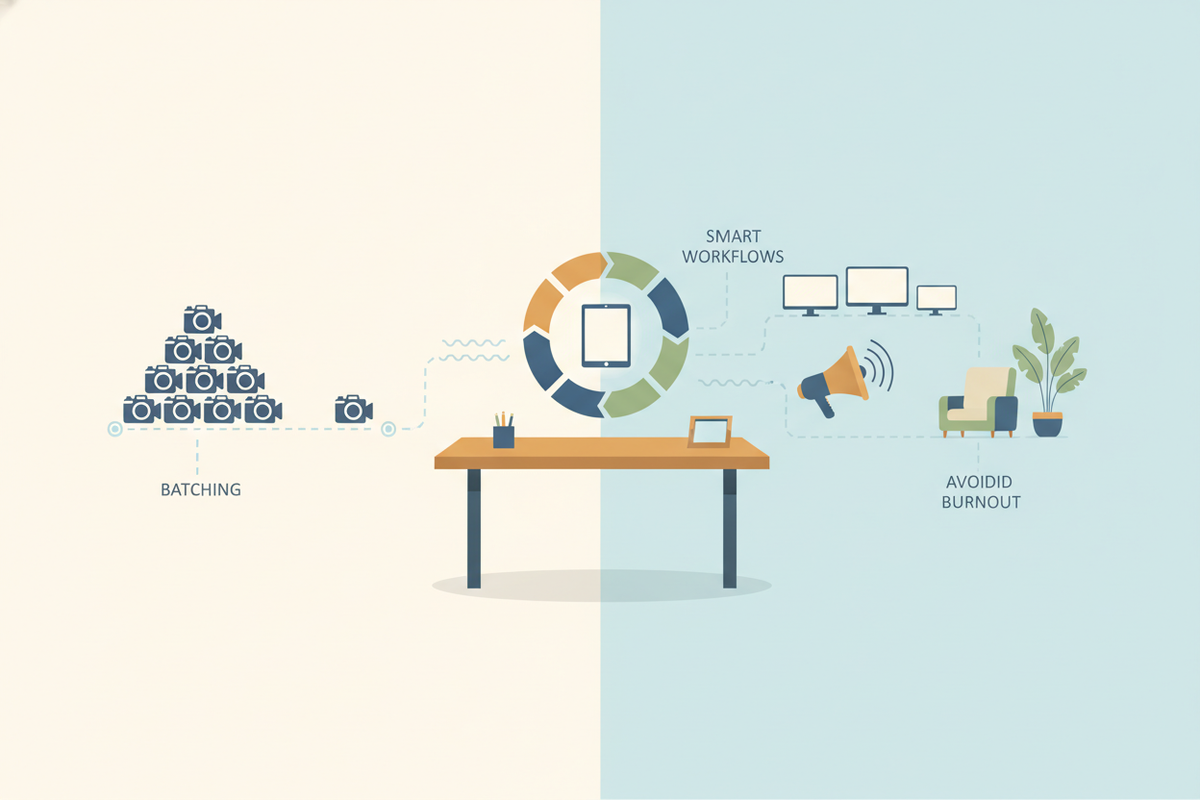
One of the most effective ways to avoid burnout is adopting content batching. This means dedicating specific days to filming multiple videos and separate days for editing them all at once. Batching reduces the mental load of switching between different tasks daily and saves time spent on setup and context switching.
- Plan your content topics in advance: Outline a list of video ideas aligned with your niche or audience interests.
- Schedule batch filming sessions: Record several videos in one go when you’re in the creative zone.
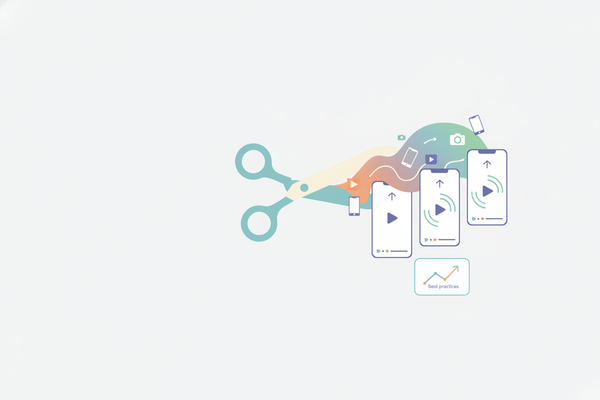
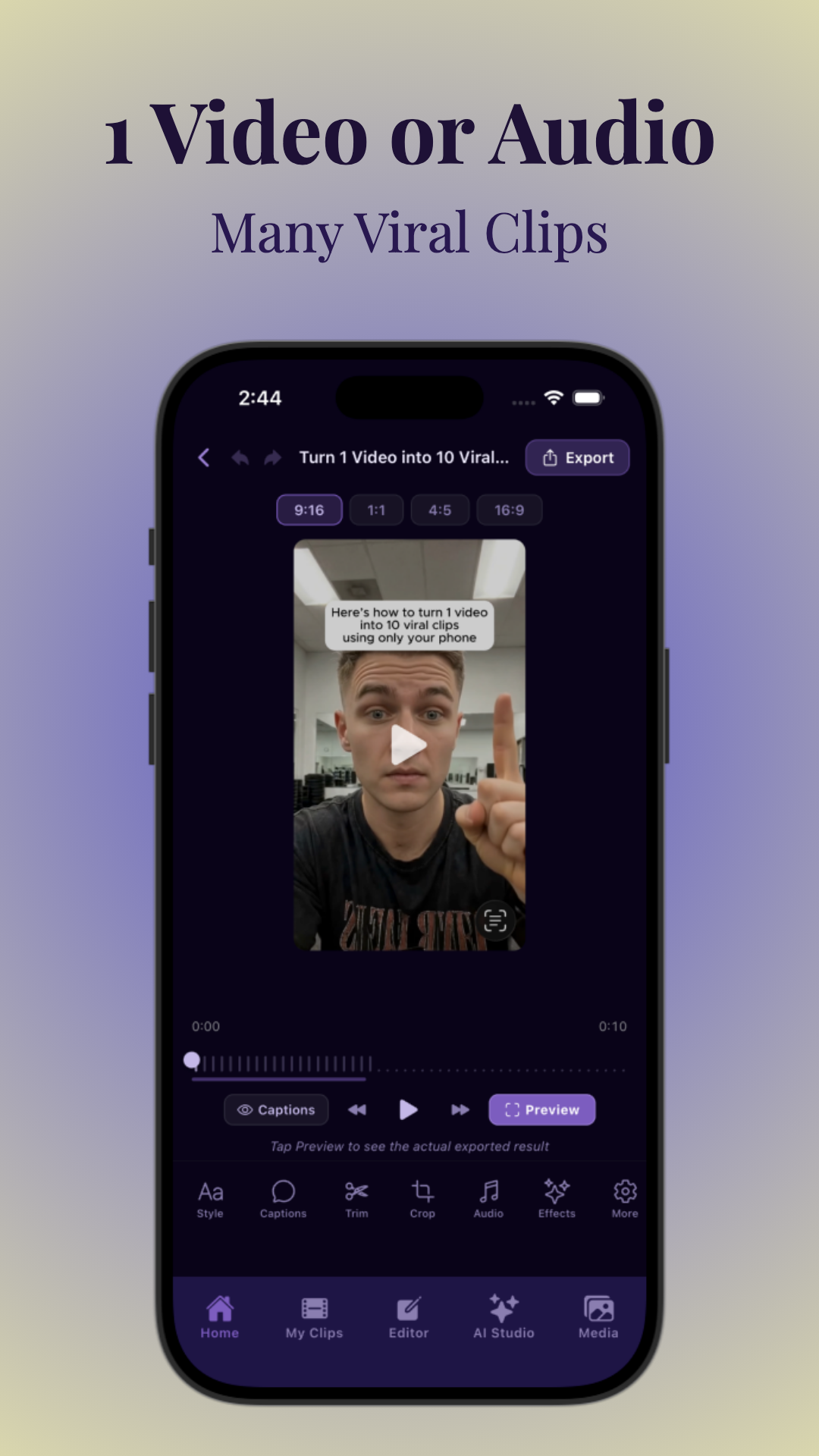
- Batch edit with AI tools: Use apps like Vidulk to automatically clip and caption your videos, speeding up the editing process and generating viral-ready clips.
Batch editing with AI not only reduces manual work but also helps create polished, engaging clips optimized for platforms like TikTok and Instagram.
Step 3: Build a Content Backlog or Buffer of Ready-to-Publish Videos
Creating a content backlog means having a reserve of completed videos ready to post whenever needed. This buffer allows you to maintain a regular posting schedule, even during busy or low-energy periods.
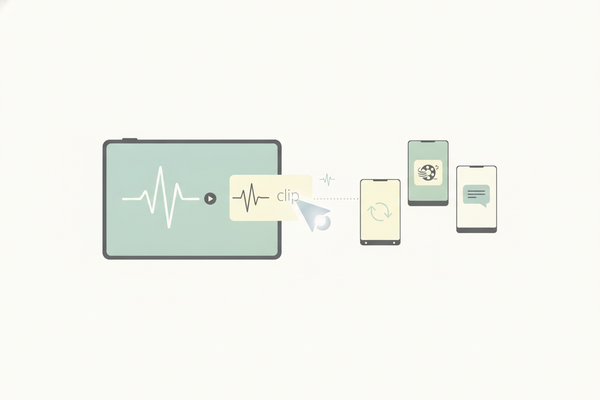
- Upload and process videos ahead of time: Use Vidulk’s AI video clip generator to turn long-form content into multiple short clips that can be scheduled.
- Organize clips by theme or platform: This makes it easier to select which videos to post based on current trends or audience engagement.
- Keep your backlog updated: Regularly add new content to avoid running out of material.
Having a backlog reduces the pressure to create daily on the fly and helps ensure your content remains consistent and relevant.
Step 4: Reduce Posting Frequency to a Sustainable Schedule
Posting every single day is not mandatory for growth and can lead to exhaustion. Instead, opt for a posting frequency that balances consistency with your capacity.
- Analyze your audience data: Find the optimal days and times when your videos get the most engagement.
- Set realistic posting goals: For example, 3-4 high-quality videos per week instead of daily uploads.
- Focus on quality over quantity: Well-crafted content often outperforms frequent, rushed videos.
Reducing your posting frequency while maintaining quality helps prevent burnout and builds a loyal audience over time.
Step 5: Simplify Video Production by Cutting Editing Time and Steps
Complex editing workflows can drain your time and energy. Simplifying these steps helps maintain momentum and reduces the risk of burnout.
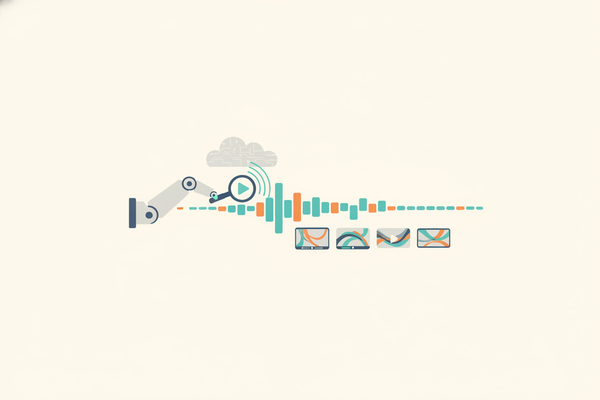
- Leverage AI-powered clipping: Vidulk’s AI automatically detects engaging moments and creates captioned vertical clips optimized for social sharing.
- Limit excessive polish: Focus on clear messaging and authenticity rather than perfect edits.
- Use templates and presets: Save time by reusing visual styles, captions, and intro/outro sequences.
This lean approach lets you produce more content efficiently without sacrificing viewer engagement.
Step 6: Use Scheduling, Planning, and Reusable Systems to Streamline Workflow
Organizing your content creation workflow is key to sustainable consistency. Systems help automate repetitive tasks and keep you on track.
- Plan your content calendar: Use tools or spreadsheets to schedule filming, editing, and posting.
- Automate posting: Use social media schedulers to queue your backlog of videos ahead of time.
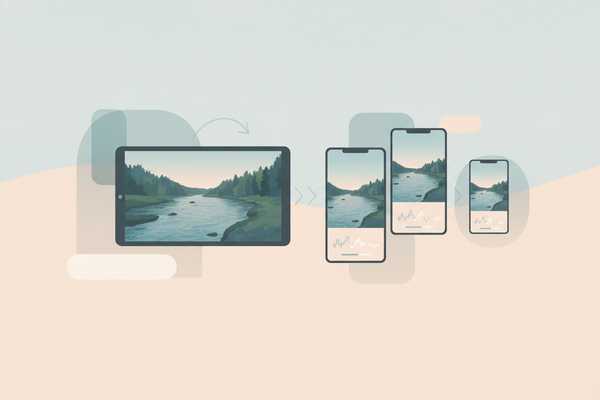
- Repurpose content across platforms: Convert one long video into TikTok clips, Instagram Reels, YouTube Shorts, and more to maximize reach with minimal extra effort.
These systems reduce the day-to-day stress of content production and allow you to focus on creating impactful videos.
Step 7: Focus on What Makes Clips Go Viral and Grow on TikTok
Creating viral clips is not about luck—it’s about understanding what hooks viewers quickly and keeps them engaged.
- Start with a strong hook: Grab attention within the first 2-3 seconds.
- Keep clips short and engaging: Aim for 15-30 seconds.
- Use captions and vertical format: Make videos accessible and mobile-friendly. Vidulk automatically adds captions and formats clips perfectly.
- Encourage interaction: Ask questions or include calls to action to boost engagement.
Mastering these techniques helps your clips perform better on TikTok and other platforms, accelerating your growth.
Step 8: Take Planned Breaks and Prioritize Mental Health
No content creation strategy is complete without prioritizing your mental health. Taking breaks and setting boundaries prevents burnout and keeps you creative long-term.
- Schedule regular rest days: Use your content backlog to pause uploads when needed.
- Set work hours: Avoid working nights or weekends unless it’s part of your plan.
- Stay connected with your audience honestly: Share your journey, including breaks, to foster a supportive community.
Remember, consistent growth is sustainable only when you protect your well-being.
Tips & Common Mistakes
Tips:
- Use AI tools like Vidulk to speed up clipping and editing, freeing time for creativity.
- Create evergreen content that can be repurposed multiple times across platforms.
- Track performance analytics to refine your posting schedule and content style.
Common Mistakes:
- Trying to post daily without a system, leading to burnout and inconsistent quality.
- Over-editing clips, which wastes time and delays posting.
- Ignoring audience feedback and engagement patterns.
Conclusion
How to avoid burnout when posting daily videos boils down to smart planning and workflow optimization. By batching your filming and editing, building a content buffer, simplifying production, and using AI-powered tools like Vidulk, you can post consistently without sacrificing your mental health. Focus on creating viral clips with strong hooks and repurposing long videos to maximize reach with less effort. Most importantly, set sustainable posting frequencies and take regular breaks to maintain creativity and energy for the long haul.
Ready to transform your content creation workflow? Explore Vidulk’s AI video clipping app today to start turning your long videos into viral-ready clips effortlessly.
FAQ
How do you avoid burnout when posting daily videos?
Avoid burnout by batching filming and editing, building a content backlog, reducing posting frequency to a sustainable level, simplifying production with AI tools like Vidulk, and taking planned breaks to recharge.
Is it okay to stop posting every day on YouTube?
Yes, it’s perfectly fine to reduce posting frequency. Quality and consistency matter more than daily uploads. Finding a sustainable schedule helps prevent burnout and keeps your audience engaged.
How often should I post videos to avoid burnout?
Posting 3-4 times per week is often a sustainable frequency, but the best schedule depends on your capacity and audience engagement. Prioritize quality and consistency over quantity.
Does batching videos help prevent creator burnout?
Absolutely. Batching filming and editing minimizes daily workload spikes, saves time, and helps maintain consistent output without feeling overwhelmed.
How do YouTubers stay consistent without burning out?
Successful creators use batching, content backlogs, simplified editing workflows, scheduling tools, and take breaks when needed. They often repurpose content to maximize reach with less effort.
What should I do if daily uploading is affecting my mental health?
Pause or reduce your posting frequency, use your content backlog, delegate or automate tasks with AI tools like Vidulk, and prioritize self-care. Communicate openly with your audience if you take breaks.