How an AI LinkedIn Video Clip Maker Can Turbocharge Your Content Strategy
Discover how an AI LinkedIn video clip maker can enhance your content strategy by automating video creation, boosting engagement, and strengthening branding.

Estimated reading time: 8 minutes
Key Takeaways
- AI clip makers automate transcription, clipping, and formatting for LinkedIn.
- They leverage NLP, computer vision, ML, and generative AI to select and enhance your best moments.
- Benefits include significant time savings, higher engagement rates, and consistent branding.
- Key selection criteria: ease of use, LinkedIn integration, video quality, customization, pricing, and security.
- Emerging trends: real-time clipping, AI avatars, deeper analytics, and built-in governance workflows.
Table of Contents
- Introduction
- Understanding the Technology
- Benefits of AI Clip Makers
- Selecting the Right Tool
- Practical Tips & Best Practices
- Future Trends & Innovations
- Conclusion
- FAQ
Introduction
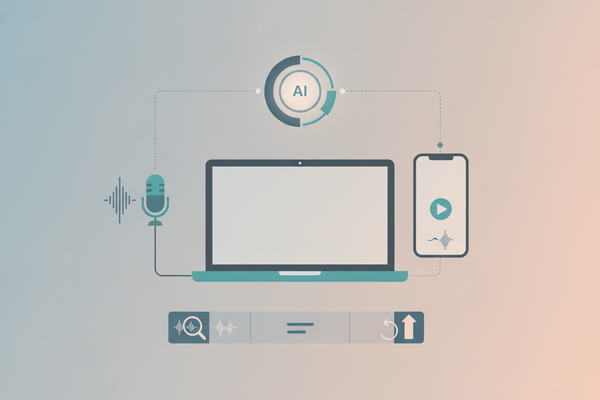
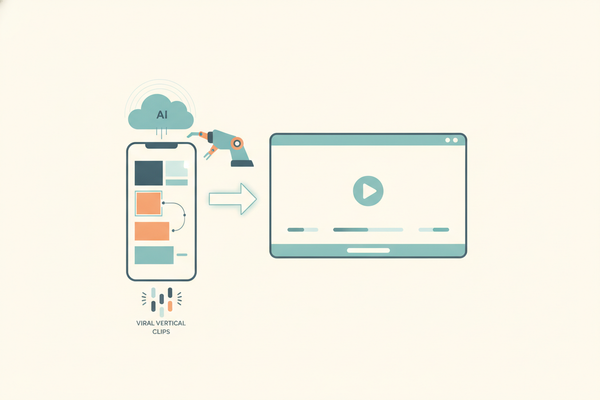
What is an AI LinkedIn video clip maker? It’s a tool that uses artificial intelligence to transcribe long-form videos (webinars, podcasts, meetings), identify standout moments, auto-generate captions, and format clips to LinkedIn’s preferred aspect ratios—without manual editing. This matters because native video on LinkedIn drives 5× more engagement than text posts. Marketers see higher reach, better recall, and stronger brand trust when they embrace video, yet traditional production demands time, budget, and editing skills many professionals lack.
According to LinkedIn’s video marketing engagement data, integrating short, native clips can be a game-changer for your content strategy.
Understanding the Technology of an AI LinkedIn Video Clip Maker
These tools combine four core AI components to turn long recordings into snackable clips:
- Natural Language Processing (NLP)
- Definition: Transcribes speech to text and analyzes transcripts to detect high-value moments.
- Role: Identifies key topics, hooks, and quotable segments.
- Use Case: A coach uploads a 60-minute webinar; NLP surfaces the ten best quotes for bite-sized tips.
- Computer Vision
- Definition: Detects faces, speaker movements, slides, and on-screen text.
- Role: Tracks scene changes, crops frames, and highlights visuals.
- Use Case: A product demo auto-crops to focus on the speaker or slide at the perfect moment.
- Machine Learning & Ranking Models
- Definition: Scores clips by predicted engagement (virality scores).
- Role: Prioritizes segments with strong intros, clear takeaways, or bold statements.
- Use Case: A marketing team tests five clips and posts the one with the highest engagement score first.
- Generative AI
- Definition: Writes video scripts, creates voiceovers, and suggests motion graphics from prompts.
- Role: Automates narration, B-roll suggestions, and simple visual elements.
- Use Case: A founder types a blog outline and gets a full video script plus voiceover in minutes.
Key features common to these platforms include:
- Automated clip extraction and editing tailored for LinkedIn’s aspect ratios
- Auto-captions & subtitles with style options for accessibility and silent autoplay
- Platform-optimized exports (1:1 square, 9:16 vertical, 16:9 landscape)
- Branding toolkits (logos, colors, fonts, templates)
- Text-based editing via a transcript interface
- AI-assisted title, hook, and CTA suggestions
For a deep dive into general AI clip makers, explore this comprehensive guide.
Benefits of Using an AI LinkedIn Video Clip Maker
These tools deliver big wins in speed, impact, and brand consistency.
Time & Cost Efficiency
- Traditional workflow: Hours of manual editing by a video editor.
- AI workflow: Minutes to auto-generate clips and captions.
- Impact: 87% of marketers use video; AI can cut production time by up to 70%.
- Example: A solo consultant went from a 4-hour edit session to a 10-minute AI-driven workflow.
Higher Engagement Through Personalization
- Repurpose one webinar into persona-specific snippets.
- Conduct A/B tests with multiple hooks and formats.
- Optimal length: 30–90 seconds to maintain viewer attention.
Enhanced Professional Branding
- Consistent visual identity: logos, colors, caption style across all clips.
- Human touch: showcase your face and voice for trust and connection.
- Real-world cases:
- Consultants converting podcasts into weekly tip clips.
- B2B firms turning demos into snackable product teasers.
- Executives splitting keynote speeches into thought-leadership snippets.
For LinkedIn-specific live clip strategies, check out LinkedIn Live clip generator.
Vidulk Integration
Many creators rely on Vidulk - AI Video Clipping App to detect key moments and generate LinkedIn-ready clips on-device. It exemplifies how on-device AI streamlines the entire repurposing workflow.

Selecting the Right AI LinkedIn Video Clip Maker
Use these criteria to choose a tool that aligns with your needs:
- Ease of Use: Intuitive UI with drag-and-drop, text-based editing, and clear templates.
- LinkedIn Integration: Direct scheduling or publishing; presets for captions, titles, and thumbnails.
- Video Quality & Export Options: 1080p resolution, crisp captions, and reliable exports; multiple aspect ratios.
- Customization & Branding: Brand kits, intro/outro templates, and flexible overlays.
- AI Capabilities: Clip selection accuracy, transcription quality, voiceovers, and analytics.
- Pricing & Scalability: Free vs. paid tiers, watermark policies, seat counts, export limits, and collaboration.
- Data Security & Privacy: Storage duration, deletion controls, and compliance (GDPR, HIPAA).
Practical Tips & Best Practices
Follow these steps to produce compelling clips quickly:
- Record high-quality source content: clear audio, simple background, structured segments.
- Upload video or script; select LinkedIn presets.
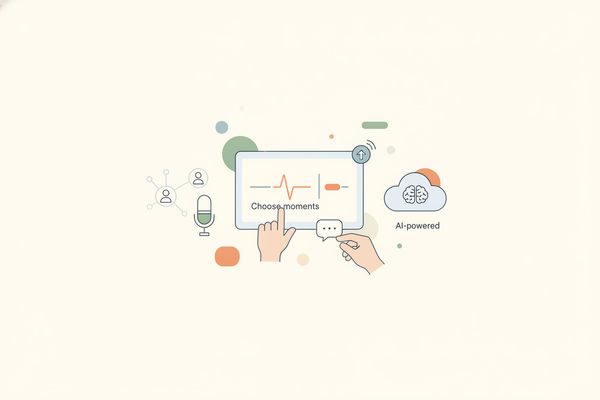
- Review AI-generated clips; pick ones focused on single topics.
- Edit via transcript: remove filler, tighten hooks, ensure clear endings.
- Apply branding: logo placement, brand colors, caption style.
- Write post metadata: engaging hook, context, one CTA, and 3–5 relevant hashtags.
- Publish at peak times; monitor views, watch time, and engagement metrics.
Future Trends & Innovations
AI video tools continue to evolve with:
- Personalized clip recommendations by audience segment.
- Deeper LinkedIn integration with real-time analytics feedback.
- AI avatars and virtual presenters for on-camera-free content.
- Instant clipping during LinkedIn Live sessions for post-event follow-ups.
- Built-in approval workflows and policy-compliance checks.
Conclusion
An AI LinkedIn video clip maker streamlines video creation, boosts engagement, and reinforces your brand. Its core advantages include:
- Efficiency: Cut production time by up to 70%.
- Consistency: Maintain polished visuals and sound.
- Impact: Deliver targeted, high-engagement content.
Ready to elevate your LinkedIn strategy? Trial an AI video tool today, establish a simple clip workflow, and iterate based on performance. Your next high-impact LinkedIn post is just a few AI-powered clicks away.
FAQ
What types of source content work best?
Clear, well-structured recordings—such as webinars, podcasts, or presentations—yield the best AI-generated clips. Ensure good audio quality and distinct topic segments.
Can I customize the captions and branding?
Yes. Most platforms offer style options for captions, flexible branding kits with logos, color palettes, and font controls to keep every clip on-brand.
How accurate is the AI in choosing the best moments?
Accuracy depends on the provider’s models. Leading tools use advanced NLP and ranking algorithms, often achieving 80–90% precision in surfacing high-impact segments.
Is direct LinkedIn publishing available?
Many solutions offer built-in LinkedIn scheduling or API integration to publish clips directly without manual uploads, saving you extra steps.
What are the privacy and security considerations?
Check each vendor’s data policies. Look for GDPR or HIPAA compliance, secure storage, deletion controls, and clear terms on content ownership.