How AI Video Caption Translation is Revolutionizing Global Multimedia Content
Discover how AI video caption translation is transforming multimedia localization with fast, accurate, and scalable solutions for global audiences.

Estimated reading time: 4 minutes
Key Takeaways
- Speed and Scale: AI-powered workflows generate captions in seconds, not weeks.
- Advanced Algorithms: Neural ASR and transformer models ensure high accuracy.
- Multilingual Support: Instant subtitles in 100+ languages expand your reach.
- Cost Efficiency: Automated tools reduce translation and production expenses.
- Accessibility: Improved inclusion for hearing-impaired and global audiences.
Table of Contents
- Understanding AI Video Caption Translation
- Exploring the Technology Behind AI Video Caption Translation
- Automatic Subtitle Translation Tool: An In-Depth Look
- Multilingual AI Subtitle Generator Explained
- Comparative Analysis and Benefits of AI Video Caption Translation
- Practical Applications and Future Trends
- Conclusion
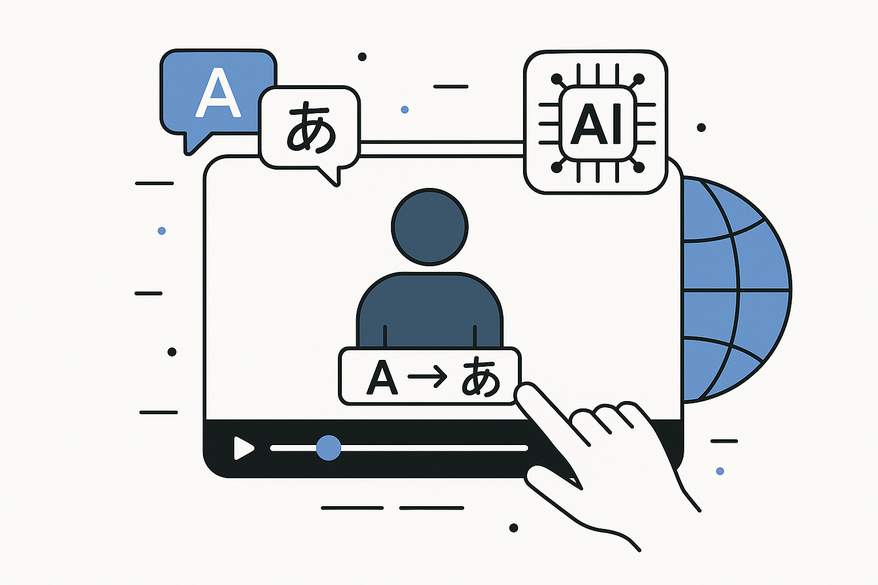
AI video caption translation uses artificial intelligence to convert spoken audio into text subtitles in multiple languages. This innovation breaks language barriers and expands content reach. Early use of an automatic subtitle translation tool saves time and cost, while a multilingual AI subtitle generator delivers captions in dozens of tongues at once.
Today, creators can serve hearing-impaired audiences and global viewers with little manual work. This boosts accessibility and engagement across platforms. From corporate webinars to YouTube channels, AI video caption translation drives localization without long delays or large budgets.
Tools like Vidulk - AI Video Clipping App now offer on-device AI solutions that automatically generate multilingual captions and highlight key moments in long videos. This integration lets creators focus on storytelling rather than manual edits.
1. Understanding AI Video Caption Translation
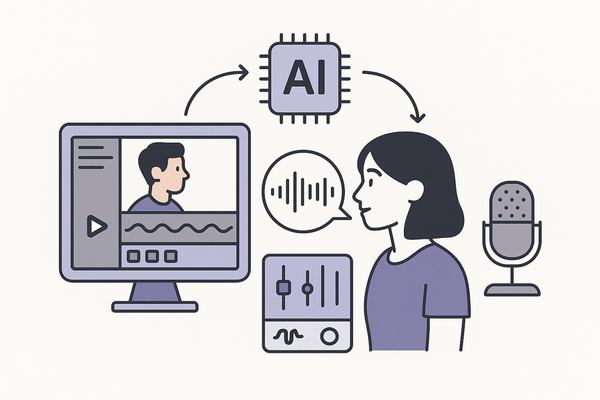
The AI pipeline first transforms speech into text via neural ASR (automatic speech recognition), then translates that text using transformer-based NLP models. Key applications include:
- Accessibility for deaf and hard-of-hearing viewers
- Content localization for global markets
- Higher engagement via multilingual subtitles
Benefit: Faster turnaround and wider reach than manual methods.
2. Exploring the Technology Behind AI Video Caption Translation
Core algorithms powering this innovation include:
- Deep learning ASR: CNNs and RNNs convert audio waves into text.
- Transformer LLMs: Models like BERT or GPT deliver context-aware translation.
Syncing text to video relies on forced alignment (SRT/VTT), while voice cloning uses TTS to preserve a speaker’s tone for dubbed audio.
3. Automatic Subtitle Translation Tool: An In-Depth Look
- Video upload and audio extraction
- AI ASR transcription
- Machine translation into target languages
- Subtitle file generation (.srt, .vtt) with timestamps
- Optional AI-driven dubbing
Unlike manual captioning—where human transcribers and editor reviews cause long lead times—AI tools process minutes of video in seconds.
Typical creator workflow:
- Step 1: Upload video
- Step 2: AI transcribes speech to text
- Step 3: NLP engine translates text
- Step 4: Auto-sync timecodes
- Step 5: Export subtitles and review in a UI
4. Multilingual AI Subtitle Generator Explained
A multilingual AI subtitle generator delivers subtitles in 100+ languages simultaneously, building on the ASR+NLP backbone. Optional AI voice cloning adds dubbed tracks.
- Instant multi-language subtitles and dubbed audio
- Scalability for vast video libraries (e.g., corporate training)
- Natural voice preservation via TTS clones
Challenges & Solutions:
- Cultural nuances may mistranslate → Use fine-tuned LLMs and human-in-the-loop checks
- Tone and intent can shift → Employ domain-adapted AI agents for context
5. Comparative Analysis and Benefits of AI Video Caption Translation
| Aspect | Traditional | AI-Driven |
|---|---|---|
| Speed | Days to weeks | Seconds per video minute |
| Cost | High (translator fees, studios) | Low (credit-based pricing) |
| Scalability | Small batches only | Hundreds of languages at scale |
| Accuracy | Human error, single language | Neural networks, context-aware |
6. Practical Applications and Future Trends
Industry Applications:
- Education: MOOCs and webinars with global subtitles
- Marketing: Multilingual ad campaigns boosting ROI
- Entertainment: Streaming platforms offering dubbed and subbed content
Future Advancements:
- Real-time live translation with near-zero latency
- Enhanced lip-sync via AI viseme prediction
- Expanded dialect and niche language support
Ethical Considerations:
- Voice cloning consent and data privacy safeguards
- Bias mitigation in AI models
- Cultural sensitivity checks and human oversight
Conclusion
AI video caption translation, automatic subtitle translation tools, and multilingual AI subtitle generators are transforming multimedia localization. They deliver fast, accurate, and scalable solutions for global audiences.
Try free tiers on Descript, Canva, or VEED to experience seamless captioning and dubbing. Expand your reach, boost engagement, and ensure accessibility today.
For more on AI-driven workflows, see How AI Video Clipping Works and Add Captions to Video Clips.
FAQ
- What is AI video caption translation?
It’s a two-step AI pipeline that converts speech to text (ASR) and then translates that text into other languages using NLP. - How accurate are AI-generated subtitles?
Modern neural models achieve high accuracy, especially when fine-tuned, but human review is recommended for critical content. - Can AI tools handle niche or low-resource languages?
Support is growing via transfer learning and community-driven datasets, though some languages may require human-in-the-loop checks.