How to Generate Video Tags With AI: A Complete Guide to Smarter Video SEO
Learn how to generate video tags with AI to boost your video SEO, save time, and improve discoverability. A step-by-step guide on benefits, workflow, and best practices.


Estimated reading time: 8 minutes
Key Takeaways
- AI-driven tagging transforms a manual, time-consuming task into a fast, scalable process.
- Machine learning, computer vision, ASR, and NLP work together to deliver context-aware, trend-aligned tags.
- Consistency and depth improve discoverability and engagement across platforms.
- Human review is essential to refine suggestions, align with search intent, and maintain brand voice.
- Future trends include moment-level tagging, multimodal understanding, and deeper editor integration.
Table of Contents
- Introduction to AI Video Tagging
- Section 1: What Are Video Tags?
- Section 2: The Role of AI in Generating Video Tags
- Section 3: Benefits of Using AI for Video Tag Generation
- Section 4: How AI Tools Work for Video Tag Generation
- Section 5: Best Practices & Tips
- Section 6: Future Trends & Developments
- FAQ
When you generate video tags with AI, you leverage machine learning systems to automatically propose relevant keywords and phrases for your content.
In this guide you will learn:
- What video tags are and why they matter for SEO and engagement.
- How AI tools generate video tags through advanced ML models.
- The benefits of AI-driven tag generation: speed, consistency, and richer metadata.
- A detailed workflow for using AI tools step by step.
- Best practices and tips for human review and SEO alignment.
- Future trends in video tagging technology.
Using tools that generate video tags with AI is becoming one of the fastest ways to improve video SEO, reach more viewers, and streamline your content workflow. AI tagging can cut tagging time from hours to seconds, while boosting accuracy and depth. Whether you’re a solo creator or part of an enterprise team, this guide offers actionable insights and expert tips to help you make the most of AI-powered metadata.
Section 1: What Are Video Tags?
Video tags are descriptive keywords or key phrases that help platforms understand your video’s content. They guide search engines and recommendation algorithms to surface your videos to the right audience.
Roles of Video Tags
- Indicate Topics and Context
• Show what your video covers (e.g., “beginner guitar lesson,” “travel vlog Tokyo”). - Support Video SEO
• Align with search queries to improve ranking. - Improve Discoverability
• Help your video appear in related videos and search results.
Importance of Well-Optimized Tags
Good tags connect your video with viewers looking for that exact topic. Poor or missing tags can leave your content buried, even if it’s high quality. By optimizing tags, you boost:
- Visibility in search and “related” feeds.
- Engagement rates like click-through and watch time.
Section 2: The Role of AI in Generating Video Tags
AI video tagging uses algorithms to analyze video frames, audio tracks, and text to assign relevant tags automatically. This replaces manual guesswork with data-driven metadata. For an in-depth look at specialized workflows, see AI video clip tag generator guide.
Core Technologies
- Machine Learning
• Learns patterns from large video datasets to spot objects and scenes. - Computer Vision
• Detects items, locations, and on-screen text in each frame. - Automatic Speech Recognition (ASR)
• Transcribes spoken words into text for keyword extraction. - Natural Language Processing (NLP)
• Interprets transcripts and descriptions to infer topics. - Recommendation & Ranking Models
• Score and prioritize tags by relevance and trending data.
manual Tagging vs. AI-Driven Tagging
- Time per Video
• Manual: hours to tag each video.
• AI: seconds to minutes. - Consistency
• Manual: varies; subject to bias.
• AI: uniform logic, fewer omissions. - Scalability
• Manual: hard for large libraries.
• AI: handles thousands with same effort. - Depth
• Manual: a few core tags.
• AI: granular tags (objects, actions, emotions). - Cost
• Manual: labor-intensive.
• AI: modest tool fee, low per-video cost.
Section 3: Benefits of Using AI for Video Tag Generation
When you generate video tags with AI, you unlock key advantages:
- Reduced Effort & Time Savings
Tag a full video in under a minute instead of hours. Enterprise users cut metadata tasks from 3–5 hours to 15–30 minutes. - Consistency & Coverage
AI applies identical criteria to every file, reducing bias. Generates rich, granular tags—objects, scenes, sentiments. - Improved Video SEO Outcomes
Trend-aligned keywords boost rankings on YouTube, Vimeo, and Instagram. Tag suggestions evolve with search and social trends for maximum reach. - Better Recommendations & Engagement
Accurate tagging helps algorithms surface your videos to the right viewers. Leads to higher click-through rates, longer watch times, and stronger retention.
Section 4: How AI Tools Work for Video Tag Generation
Most AI tag generators follow a similar six-step workflow:
- Input Video or Topic
Upload a file or paste a URL/title. Some tools also accept plain text descriptions. - Analyze Content
Computer vision examines visuals frame by frame. ASR transcribes speech; NLP interprets transcripts. - Generate Candidate Tags
Maps detected entities to keyword phrases. Suggests both broad and long-tail tags (e.g., “video optimization,” “generate video tags with AI”). - Refine & Filter
Scores tags for relevance, search volume, and trends. Removes duplicates and low-value keywords. - User Review & Edit
Review suggestions, remove off-topic items, add branded tags, and respect platform limits. - Export & Publish
Copy tags into your platform’s metadata fields or export to your CMS/DAM. Some tools integrate directly with editing software.
Practical Example
A YouTube creator uploads “How to Generate Video Tags With AI for YouTube SEO.” The AI tool:
- Reads the title and description.
- Transcribes and analyzes speech for keywords like “algorithm,” “metadata,” “SEO.”
- Suggests tags: “generate video tags with AI,” “YouTube SEO tips,” “AI tag generator.”
The creator reviews, adds a branded tag, then publishes.
Section 5: Best Practices & Tips
- Always Review AI-Generated Tags
Use AI suggestions as a starting point. Remove irrelevant or generic tags. - Align Tags with Search Intent
Choose phrasing your audience actually uses (e.g., “how to generate video tags with AI”). Mix core, long-tail, and niche tags. - Maintain Brand & Series Consistency
Include brand or channel name and series identifiers to boost related recommendations. - Don’t Over-Tag
Focus on relevance over volume. Avoid tag stuffing that dilutes your main topics. - Integrate into Broader SEO Strategy
Align tags with your title, description, thumbnail, and on-screen text. For a complete overview of clip SEO best practices, see clip SEO best practices. - Understand Limitations & Challenges
AI may mislabel niche content or miss nuance. Be mindful of privacy and compliance when tagging sensitive content.
Section 6: Future Trends & Developments
- Richer, Moment-Level Tagging
Tag individual scenes (e.g., “product demo,” “testimonial”). - Multimodal Understanding
Fuse visual, audio, and text data for more context-aware tags. - Trend-Aware Tagging
Real-time integration with search and social trends for current keywords. - Personalized Tag Strategies
Learn from your channel data to recommend tags that fit your audience. - Deeper Integration with Editors & DAM
Auto-tagging built into video editors and asset managers for instant metadata.
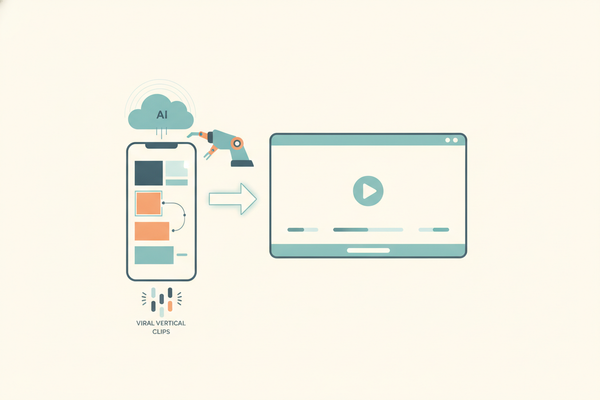
Some modern AI tools, such as Vidulk, also leverage on-device machine learning to detect key moments and suggest optimized metadata—including tags—to enhance your video discoverability. Learn more at Vidulk - AI Video Clipping App.
FAQ
What exactly are video tags and why do they matter?
Video tags are descriptive keywords that help search engines and recommendation algorithms understand your content, improving visibility and engagement.
How accurate are AI-generated tags?
AI-driven tags are highly accurate thanks to machine learning and multimodal analysis, but human review ensures nuance and brand alignment.
Can I customize AI-suggested tags?
Absolutely. Use AI suggestions as a starting point, then refine, remove off-topic tags, and add branded or niche keywords.
Which tools support AI video tag generation?
Many platforms offer AI tagging, from standalone apps to integrations within video editors and DAM systems. Vidulk is one example of an on-device solution.