
How to Generate More Video Ideas Quickly
Learn how to generate more video ideas quickly with batching, repurposing, and AI tools for consistent posting and viral clips.


Estimated reading time: 8 min
Key Takeaways
- Batching video ideas and repurposing content helps maintain a consistent posting schedule.
- Use competitor analysis, AI tools, and audience insights to generate relevant video ideas fast.
- Repurpose one video into multiple clips in different formats to grow on TikTok and other platforms.
- Tracking trends and analyzing your channel analytics uncover winning content angles.
- Building an idea vault or content calendar organizes ideas and streamlines your creation workflow.
Generating more video ideas quickly is essential for content creators aiming to post more consistently and grow their audience. Whether you’re a podcaster, YouTuber, or TikTok creator, having a steady stream of fresh ideas fuels your content creation workflow and helps you go viral with clips. This guide explains how to efficiently brainstorm and organize video ideas, batch your content, and repurpose long videos into multiple viral clips to maximize reach.
Step 1: Use Keyword Research and YouTube Autocomplete for Idea Generation
Start by leveraging YouTube’s autocomplete and search suggestions to uncover what your audience is actively searching for. Type your broad topic into YouTube’s search bar and note the autocomplete phrases that appear. These are popular queries you can address in your videos.
Also, use Google Trends and keyword research tools to find trending topics in your niche. This ensures your videos meet current demand and increases the chances of going viral.
- Enter main keywords related to your niche on YouTube and Google.
- Note down autocomplete suggestions and trending queries.
- Use these as seed ideas to create videos that answer specific audience questions.
Step 2: Analyze Competitors’ Top-Performing Videos and Channels
Competitor analysis is a quick way to generate video ideas that already have proven interest. Identify your top competitors and study their highest-performing videos. Look at titles, topics, formats, and angles they use.
For example, if a competitor’s interview clips or tutorials are getting high engagement, consider creating similar content but with your unique spin. Use Vidulk’s AI video clip generator tools to repurpose your long videos into short viral clips based on these ideas.
Step 3: Turn One Topic into Multiple Video Angles and Formats
Don’t limit yourself to a single video per topic. Instead, break down one long video or interview into multiple clips focusing on different angles.
For example, a podcast episode can become:
- Short highlight reels targeting key insights
- Q&A style clips addressing audience questions
- How-to tutorials or tips extracted from the conversation
- Behind-the-scenes or bloopers for a casual touch
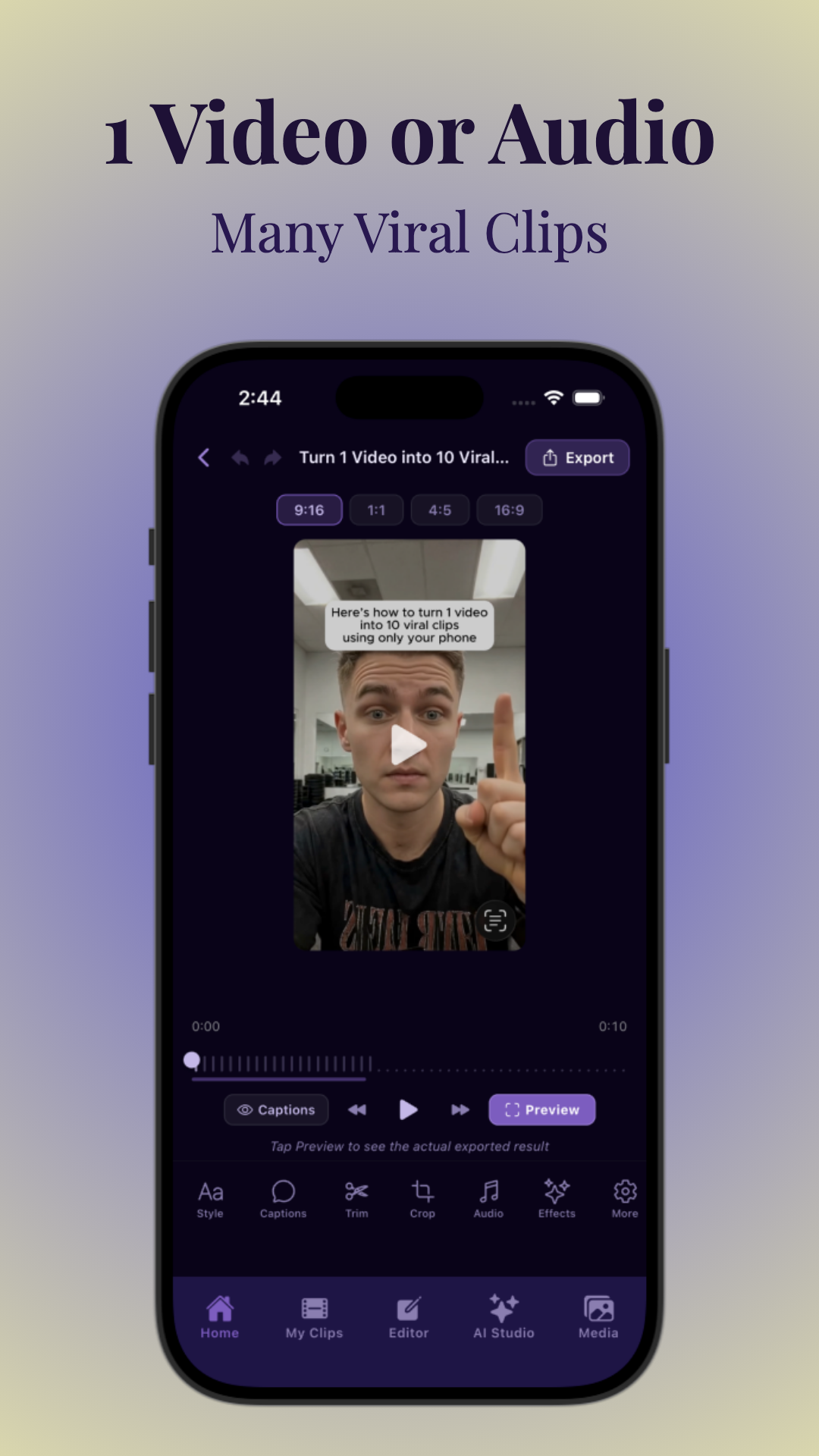
This repurposing approach saves time and helps you post more consistently on platforms like TikTok where short, engaging clips perform best.
Step 4: Mine Audience Questions from Comments, Polls, and Q&A Prompts
Your audience is a goldmine for video ideas. Regularly review comments on your videos, social media polls, and Q&A sessions to identify common questions and interests.
Create videos directly answering these questions or expand them into tutorials and guides. This builds engagement and ensures your content is highly relevant.
- Collect questions from YouTube comments and Instagram polls.
- Use the questions as video titles or topic inspiration.
- Respond in a friendly, informative style to foster community.
Step 5: Accelerate Brainstorming with AI Video Idea Generators
AI tools can help speed up your idea generation process. Apps like Vidulk not only clip videos but also assist with brainstorming content angles by analyzing your existing videos and suggesting highlights.
Try AI-powered hook generators or topic suggestion tools to jumpstart your creativity and maintain a steady production flow. Check out Vidulk’s Free Hook Generator to craft engaging intros that increase watch time.
Step 6: Use Trends, Google Alerts, and Trending Pages for Timely Video Ideas
Stay ahead by monitoring current trends using Google Alerts and social media trending pages. Set alerts for keywords related to your niche to get notified of hot topics.
Create timely videos that tap into these trends to boost your viral potential. Incorporate trending hashtags and topics in your clips to increase discoverability.
Step 7: Analyze Your Channel Analytics to Find Winning Topics
Regularly review your own channel analytics to determine which videos resonate most with your audience. Look for patterns in views, watch time, and engagement.
Focus future videos on the formats and subjects that perform best. Use Vidulk to clip the best moments from your own successful videos and repurpose them for TikTok or Instagram Reels.
Step 8: Build an Idea Vault and Content Calendar to Organize Your Workflow
Capture every idea in a dedicated vault using spreadsheets, note apps, or content planning tools. Organize ideas by category, priority, and format to streamline your content creation workflow.
Develop a content calendar to schedule posting consistently. Plan batching sessions where you generate and produce multiple videos or clips in one go, saving time and reducing creative burnout.
Step 9: Batch Idea Generation and Set Daily or Weekly Goals
Batching your idea generation and video production is key to staying consistent. Set realistic daily or weekly goals for the number of video ideas or clips you want to create.
For example, spend one hour daily brainstorming and clipping videos with Vidulk, then another block of time editing and scheduling posts. This habit builds momentum, helping you grow on TikTok and other platforms.
Tips & Common Mistakes
To maximize your video idea generation:
- Don’t rely on a single source: Combine competitor analysis, audience feedback, AI tools, and trends for a diverse idea pool.
- Avoid perfectionism: Publish consistently rather than waiting for perfect videos; you can improve over time.
- Keep ideas organized: Without a vault or calendar, ideas get lost and posting becomes irregular.
- Engage with your audience: Their feedback guides content relevance and increases loyalty.
- Repurpose wisely: Ensure clips are tailored to each platform’s audience and format requirements to go viral.
Conclusion
Learning how to generate more video ideas quickly is a game-changer for content creators who want to post more consistently and grow their audience. By combining keyword research, competitor analysis, audience insights, AI tools, and strategic batching, you can build an efficient content creation workflow. Repurposing one video into many short clips using tools like Vidulk helps you go viral on TikTok and other platforms while saving you time and effort. Start building your idea vault and content calendar today to unlock steady growth with viral clips.
FAQ
How do I come up with YouTube video ideas fast?
Use keyword research with YouTube autocomplete, analyze competitors’ top videos, and mine audience questions from comments and polls. AI tools like Vidulk can also suggest content ideas quickly.
What is the easiest way to find video ideas that people are actually searching for?
Leverage YouTube and Google autocomplete suggestions and trending topics. These reflect real user queries and help you create videos with built-in demand.
How do I turn one video idea into multiple content ideas?
Break down your long videos or podcasts into short clips focusing on different topics, formats, or questions. Repurpose highlights, tutorials, Q&As, and behind-the-scenes content.
How do I find video ideas from competitors?
Analyze your competitors’ most popular videos and channels to identify successful topics and formats. Adapt these ideas with your unique perspective.
Can AI generate good video ideas for YouTube?
Yes, AI tools like Vidulk’s hook generator and clip generator can help brainstorm video angles and automatically create engaging clips from long videos.
How do I never run out of video ideas for my channel?
Build an idea vault or content calendar, batch your idea generation, monitor trends, and engage with your audience to continuously discover new topics and formats.