
How to Optimize Content Calendar for Growth
Learn how to optimize your content calendar for growth with batching, repurposing, and viral clip strategies for consistent posting and TikTok success.

Estimated reading time: 12 min
Key Takeaways
- Set clear growth goals and align your content calendar with KPIs.
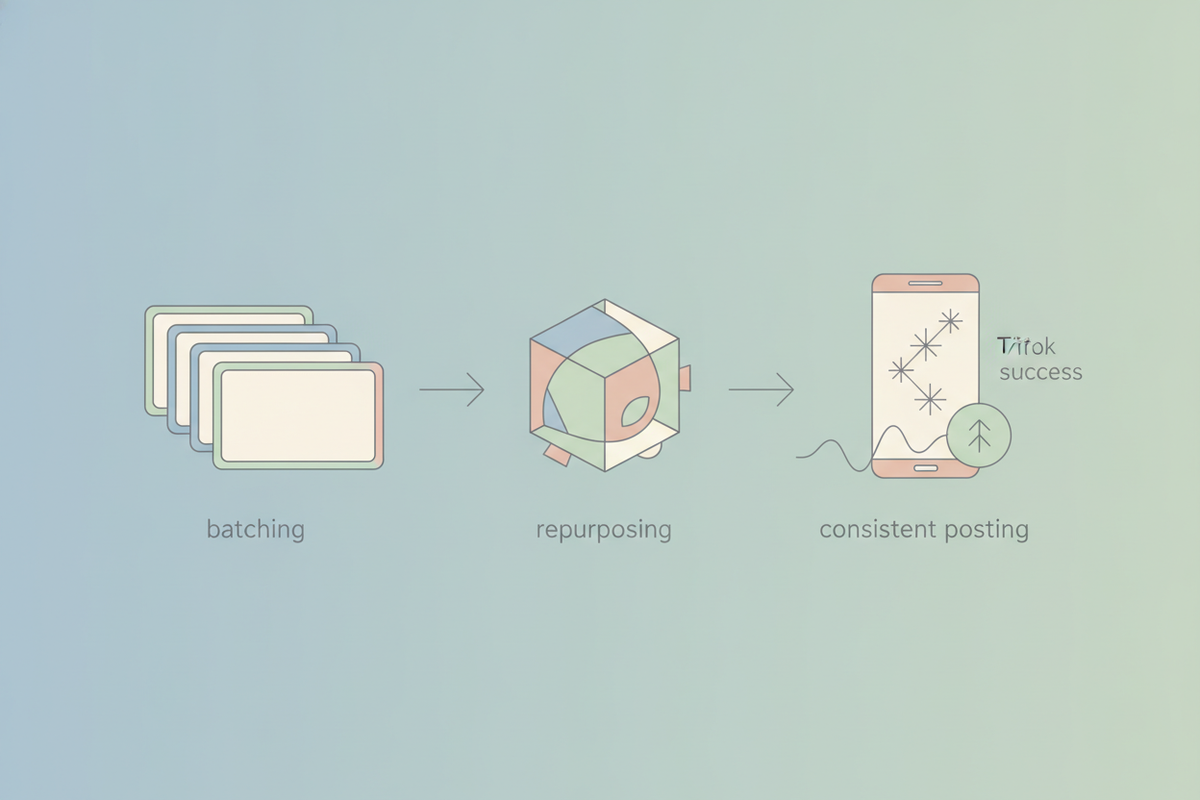
- Batch content creation and repurpose long videos into viral clips for efficiency.
- Balance evergreen and trending content to maximize engagement.
- Plan a consistent posting cadence tailored to your audience and platforms.
- Use AI tools like Vidulk to automate clipping and streamline your workflow.
Optimizing your content calendar for growth is essential to maintain consistent posting, increase audience engagement, and scale your presence across platforms like TikTok. With today's fast-paced content landscape, creators need a smart, repeatable process to turn long videos into viral clips, batch produce content, and plan strategically for the weeks ahead. In this guide, we'll walk you through how to optimize your content calendar for growth, covering everything from content batching to repurposing workflows and viral clip strategies.
Step 1: Set Clear Growth Goals and KPIs for Your Content Calendar
Before diving into content creation, define what growth means for your brand or channel. Are you aiming for more followers on TikTok? Increased website traffic? Higher conversion rates? Setting specific, measurable goals will help you map out content that drives results rather than just fills the calendar.
To align your calendar with growth, establish key performance indicators (KPIs) such as:
- Number of new followers/subscribers per month
- Engagement rate (likes, comments, shares)
- Click-throughs or conversions from content
- Views per post or clip
These KPIs guide your content topics, formats, and publishing cadence, ensuring every piece supports your growth strategy.
Step 2: Conduct a Content Audit and Identify Winning Themes
Analyze your past content to understand what resonates most with your audience. Look for themes, topics, or formats that consistently perform well. A content audit helps you identify your "content pillars" — core topics around which you can cluster future posts.
Use these insights to build content pillars and topic clusters. For example, if motivational podcasts clips get high engagement, create a pillar page or playlist focused on motivation, supported by clips, quotes, and related videos.
Step 3: Use SEO and Keyword Research to Map Search Intent
Even for video content, SEO plays a crucial role in discoverability. Conduct keyword research to understand the terms your audience searches for related to your pillars. Map these keywords to specific content slots in your calendar, matching search intent with content type — whether educational, entertaining, or transactional.
This approach helps your clips and posts rank better and attract organic traffic, supporting sustained growth.
Step 4: Balance Evergreen, Seasonal, and Trending Content
A healthy content calendar mixes evergreen content, seasonal posts, and reactive trend-based clips.
- Evergreen content remains relevant over time, providing steady traffic and engagement.
- Seasonal content leverages holidays, events, or industry cycles to connect with timely interests.
- Trending/reactive content taps into current viral topics or challenges, maximizing short-term visibility.
Balancing these types keeps your content fresh and broadens your reach, while evergreen pieces build a solid foundation.
Step 5: Develop a Posting Cadence and Forward-Looking Timeline
Consistency is key to growth. Decide how often you'll post on each platform based on audience habits and your resources. For example, TikTok creators often post daily or multiple times per day for momentum.
Create a forward-looking timeline—whether monthly, 60–90 days, or a 12-week roadmap—to visualize your content flow. This helps avoid last-minute rushes and ensures a steady stream of content aligned with your goals.
Step 6: Build a Repeatable Content Creation Workflow with Batching
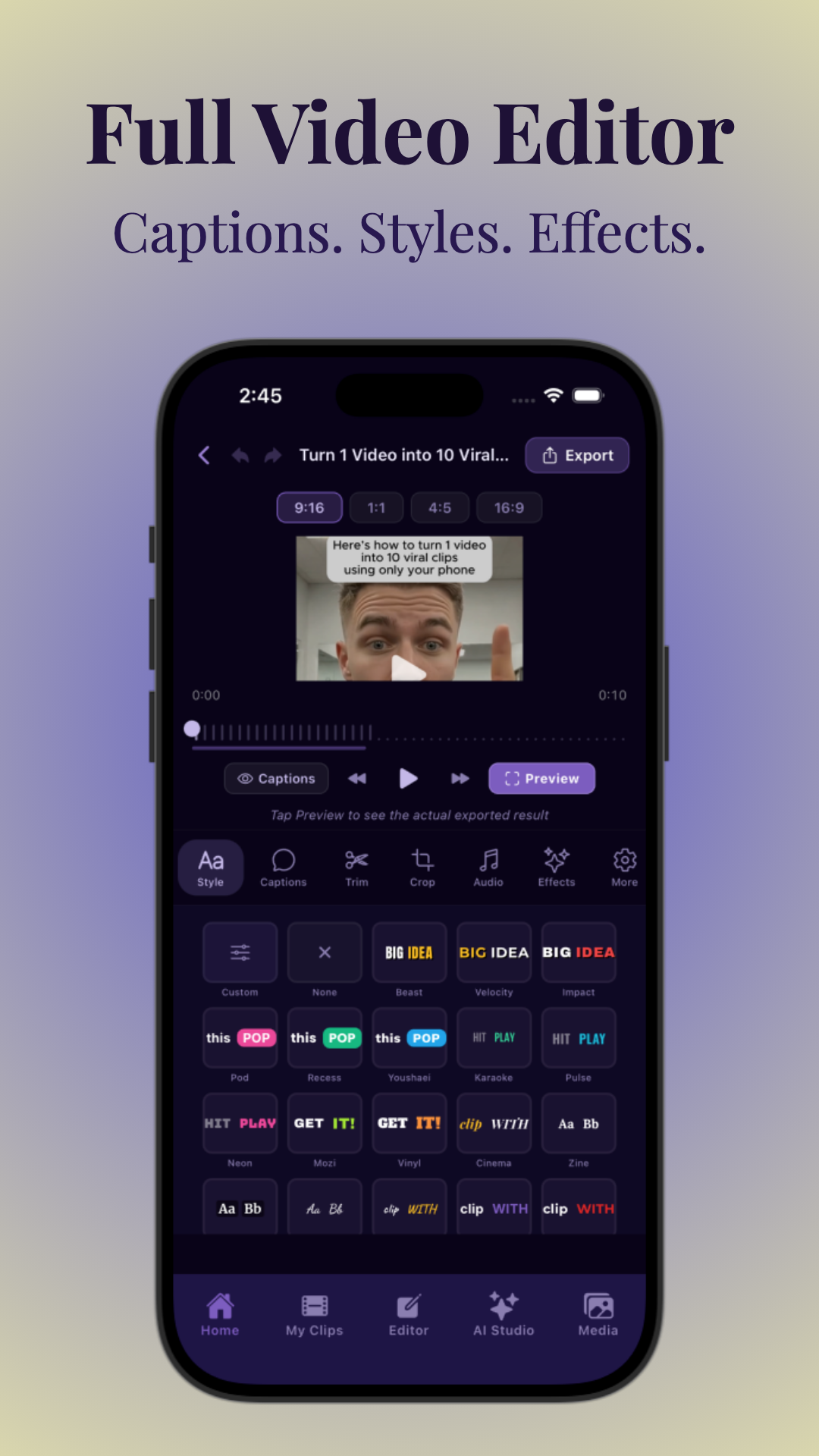
Batching content creation means producing multiple pieces in one focused session, which saves time and improves quality. Use batching to record or select long videos, then use an AI clipping app like Vidulk to automatically generate short, captioned, vertical clips ready for social sharing.
Your workflow might look like this:
- Gather and upload long-form videos (podcasts, interviews, lectures).
- Use Vidulk’s AI to detect and clip the best moments.
- Customize captions and visuals within the app to optimize for each platform.
- Schedule posts according to your calendar.
This approach maximizes output while maintaining content quality and relevance.
Step 7: Repurpose One Video into Many Clips to Maximize Reach
Long videos contain multiple valuable moments. Instead of posting the entire video, break it down into several short clips tailored for different platforms or audience segments.
Repurposing content helps you:
- Reach diverse audiences with varying preferences.
- Increase posting frequency without additional recording.
- Test different styles and hooks to find what goes viral.
Using AI-powered tools like Vidulk, you can speed up this repurposing workflow and experiment with formats that help you go viral with clips.
Step 8: Align Content to Funnel Stages and Conversion Goals
Not all content should be purely promotional. Structure your calendar to include content that supports every stage of the customer journey:
- Awareness: Entertaining or educational clips to attract new viewers.
- Consideration: In-depth content answering questions or showcasing expertise.
- Conversion: Clear calls to action and offers encouraging sign-ups or purchases.
This alignment ensures that your content calendar drives meaningful growth beyond vanity metrics.
Step 9: Plan Distribution and Promotion Beyond Publishing
Publishing content is only part of the equation. Plan how you will distribute and promote clips across channels like Instagram Reels, TikTok, YouTube Shorts, and Twitter.
Repurpose clips into different formats (e.g., carousel posts, stories) and cross-promote to increase visibility. A repeatable workflow for ideation, drafting, reviewing, publishing, and promotion smooths the process.
Step 10: Review Performance Regularly and Adjust Your Calendar
Track the performance of your content against the KPIs set in Step 1. Use analytics to identify which clips, topics, and posting times deliver the best results.
Regular reviews (monthly or quarterly) allow you to pivot your content calendar, doubling down on winning strategies and dropping ineffective ones. This iterative approach fuels sustained growth.
Tips & Common Mistakes
Here are some tips and pitfalls to avoid when optimizing your content calendar for growth:
- Tip: Use AI tools like Vidulk to save time clipping and captioning videos.
- Tip: Batch produce content to maintain posting consistency without burnout.
- Tip: Mix evergreen and trending content to build both short- and long-term engagement.
- Mistake: Overloading your calendar without clear goals leads to wasted effort.
- Mistake: Ignoring analytics prevents you from optimizing content effectively.
- Mistake: Posting sporadically makes it difficult to build audience trust and momentum.
Conclusion
Optimizing your content calendar for growth involves strategic planning, batching content creation, repurposing long videos into viral clips, and maintaining a consistent posting cadence. Leveraging AI-powered tools like Vidulk can streamline your workflow, enabling you to produce high-quality clips that resonate and grow your audience on platforms like TikTok. By continuously reviewing performance and aligning content to your goals, you create a powerful engine for sustainable content growth.
Ready to elevate your content creation? Explore Vidulk’s AI clipping features and start turning your long videos into viral clips today at Vidulk.
FAQ
How do I optimize a content calendar for SEO growth?
Optimize your content calendar for SEO by conducting keyword research to map search intent to your content topics, creating evergreen content pillars, and scheduling regular posts with optimized titles, descriptions, and captions. Use analytics to adjust based on what drives organic traffic.
What should be included in a content calendar for marketing?
A marketing content calendar should include content themes or pillars, target keywords, publishing dates, content formats, distribution channels, and performance KPIs. It should also plan for batching, repurposing, and promotion activities.
How many content pillars should a growth-focused content calendar have?
Typically, 3 to 5 content pillars work well for a growth-focused calendar. This range allows you to cover core topics deeply without spreading your efforts too thin.
How far ahead should I plan my content calendar?
Plan your content calendar 60 to 90 days ahead or use a 12-week roadmap. This forward-looking timeline helps maintain consistency, manage resources, and react timely to seasonal or trending opportunities.
How do I balance evergreen and trending content in a content calendar?
Balance evergreen and trending content by allocating a fixed percentage of your calendar to each, such as 60% evergreen and 40% trending/reactive. Evergreen content builds long-term value, while trending content boosts short-term engagement.
How do I measure whether my content calendar is driving growth?
Measure growth by tracking KPIs like follower increase, engagement rates, views, click-throughs, and conversions linked to your content. Regularly review analytics to see which content drives the most impact and adjust accordingly.