
How to Scale Up Content Production for Creators
Learn how to scale up content production for creators with batching, repurposing, and viral clips to grow on TikTok and post more consistently.

Estimated reading time: 12 min
Key Takeaways
- Define clear goals and audience before scaling content production.
- Audit existing workflows to identify bottlenecks and optimize capacity.
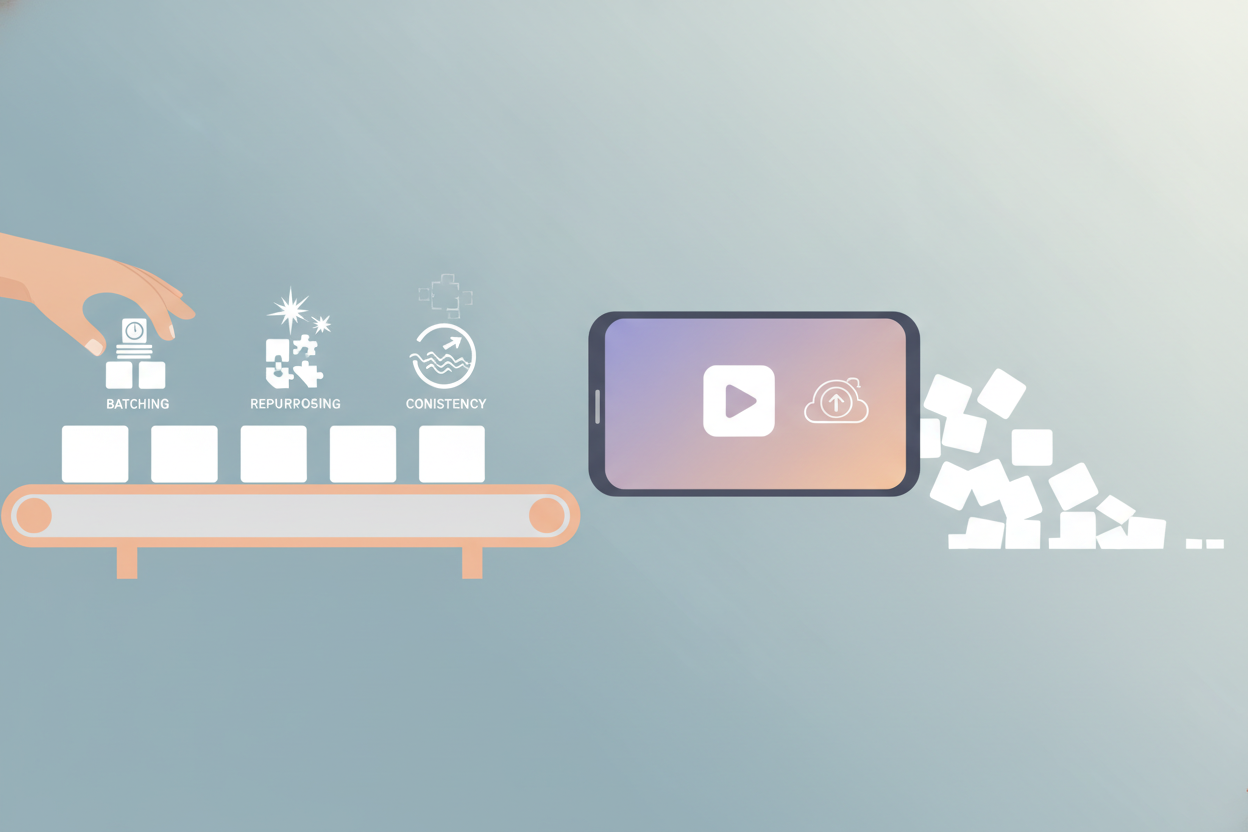
- Use content batching and repurposing to maintain consistency and maximize output.
- Leverage AI tools like Vidulk to create viral clips from long videos quickly.
- Implement quality control and measure performance to refine your content strategy.
Scaling up content production is essential for creators looking to grow their audience, post more consistently, and increase engagement. Whether you are a podcaster, video creator, or influencer, understanding how to streamline your content creation workflow can save time and unlock new growth opportunities. In this guide, we’ll explore actionable steps to help you scale up content production effectively, including batching, repurposing, and using AI-powered tools like Vidulk to generate viral clips ready for platforms like TikTok.
Step 1: Define Content Goals, Audience, and Strategy
Before ramping up your content output, it’s crucial to establish clear content goals that align with your brand and audience needs. Ask yourself:
- What is the primary purpose of your content? (e.g., education, entertainment, brand awareness)
- Who is your target audience and what type of content do they engage with most?
- What platforms will you focus on for distribution? (e.g., TikTok, Instagram, YouTube)
With your goals and audience defined, develop a content strategy that includes the types of content you will produce and the posting cadence that fits your resources. This foundational step ensures your scaling efforts remain focused and effective.
Step 2: Audit Your Current Content Workflow
Identify bottlenecks and capacity limits in your current workflow by mapping out each stage of content production, from ideation to publishing. Key areas to evaluate include:
- How long does it take to produce one piece of content?
- What repetitive tasks could be streamlined or automated?
- Are there gaps in resources or skills that slow progress?
Understanding these pain points helps you prioritize improvements that will have the biggest impact on efficiency, allowing you to produce more content faster.
Step 3: Build Repeatable Processes with Templates and SOPs
Creating standardized processes with briefs, templates, and style guides helps maintain quality and speed as you scale. For example:
- Develop content briefs that outline the key message, format, and audience for each piece.
- Create templates for video edits, captions, and thumbnails to reduce repetitive work.
- Establish standard operating procedures (SOPs) that document your workflow steps and quality checks.
This structure ensures consistency across your content and makes it easier to onboard collaborators or freelancers.
Step 4: Plan with a Content Calendar and Batch Production
A content calendar is essential for organizing your production schedule and maintaining consistent posting. Plan content themes, deadlines, and publishing dates in advance.
Batch production involves creating multiple pieces of content in one focused session, which saves time and boosts productivity. For example:
- Record several podcast episodes or videos in one day.
- Edit multiple clips or create captions in batches.
- Schedule posts ahead of time using social media management tools.
This approach helps you post more consistently and reduces last-minute stress.
Step 5: Repurpose One Video into Many Clips
Maximize the value of your long-form content by repurposing it into multiple short clips optimized for social platforms. Repurposing benefits include:
- Reaching audiences across different channels with varied formats.
- Increasing content output without starting from scratch.
- Improving discoverability and engagement with viral clip potential.
Tools like Vidulk are designed to automate this process. You can upload a podcast, interview, or lecture and let its AI detect the best moments to clip, caption, and format as vertical videos ready to post.
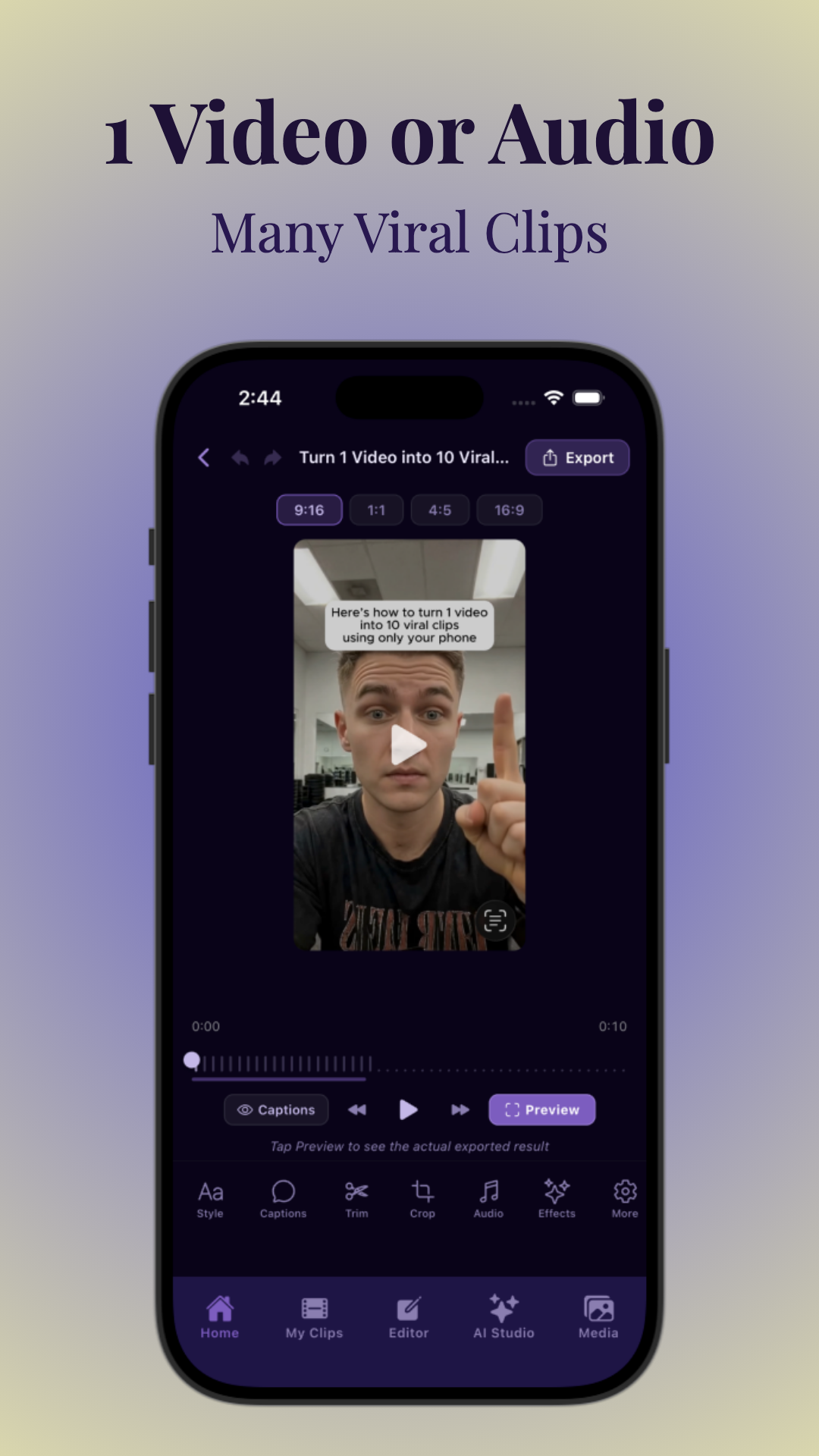
Check out this guide on transforming long videos with AI to learn more about automating clip creation.
Step 6: Use AI and Automation to Speed Up Creation
AI technology can dramatically reduce the time spent on research, drafting, editing, and distribution. Vidulk’s AI Studio, for instance, not only clips videos but also generates images and enhances them on-device, streamlining your workflow.
Other ways to integrate AI include:
- Automated caption generation for accessibility.
- AI-powered hook generators to craft engaging intros (Free Hook Generator).
- Scheduling and posting automation through social tools.
Incorporating AI helps you produce more content faster while maintaining quality and creativity.
Step 7: Outsource Strategically to Freelancers and Agencies
When scaling beyond your capacity, outsourcing is a smart choice. Identify tasks that can be delegated, such as editing, captioning, graphic design, or social media management.
Consider the benefits of freelancers or agencies:
- Access to specialized skills and tools.
- Flexibility to scale up or down as needed.
- Time savings so you can focus on content creation and strategy.
Clear briefs and SOPs ensure outsourced work meets your brand standards and integrates smoothly with your workflow.
Step 8: Set Up Quality Control and Review Stages
Maintaining brand consistency and content quality is vital when producing at scale. Implement review processes such as:
- Peer reviews or editor approvals before publishing.
- Automated checks for caption accuracy and branding elements.
- Regular audits of published content for performance and compliance.
These steps help catch errors early and uphold your content reputation.
Step 9: Measure Performance and Optimize Continuously
Use analytics dashboards to track key metrics like engagement, reach, and conversion rates. Regularly analyze which content formats and topics perform best.
Apply these insights to:
- Adjust your content calendar and posting frequency.
- Refine your clipping and repurposing strategy to focus on viral moments.
- Test new formats and platforms to expand your audience.
Continuous optimization ensures your scaled production delivers growing impact over time.
Tips & Common Mistakes
Scaling content production is a balance between quantity and quality. Keep these tips in mind:
- Don’t sacrifice quality for speed; use templates and AI to maintain standards.
- Batch content but leave room for timely or trending topics.
- Repurpose strategically—focus on clips that match platform trends to go viral.
- Regularly update your SOPs and workflows as tools and audience preferences evolve.
- Leverage owned channels like email for distribution and monetization alongside social platforms.
Conclusion
Knowing how to scale up content production for creators is key to growing your audience and posting more consistently. By defining your goals, auditing workflows, batching production, and using AI-powered tools like Vidulk, you can efficiently repurpose long videos into viral clips that resonate on TikTok and beyond. Outsourcing strategically and maintaining quality controls further ensures sustainable growth.
Start scaling smarter today with Vidulk's mobile app — turn your long videos into viral clips in minutes and boost your content creation workflow effortlessly. Explore more about how Vidulk can transform your content at Vidulk.
FAQ
How do creators scale content production without sacrificing quality?
Creators can maintain quality by establishing clear workflows, using templates and SOPs, batching production, and leveraging AI tools like Vidulk to automate repetitive tasks while keeping review stages for consistency.
What is the best workflow to produce more content faster?
A streamlined workflow includes planning with a content calendar, batching content creation, repurposing long videos into clips, and integrating AI for editing and captioning to speed up production.
When should a creator outsource content production?
Outsourcing is beneficial when your production demand exceeds your capacity or when specialized skills like editing or graphic design are needed to maintain quality and growth.
How can AI help scale content creation?
AI accelerates research, editing, caption generation, and clip creation. Apps like Vidulk automatically detect viral moments in long videos and create ready-to-post clips, saving time and boosting output.
How do you repurpose one piece of content into multiple formats?
Repurpose by extracting key moments into short clips, creating images or audiograms, and adapting content for different platforms. Vidulk facilitates this by clipping and captioning videos automatically.
What tools help manage a scalable content production system?
Tools like Vidulk for AI clipping, social media schedulers, project management apps, and analytics dashboards help organize, automate, and track scalable content production.
Free to start
Try the Vidulk app
Everything in this guide, in your pocket.
Get it on iPhoneGet it on Android