How to License AI-Generated Video Highlights to Brands
Learn how to license AI-generated video highlights to brands for scalable revenue. Explore technology, contracts, and benefits for content creators.

Estimated reading time: 4 minutes
Key Takeaways
- AI-driven tools can automatically generate engaging short-form video clips.
- Content creators must navigate legal considerations—ownership, copyright, licenses.
- Structured licensing agreements clarify usage rights, duration, territory, and fees.
- Offering scalable, personalized content appeals to brands seeking consistent engagement.
- Building robust documentation and negotiating clear contracts mitigate risks.
Table of Contents
- Introduction
- Understanding AI-Generated Video Highlights and AI-Generated Content
- Benefits for Brands
- Why Brands Are Interested in Licensing AI-Generated Content
- Licensing Essentials for AI-Generated Video Highlights
- Step-by-Step Licensing Guide
- Challenges and Considerations
- Conclusion and Next Steps
Introduction
Introduction
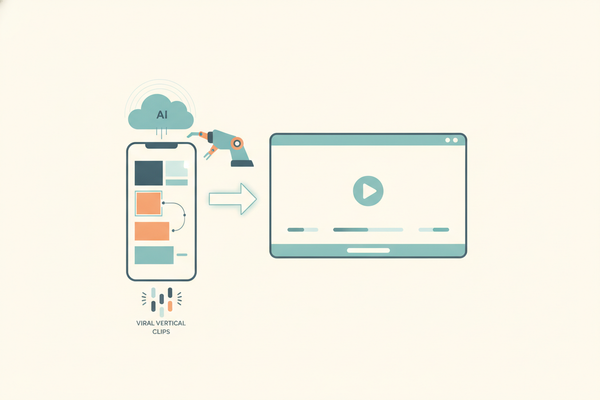
In this guide on how to license AI-generated video highlights to brands, we’ll explore the entire process from technology to contracts. How to license AI-generated video highlights to brands is essential for content creators aiming to monetize short clips. AI-generated video highlights are short, automatically edited clips created by machine learning and computer vision that detect key events and assemble them into snackable content.
Short-form consumption is booming with Reels, Shorts, and TikTok clips. Brands seek cost-effective content creation and brand partnerships to fill social feeds at scale. AI pipelines can produce hundreds of clips in minutes, slashing production time and budgets.
Understanding AI-Generated Video Highlights and AI-Generated Content
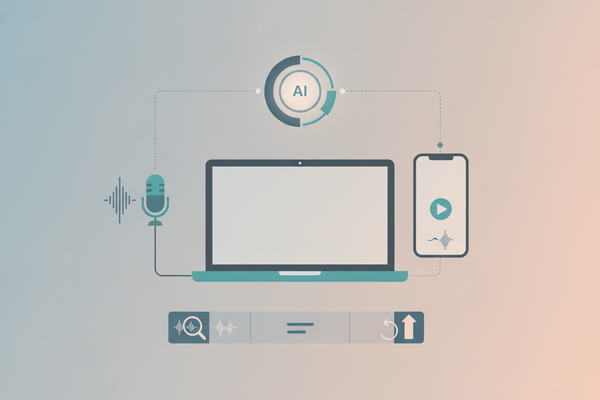
AI-generated video highlights are algorithmic outputs that scan long-form videos to pinpoint top moments. These systems analyze:
- Visual cues – object/scene/logo detection, motion bursts, facial expressions
- Audio signals – speech-to-text transcripts, loudness peaks, crowd reactions
- Behavioral data – viewer drop-offs, rewinds, chat spikes, likes
Technology stack elements:
- Computer vision models (object, scene, logo detection)
- Audio analysis (sentiment, keyword spotting, volume spikes)
- Machine learning ranking (engagement prediction)
- Automated editing (templates, transitions, aspect-ratio adjustments)
For more on how AI video highlight generators identify top moments, see video highlight generator AI.
Benefits for Brands
- Increased engagement on social and ad channels
- Speed & scale: generate dozens or hundreds of variations daily
- Cost-effective vs manual editing – lower incremental costs per clip
- Personalization by platform or audience segment
- Consistency with brand guidelines, compliance, and safety templates
Why Brands Are Interested in Licensing AI-Generated Content
Brands gravitate toward licensing AI-generated content for several core appeals:
- Personalization at scale – A/B test hooks, lengths, CTAs across audiences
- Scalability – continuous highlight streams from weekly shows or events
- Innovation & differentiation – real-time reactive clips and multi-angle POVs
- Data-driven optimization – ties content variants to performance metrics
- Predictable volume – licensing beats viral-content uncertainty
Licensing Essentials for AI-Generated Video Highlights
Licensing means granting brands defined usage rights—scope, duration, territory, channels—while you keep ownership unless a buyout is negotiated. Proper licensing protects creators and brands by clarifying rights over AI-generated content.
Key legal and IP considerations:
- Ownership of source footage and inputs
- Copyright status of AI output
- Music and sound rights
- Likeness, trademarks, logos clearances
- AI platform terms of service
Step-by-Step Licensing Guide
- Self-assessment of content quality, rights, and originality
- Define licensing objectives and target brand profiles
- Establish terms and pricing models
- Prepare documentation and samples
- Negotiate and finalize licensing contracts
Challenges and Considerations
Common challenges include copyright and derivative-work risks, attribution ambiguity, hidden platform claims, evolving regulations, and ethical risks. Risk mitigation involves using clear-rights AI tools, legal checklists, documentation, and contractual protections.
Conclusion and Next Steps
Mastering how to license AI-generated video highlights to brands unlocks a scalable revenue stream and protects both creators and brands.
- Grasp AI highlight technology and benefits
- Address legal/IP essentials
- Align offerings with brand needs
- Negotiate clear contracts
Next actions:
- Consult an IP/entertainment lawyer
- Build a rights management system
- Pilot a small licensing deal
To explore turning your clips into a revenue stream, see earn money with AI video clips.
For streamlined AI-based clipping workflows, consider testing Vidulk - AI Video Clipping App to automate highlight detection and export.

FAQ
- How long does it take to set up AI video highlighting? Typically within a few hours to a day, depending on the complexity of your content library and platform integration.
- Can I customize the look and feel of AI-generated clips? Yes, most tools offer templates, transitions, and branding options to match your style guidelines.
- What rights should I retain when licensing? Retain ownership of the master files and negotiate usage rights—scope, duration, territory—with clear reversion or extension clauses.
- How do I ensure legal compliance? Use legally vetted platforms, maintain documentation for inputs, and consult an IP attorney for contract reviews.
- Is AI-generated content eligible for copyright protection? This area is evolving; typically, human oversight and creativity in editing strengthen protection, but check local laws and AI platform terms.