How to Optimize Video Clip Audio for Search Engines
Learn how to optimize video clip audio for search engines to boost visibility, engagement, and rankings using clear speech, accurate transcriptions, and metadata.

Estimated reading time: 8 minutes
Key Takeaways
- Clear audio delivers 95%+ ASR accuracy and sharper search signals.
- Accurate transcripts and subtitles create crawlable text and boost engagement.
- Metadata & schema guide search engines before they listen.
- Technical optimizations like adaptive bitrate and fast load times retain viewers.
- Integrated strategy ties audio, transcripts, and sitemaps into a cohesive SEO plan.
Table of Contents
- Section 1: Understanding the Intersection of Video, Audio, and SEO
- Section 2: Key Components to Optimize Video Clip Audio for Search Engines
- Section 3: Technical Considerations
- Section 4: Integrating Audio Optimization with Overall Video SEO Strategy
- Section 5: Best Practices and Common Pitfalls
- Conclusion
- FAQ
Section 1: Understanding the Intersection of Video, Audio, and SEO
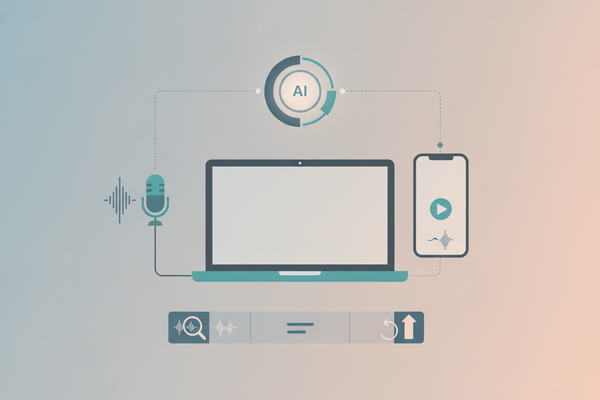
Audio often flies under the radar when it comes to video SEO, yet it’s a critical gateway for AI-driven indexing. Search engines rely on:
- Metadata analysis: Titles, descriptions, and tags provide keywords and context.
- Engagement metrics: Watch time, retention curves, and click-through rates signal quality.
- Technical factors: Load speed, mobile compatibility, and container formats matter.
- Audio signals: Automatic Speech Recognition (ASR) systems convert speech to text for indexing.
Define ASR
Automatic Speech Recognition (ASR) uses machine learning to transform spoken words into text. It demands clear recordings and consistent pacing to achieve high accuracy.
Impact of Audio on Rankings
- Background noise or muffled speech can drop ASR accuracy below 70%.
- “Audio bolding”—short pauses around key phrases—helps ASR group important terms.
- High-quality speech keeps viewers watching longer, sending strong engagement signals.
In one case, a cooking channel that cleaned ambient noise and added micro-pauses before each recipe step saw a 25% jump in click-throughs and climbed two positions in search results.
Learn more about OpenAI’s Whisper and its role in voice indexing.
Section 2: Key Components to Optimize Video Clip Audio for Search Engines
2.1 Audio Quality Enhancement
Clean, balanced audio is the foundation of voice indexing. Focus on:
Noise Reduction- Removing unwanted sounds—hums, echoes, and traffic.
- Tools: Audacity (free noise profiles), Adobe Audition (advanced gating). Explore AI noise reduction for video clips.
- Boost mids (1–4 kHz) for speech clarity; cut lows (<100 Hz) to remove rumble.
- Keep loudness steady: -16 LUFS for stereo, -14 LUFS for video platforms.
- Insert 200–300 ms pauses before and after key phrases to mimic punctuation.
Why it matters:
- Clear audio yields 95%+ ASR accuracy vs. ~70% for noisy clips.
- Accurate transcripts unlock more relevant keywords for indexing.
Action Items:
- Run a noise reduction pass.
- Apply an EQ preset optimized for vocals.
- Normalize to platform LUFS standards.
- Insert micro-pauses around key terms.

2.2 Transcription and Subtitles
Transcripts add crawlable text, improve accessibility, and keep viewers engaged. See our AI audio transcription and clipping guide.
Transcription vs. Auto-Generated Captions- Transcription: Human-verified, with speaker labels and timestamps.
- Auto-Generated Captions: Quick but error-prone and often unlabeled.
- Use SRT or VTT formats with clear speaker IDs.
- Bracket non-speech sounds (e.g., “[music]”).
- Sync text within 0.5 seconds of speech.
- Crawlable content: Transcripts are indexed as page text.
- WCAG compliance for Deaf and hard-of-hearing audiences.
- Otter.ai for fast drafts with speaker separation.
- Descript for easy audio/text editing.
- 3Play Media for professional, human-reviewed captions.
2.3 Metadata Optimization
Your file names, alt-text, descriptions, and tags tell search engines what you’re saying before they process a single audio frame.
File Naming- Use descriptive, keyword-rich names: “optimize-video-clip-audio-for-search-engines.mp4”.
- Include the primary keyword: “Tutorial on how to optimize video clip audio for search engines with clear speech.”
- Lead with your core question or benefit.
- Include key timestamps (e.g., “2:15 – Audio bolding techniques”).
- Sprinkle the primary keyword in the first 200 characters.
- Use relevant tags: speech-to-text, audio SEO, ASR optimization.
YouTube Best Practices:
- Max out the 5,000-character description.
- Add chapters for quick navigation.
Section 3: Technical Considerations
Technical choices impact load speed and playback quality.
Audio Formats & Codecs- Container: MP4 (widely supported).
- Codec: AAC at 128–256 kbps for clear sound with moderate file size.
ffmpeg -i input.wav -c:a aac -b:a 192k output.mp4Load-Speed Impact
- Pages under 3 seconds reduce bounce rates by 50%.
- Faster media delivery signals quality to search engines.
- Preload metadata only, delay media until user interaction.
- Use adaptive bitrate streaming.
- Host on CDNs to reduce global latency.
Section 4: Integrating Audio Optimization with Overall Video SEO Strategy
Combine audio enhancements with sitemaps, schema, and metadata for maximum impact.
For broader guidance, see video clip SEO best practices.
Section 5: Best Practices and Common Pitfalls
Best Practices
- Audit top videos for noise and transcription errors.
- Apply consistent audio bolding and speaker IDs.
- Embed transcripts in blog posts for keyword-rich pages.
- Monitor watch time, retention, and impressions.
Common Pitfalls
- Relying solely on auto-captions—errors damage SEO.
- Inconsistent audio/visual timing—confuses ASR.
- Keyword stuffing—use terms naturally.
- Ignoring mobile playback and accessibility.
Conclusion
Transforming spoken content into searchable text turns your video audio into powerful SEO assets. By cleaning up audio, adding precise transcripts, enriching metadata, and leveraging sitemaps and schema, you’ll boost visibility, engagement, and rankings.
Next steps:
- Run noise reduction and EQ.
- Add human-verified transcripts and captions.
- Update file names, descriptions, and schema markup.
- Test AI tools like Whisper or Google USM for transcription.
Your traffic and engagement are about to soar—give it a try on your next project!
FAQ
What is audio bolding?
Audio bolding inserts short pauses around key phrases to mimic punctuation, improving ASR grouping and transcript accuracy.
How accurate are auto-generated captions?
They often achieve ~70% accuracy and may mislabel speakers or omit non-speech sounds, so human editing is recommended.
Which transcription format is best?
SRT or VTT with clear speaker labels and timestamps synced within 0.5 seconds of speech.
Do I need schema markup?
Yes, VideoObject schema and video sitemaps help search engines surface your content more prominently.
Can I use these techniques on YouTube?
Absolutely—clear audio, accurate transcripts, and rich metadata all contribute to higher visibility and engagement on YouTube.
Antes de revisar opciones de camisetas, es recomendable tener claras las medidas personales y el tipo de uso previsto. Quienes comparan alternativas pueden usar camiseta del FC Barcelona online como punto de partida para observar tipos de camiseta y detalles básicos. Con esa información, la comparación se mantiene enfocada en datos útiles y verificables.