Short Form Video Content Ideas: The Ultimate Guide for Creators
Discover the best short form video content ideas, proven formats, viral hooks, and practical tips to create Reels, TikToks, and YouTube Shorts that get views.

Estimated reading time: 18 min
Key Takeaways
- Short form video content ideas range from behind-the-scenes clips to faceless videos and viral TikTok formats, each tailored to engage different audience segments.
- Consistent ideation requires deep understanding of your niche, audience pain points, and trending hooks, supported by data-driven research and social listening.
- Repurposing long-form content into bite-sized clips maximizes reach and engagement across platforms while saving significant content creation time.
- Using tools like Vidulk automates clipping, captioning, and formatting to speed up content creation without sacrificing quality or consistency.
- Balancing educational, entertaining, and social proof formats keeps content fresh, relatable, and optimized for algorithmic boosts.
Table of Contents
- Section 1: Proven Short Form Video Formats That Drive Views
- Section 2: Faceless YouTube Video Ideas for Creators
- Section 3: Viral TikTok and Reels Content Ideas to Try Today
- Section 4: How to Consistently Come Up With Short Form Video Ideas
- Section 5: Best Video Hooks to Capture Attention Instantly
- Section 6: Repurposing Long-Form Videos into Engaging Shorts
- Conclusion
- FAQ
Section 1: Proven Short Form Video Formats That Drive Views
Behind-the-Scenes and Day-in-the-Life Videos
Audiences crave authenticity and transparency, which makes behind-the-scenes (BTS) and day-in-the-life videos some of the most engaging short form formats. These clips offer a candid glimpse into your process, workspace, or daily routine, creating a genuine connection and building trust over time. BTS content humanizes your brand or persona, fostering loyalty and relatability.
- Show how you prepare for a podcast or interview, highlighting equipment setup, script notes, or pre-show rituals.
- Share candid moments or challenges during content creation, such as brainstorming sessions, technical difficulties, or creative breakthroughs.
- Use vertical clips with clear, concise captions to enhance accessibility and ensure your message is understood even without sound.
- Incorporate natural sounds or ambient noise to boost the feeling of being 'in the moment'.
- Experiment with time-lapse techniques to condense longer activities into captivating 15-30 second clips.
Product Demos, Tutorials, and How-To Clips
Short, actionable tutorials and demos perform exceptionally well because they deliver immediate value. Breaking down complex processes into bite-sized lessons or quick hacks empowers viewers to solve problems without feeling overwhelmed. This positions you as an expert and encourages viewers to return for more knowledge.
- Create step-by-step demo clips extracted from longer videos, focusing on single features or tips.
- Target specific pain points or frequently asked questions to ensure relevance and usability.
- Highlight product features or software functions using close-up shots, screen recordings, or split-screen comparisons.
- Use callouts, arrows, or animated text overlays to direct attention and clarify steps.
- Include a clear call-to-action (CTA) such as "Try this today" or "Follow for more tips" to drive engagement.
Customer Testimonials, Reviews, and Social Proof
Social proof is a powerful trust-builder. Sharing short clips of satisfied customers or positive feedback helps overcome objections and influences potential buyers. These videos can be extracted from interviews, live streams, or user-generated content, then clipped into engaging short videos optimized for social sharing.
- Highlight key praise using animated captions or kinetic typography to emphasize notable quotes.
- Feature a diverse range of customers or clients to appeal to broader demographics and increase relatability.
- Use compelling sound bites that trigger emotional responses, such as excitement, relief, or gratitude.
- Combine testimonial clips with product visuals or before-and-after shots for added impact.
- Encourage viewers to submit their own testimonials to build a library of authentic social proof content over time.
Section 2: Faceless YouTube Video Ideas for Creators
Why Faceless Videos Work
Faceless videos are increasingly popular because they allow creators to remove the pressure of being on camera, which can be a barrier for many. These videos rely on engaging visuals, narration, text overlays, animations, and other creative techniques to tell stories or explain concepts effectively. This format appeals to a wider audience by focusing attention on the content itself rather than the presenter’s appearance or personality.
- Ideal for creators who prioritize privacy, have camera shyness, or want to scale content production quickly without reshoots.
- Focuses viewer attention on the message, data, or story rather than the presenter’s delivery style.
- Enables diverse content styles — from animated explainer videos, listicles, and infographics to narrated tutorials and screen recordings.
- Can be adapted to almost any niche, including finance, tech, education, and entertainment.
- Supports easier localization by swapping narration or text elements without reshooting footage.
Examples of Faceless Formats
- Listicles: Present top 5 tips, best tools, or myths busted using animated text and visuals to maintain viewer interest.
- Screen recordings: Software tutorials, app walkthroughs, or coding guides narrated with clear voiceover or subtitles.
- Text story videos: Short narratives, inspirational quotes, or thought-provoking questions paired with relevant stock imagery or motion graphics.
- Animated explainer videos: Use simple motion graphics and icons to break down complex subjects into digestible chunks.
- Whiteboard animations: Drawings and sketches that visually explain processes or ideas step-by-step.
Tools to Simplify Creation
Apps like Vidulk help creators by automatically clipping, captioning, and formatting videos, making the production of faceless content faster and more polished. Vidulk’s AI-driven captioning ensures text is crisp and readable, which is crucial since faceless videos rely heavily on visual storytelling cues.
Other tools to consider include animation software like Adobe After Effects, screen capture programs such as OBS Studio, and subtitle generators like Kapwing or Descript. Combining these with Vidulk streamlines workflow and boosts efficiency.
Explore our detailed guide on how to come up with video ideas to unlock more inspiration and step-by-step tutorials.
Section 3: Viral TikTok and Reels Content Ideas to Try Today
Trending Memes and Audio Formats
Jumping on trending sounds or memes is one of the fastest ways to get discovered on TikTok or Instagram Reels. Trends evolve quickly, so adapting them to your niche with a unique spin or an educational twist can differentiate your content and increase shareability.
- Use TikTok’s Discover page or Instagram Reels Explore tab daily to monitor trending audio and visual formats relevant to your audience.
- Incorporate trending audio clips with captions or subtitles to ensure your message remains clear even with sound off.
- Keep videos concise, ideally between 15-30 seconds, matching the typical consumption patterns favored by these platforms.
- Put your brand’s personality into trends by adding humor, insight, or actionable advice.
- Use TikTok’s Duet or Stitch features to engage with trending content and expand reach.
Before-and-After Transformations and Process Reveals
Viewers are naturally drawn to progress and transformation stories. Whether showcasing a product update, room makeover, skill development, or creative project, short clips that reveal “before” and “after” states hook viewers emotionally and encourage shares.
- Use fast cuts, jump cuts, or time-lapse effects to create dynamic storytelling that holds attention.
- Add text overlays highlighting key changes, milestones, or impressive outcomes.
- Repurpose longer tutorials or content into mini transformation clips that are easy to consume and share.
- Include background music that complements the pacing and mood of the transformation.
- Consider adding a voiceover to explain the process or share lessons learned.
Quick Educational Tips and Micro-Lessons
Micro-lessons packed with clear, actionable tips perform well because they deliver immediate value in a digestible format. These can be hacks, surprising facts, or best practices tailored to your niche.
- Focus each video on one key takeaway to maximize clarity and retention.
- Use eye-catching captions, animations, or graphic elements to emphasize important points.
- Build thematic series around topics such as "Productivity Hacks," "Marketing Tips," or "DIY Crafts" to encourage repeat viewing and follower loyalty.
- Engage viewers with questions or prompts to comment their experiences or additional tips.
- Leverage platform features like polls or sticker questions in Stories to complement your micro-lessons and boost interaction.
For more viral ideas, check out our curated list of 11 Reels content ideas to go viral with examples and tips to replicate success.
Section 4: How to Consistently Come Up With Short Form Video Ideas
Understand Your Audience and Niche
Successful content creation starts with truly understanding your audience’s needs, pain points, interests, and motivations. This requires active research and ongoing engagement.
- Analyze comments, messages, and polls to gather questions and topics your audience frequently raises.
- Use keyword research tools like Google Trends, AnswerThePublic, or social listening platforms such as Brandwatch to identify trending topics and conversations within your niche.
- Study competitors’ successful videos to spot patterns, popular formats, and content gaps you can uniquely fill.
- Segment your audience by demographics or behavior to tailor content ideas for different subgroups.
- Regularly solicit feedback through surveys or direct outreach to refine your content strategy.
Leverage Content Pillars and Themes
Organizing your content strategy around core pillars or themes provides a focused roadmap for ideation and consistency. This approach balances variety and coherence, helping you cover key areas important to your brand and audience.
- Identify 3-5 content pillars that align with your brand’s mission and audience interests, such as tutorials, behind-the-scenes, testimonials, trending challenges, or educational insights.
- Plan weekly or monthly themes to streamline idea generation and foster narrative cohesion.
- Rotate content types and formats within pillars to maintain freshness and test what resonates best.
- Incorporate evergreen topics that remain relevant over time alongside trending formats for balance.
- Utilize frameworks like problem-solution, listicles, or step-by-step guides to structure ideas efficiently.
Brainstorm Using Proven Frameworks
Creative frameworks spark innovative ideas by providing structured approaches to content generation:
- "What if" scenarios: Imagine hypothetical situations or challenges relevant to your niche that provoke curiosity and engagement.
- Storytelling arcs: Craft narratives with setup, conflict, and resolution to connect emotionally and keep viewers hooked.
- Repurposing existing content: Transform blog posts, podcasts, or webinars into short videos by extracting key points or highlights.
- Audience Q&A: Answer common or unusual questions submitted by followers.
- Industry news reactions: Offer quick takes on trending news or updates to position yourself as a thought leader.
For a deep dive into ideation techniques, visit our comprehensive guide How to Come Up With Video Ideas: The Ultimate Guide for Creators, which includes worksheets and examples.
Section 5: Best Video Hooks to Capture Attention Instantly
Why Hooks Matter in Short Form
In the fast-scrolling world of short form videos, you have only seconds—often 2 to 3—to grab viewers’ attention. A compelling hook determines whether viewers stay or scroll past. It needs to tease value, spark curiosity, or promise entertainment immediately.
- Use provocative questions or surprising facts to provoke thought or intrigue.
- Start with a bold statement or visually shocking moment to jolt viewers into watching.
- Leverage countdowns, lists, or "don’t miss" prompts to create urgency.
- Pair hooks with dynamic visuals and punchy captions for maximum impact.
- Test different hooks across videos to identify which styles resonate best with your audience.
Types of Effective Hooks
- Curiosity Hooks: Examples include “You won’t believe what happened when…” or “Here’s the secret nobody tells you about…” These hooks tap into natural human curiosity.
- Problem Hooks: Examples like “Struggling with X? Here’s a quick fix” directly address viewer pain points, promising solutions.
- Challenge Hooks: Examples such as “Can you do this in 30 seconds?” invite participation and engagement.
- Shock Hooks: Start with a surprising statistic or fact that challenges common beliefs.
- Story Hooks: Begin with a relatable anecdote or teaser to build anticipation for the full story.
Integrating Hooks into Your Clips
Make sure your hook appears within the first 2-3 seconds and is supported by punchy captions and dynamic visuals. The combination of audio and visual stimuli increases retention and encourages viewers to watch till the end.
Vidulk’s AI-powered tools can automatically detect and highlight these hook moments when clipping longer videos, saving time and ensuring your content starts strong.
Explore more on crafting hooks in our post 11 Best Video Hooks to Instantly Boost Your Short-Form Content, which includes examples and templates you can adapt.
Section 6: Repurposing Long-Form Videos into Engaging Shorts
Why Repurpose?
Repurposing long-form content into short clips is an efficient strategy that saves time and effort while expanding your reach. It allows you to tap into different audience preferences—some prefer detailed, long content while others consume bite-sized videos on the go.
- Podcasts, interviews, lectures, webinars, and livestreams are rich sources of viral moments and key insights.
- Short clips can serve as teasers to drive traffic back to full-length videos or podcasts, increasing overall consumption.
- Extracting multiple clips from a single long video maximizes the return on investment (ROI) for your content creation efforts.
- Repurposed clips often perform well across platforms like TikTok, Instagram Reels, Facebook Stories, and YouTube Shorts, each with different audience behaviors.
- Helps maintain consistent posting schedules without the constant need for new filming.
How Vidulk Simplifies the Process
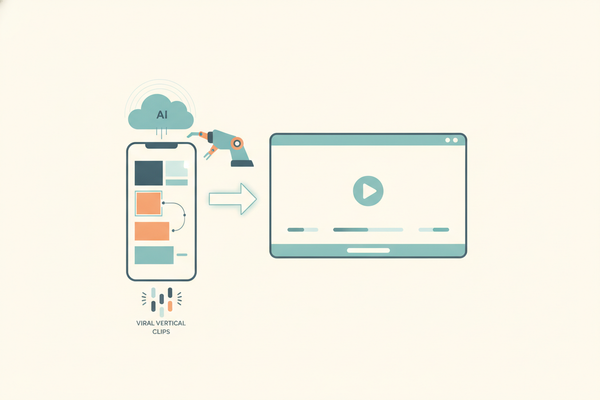
Vidulk is an AI-powered video clipping app designed specifically to transform any long video—such as podcasts, interviews, or lectures—into ready-to-post vertical clips optimized for social platforms.
Its advanced AI analyzes video content to detect the most engaging moments based on factors like speech patterns, volume changes, and facial expressions (if available). It automatically adds captions, ensuring accessibility and engagement even when videos are watched without sound.
Vidulk formats videos specifically for TikTok, Instagram Reels, YouTube Shorts, and other vertical platforms, adjusting aspect ratios, frame rates, and lengths to match each platform’s best practices.
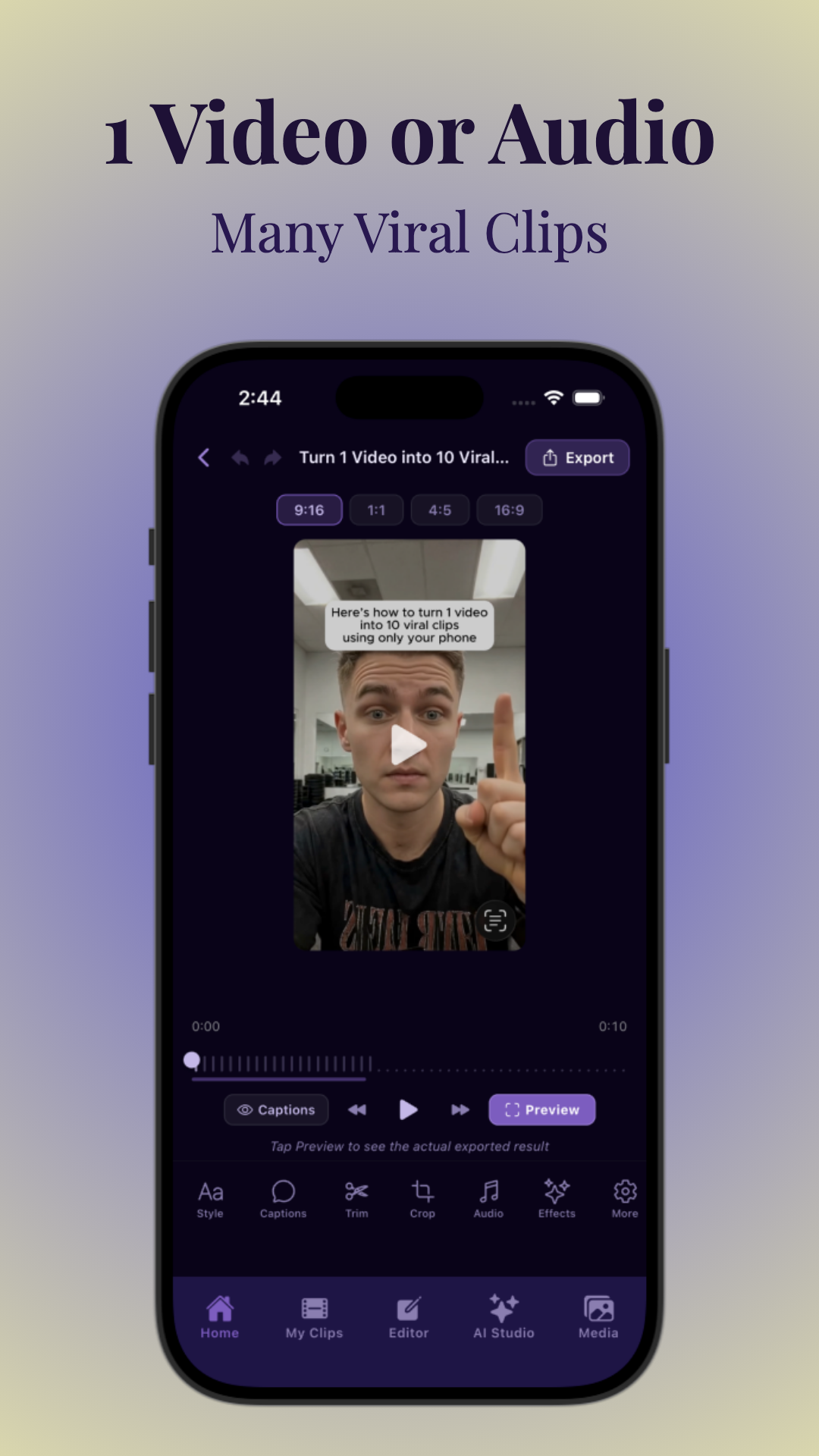
This automation drastically cuts editing time from hours to minutes, enabling creators to publish more consistently and focus on storytelling and experimentation.
Tips for Effective Repurposing
- Focus on high-impact soundbites that deliver emotional resonance, humor, or valuable insights.
- Include visually interesting elements or add motion graphics to maintain viewer interest.
- Add engaging captions and clear calls to action like "Watch full episode" or "Follow for more."
- Test different clip lengths within the 15 to 60-second range to find the optimal duration for your audience and platform.
- Batch process your content to create a library of clips for future posting, smoothing out content calendars.
- Customize thumbnails and titles for each clip to improve click-through rates.
For podcasters, our detailed guide How to Post More Content and Grow: The Ultimate Repurposing Guide offers strategies on selecting moments, captioning best practices, and distribution tips.
Conclusion
Mastering short form video content ideas requires a blend of creativity, strategy, and efficient tools. Whether you’re producing faceless YouTube videos or riding viral TikTok trends, diversifying your formats keeps your audience engaged and growing steadily. Consistent ideation depends on a thorough understanding of your audience, leveraging proven hooks, and rotating content themes for freshness.
Tools like Vidulk simplify the technical side of short form video production by automating vertical formatting, clipping, and captioning from long videos and podcasts. This frees creators to focus on storytelling, experimentation, and community engagement.
By applying the formats and tips outlined here, you can build a powerful short form video presence that drives views, shares, and conversions while optimizing your content creation workflow.
FAQ
Q: What are the best short-form video content ideas for businesses?
A: Businesses should focus on behind-the-scenes clips to showcase company culture, product demos to highlight features, customer testimonials for social proof, quick tips that educate, and trending formats to engage new audiences. Combining these approaches builds trust and drives conversions.
Q: How do I come up with short-form video ideas for my niche?
A: Start by understanding your audience’s pain points and interests through comments and surveys. Monitor trends using social listening and competitor analysis. Develop content pillars aligned with your brand and rotate themes. Use creative frameworks like storytelling arcs or "what if" scenarios to generate fresh ideas consistently.
Q: What types of short-form videos get the most views?
A: Videos with compelling hooks, trending audio, educational micro-lessons, emotional transformations, and social proof typically garner high engagement. Clear captions and dynamic visuals help capture attention and improve retention.
Q: How long should a short-form video be?
A: Generally, keeping videos between 15 and 60 seconds works best. Platforms like TikTok and Instagram Reels favor 15-30 seconds for maximum engagement, but slightly longer clips can work if the content remains compelling.
Q: What should I post on YouTube Shorts or TikTok every day?
A: A daily mix of educational tips, behind-the-scenes clips, trending challenges, user-generated content, and quick entertaining stories keeps your feed fresh and engaging. Consistency paired with variety helps grow and retain your audience.
Q: How can I turn one long video into multiple short-form clips?
A: Use AI-powered tools like Vidulk to automatically detect and extract the best moments, add captions, and format videos for vertical platforms. This process saves hours of manual editing and helps maintain consistent posting schedules.