
How Often Should You Post Short Videos to Grow
Discover how often you should post short videos to grow your audience, plus tips on consistency, batching, and repurposing content for viral clips.


Estimated reading time: 18 min
Key Takeaways
- Posting 3–5 short videos weekly balances growth and sustainability for most creators, providing enough content to engage audiences consistently without overwhelming production.
- New channels benefit from higher frequency (5–7 posts per week) to build initial traction and algorithmic momentum; established creators should focus on consistency and quality to maintain and grow their audience.
- Content batching and repurposing long videos into multiple clips streamline workflow, save time, and boost output without sacrificing quality.
- Consistency beats sporadic volume; tracking retention, views, and engagement metrics over time helps optimize posting cadence tailored to your audience and content style.
- Adjust posting frequency based on niche characteristics, content type, and audience feedback to maximize growth; for example, trending content requires faster posting compared to educational niches.
Table of Contents
- Section 1: Ideal Posting Frequency for Short Videos
- Section 2: Posting Frequency by Creator Stage
- Section 3: Niche and Content Type Impact on Posting
- Section 4: Consistency vs Quantity in Posting
- Section 5: Content Batching and Repurposing Workflow
- Section 6: Metrics to Track and When to Adjust Posting Frequency
- Conclusion
- FAQ
Section 1: Ideal Posting Frequency for Short Videos
Recommended Cadence for Growth
When asking how often should you post short videos to grow, the most common recommendation is to post between 3 to 5 short videos per week. This cadence strikes a balance between maintaining steady audience engagement and managing creator workload, allowing for thoughtful content creation without rushing.
Posting 3 to 5 times weekly provides frequent touchpoints with your audience, keeping your channel active within algorithmic feeds and improving chances for your videos to be discovered. This frequency supports building a habitual viewing pattern among followers, which is key for sustained growth.
Why Not Just Post Daily?
Daily posting is often promoted as the fastest growth strategy on platforms like YouTube Shorts and TikTok, but it comes with tradeoffs. While daily or multiple daily posts can increase visibility, they demand a robust and scalable content creation system to maintain quality.
If creators rush production to meet daily quotas, the risk of lower video quality rises, which can lead to poor viewer retention and reduced engagement—both of which negatively impact growth. Furthermore, daily posting can lead to creator burnout, reducing long-term sustainability.
Consider these points:
- 3–5 posts/week is ideal for most solo creators balancing quality and consistency.
- Daily posting suits creators with teams or highly efficient workflows capable of producing quality content rapidly.
- Less than 3 posts/week may cause slower growth and less algorithmic favor due to reduced fresh content.
Scaling Posting Frequency
Start with a manageable schedule—such as 3 posts per week—and monitor your ability to maintain quality and consistency. If performance metrics are strong and you have capacity, you can gradually increase posting to 4 or 5 times weekly.
Avoid sudden spikes in posting frequency, as platforms typically favor regular, steady activity over bursts of high volume followed by inactivity. For example, if you jump from 3 to 10 posts in one week and then drop off, algorithmic momentum may suffer.
Use incremental increases—adding one extra post every couple of weeks—while carefully tracking retention and engagement to ensure quality is not compromised.
Section 2: Posting Frequency by Creator Stage
New Channels Need More Volume
For new creators seeking to build an initial audience, posting more frequently—around 5 to 7 shorts weekly—is advantageous. This higher volume generates multiple data points for the algorithm to evaluate, helping surface your content to the right viewers.
At this stage, experimentation is essential. Testing different formats, hooks, and topics across multiple videos allows you to identify what resonates best. For example, a new cooking channel might try recipe demos, kitchen hacks, and ingredient spotlights to see which perform better.
This experimentation benefits from high volume in a short time frame to gather statistically meaningful insights.
Established Channels Focus on Consistency
Channels with an existing audience typically shift focus from rapid volume to consistent, high-quality content delivery. Their goal becomes maintaining engagement and nurturing community trust.
Established creators often find a sweet spot at 3 to 5 posts per week, allowing time for in-depth editing, strategic content planning, and audience interaction (e.g., responding to comments). This cadence supports refining and optimizing content types based on previous successes.
For instance, a fitness coach with thousands of followers may post 4 times weekly, mixing workout clips, nutrition tips, and motivational content, ensuring variety while maintaining quality.
Teams and Studios Can Post Multiple Times Daily
Creators with teams or studio workflows can scale posting to daily or multiple times per day. Teams benefit from division of labor—scriptwriting, filming, editing, and captioning can occur in parallel—enabling faster turnaround without sacrificing quality.
This approach suits brands, media companies, or large influencer groups aiming for rapid audience growth and brand visibility. For example, a studio producing lifestyle content may post 3 clips daily, utilizing batch-filming with multiple creators.
However, even teams should monitor metrics to avoid saturating their audience or lowering engagement per video.
- New channels: 5–7 posts/week to accelerate growth and experimentation.
- Established channels: 3–5 posts/week for steady engagement and quality.
- Teams/studios: Daily or multiple daily posts feasible with coordinated workflows.
Section 3: Niche and Content Type Impact on Posting
Trending and Meme Content
Trending niches—such as memes, pop culture, and viral challenges—require rapid, frequent posting to capitalize on fast-moving trends. The shelf-life of such content is often brief, with audience interest peaking quickly and fading within days.
Creators in these niches may post daily or multiple clips daily to maintain relevance and catch waves of virality. For example, a meme account might post 2–3 videos per day reacting to trending topics or viral sounds.
This high-frequency posting ensures fresh content aligns with current trends, maximizing discoverability and shareability.
Educational and Finance Niches
Channels focusing on education, finance, or deep-dive topics typically benefit from fewer, higher-quality clips weekly. Their audience values depth, clarity, and credibility over volume.
Posting 2–4 well-crafted videos per week allows creators to research, script, and edit content that provides meaningful value. For example, a personal finance channel might post 3 videos weekly covering budgeting tips, investment strategies, and market updates.
This pacing helps maintain trust and authority, as rushed or frequent low-quality posts might dilute perceived expertise.
Lifestyle and Personal Brand Content
Lifestyle creators can find a sweet spot with 3–5 posts weekly, mixing personal stories, practical tips, and behind-the-scenes glimpses. This frequency supports authentic connections without overwhelming viewers.
For example, a travel vlogger might post four times a week: two videos showing destination highlights, one with packing tips, and another sharing travel mishaps or personal reflections.
This variety keeps content fresh and relatable while maintaining viewer interest.
- Trending/memes: high frequency, daily or more to capitalize on fast trends.
- Education/finance: lower frequency, focus on quality and depth.
- Lifestyle: moderate frequency, balance authenticity and volume.
Section 4: Consistency vs Quantity in Posting
Why Consistency Matters Most
Algorithms on platforms like TikTok and YouTube Shorts reward consistent posting because it signals reliability and keeps viewers returning. Regular posting helps maintain channel momentum and ensures your audience knows when to expect new content.
Sporadic high-volume posting—such as posting 10 videos in one day then going silent for a week—can cause algorithmic penalties or audience fatigue. The algorithm may deprioritize your content due to perceived unreliability or viewer disengagement.
Consistency also helps creators build constructive habits, improving content quality over time.
Quality Over Quantity Tradeoffs
Posting too frequently with low-quality clips can reduce viewer retention and engagement, harming channel growth. For example, a creator posting 7 rushed, unedited videos weekly may see declining watch times and fewer likes.
Conversely, publishing fewer but well-edited, engaging clips tends to perform better long term. High-quality content invites shares, repeat views, and subscription growth.
Creators should assess their workflow capabilities and avoid sacrificing quality for volume.
Finding Your Sustainable Baseline
Identify a posting schedule that you can maintain without burnout or quality loss. This baseline might be 3 posts per week initially, then scaling up as you refine your workflow and content quality.
Maintaining this sustainable rhythm supports long-term channel health and steady audience growth.
- Prioritize consistent posting over random bursts for algorithm favor.
- Maintain high content quality to maximize viewer retention and engagement.
- Scale posting frequency sustainably to avoid burnout and quality dips.
Section 5: Content Batching and Repurposing Workflow
The Power of Content Batching
Batching content involves creating multiple clips or videos in one recording or editing session, rather than producing content daily. This method significantly improves efficiency by minimizing setup time, reducing decision fatigue, and enabling focused editing sessions.
For example, a creator might film 5 short videos in one afternoon and then spend a separate session editing and captioning them. This approach supports consistent output while reducing daily pressure.
Batching also helps maintain thematic cohesion and creative flow, as creators can focus on a particular topic or style in each session.
Repurposing Long-Form Video Into Multiple Clips
Repurposing one long podcast, interview, or lecture into many short clips is a proven growth tactic. This approach maximizes content value by extracting multiple shareable moments from a single recording.
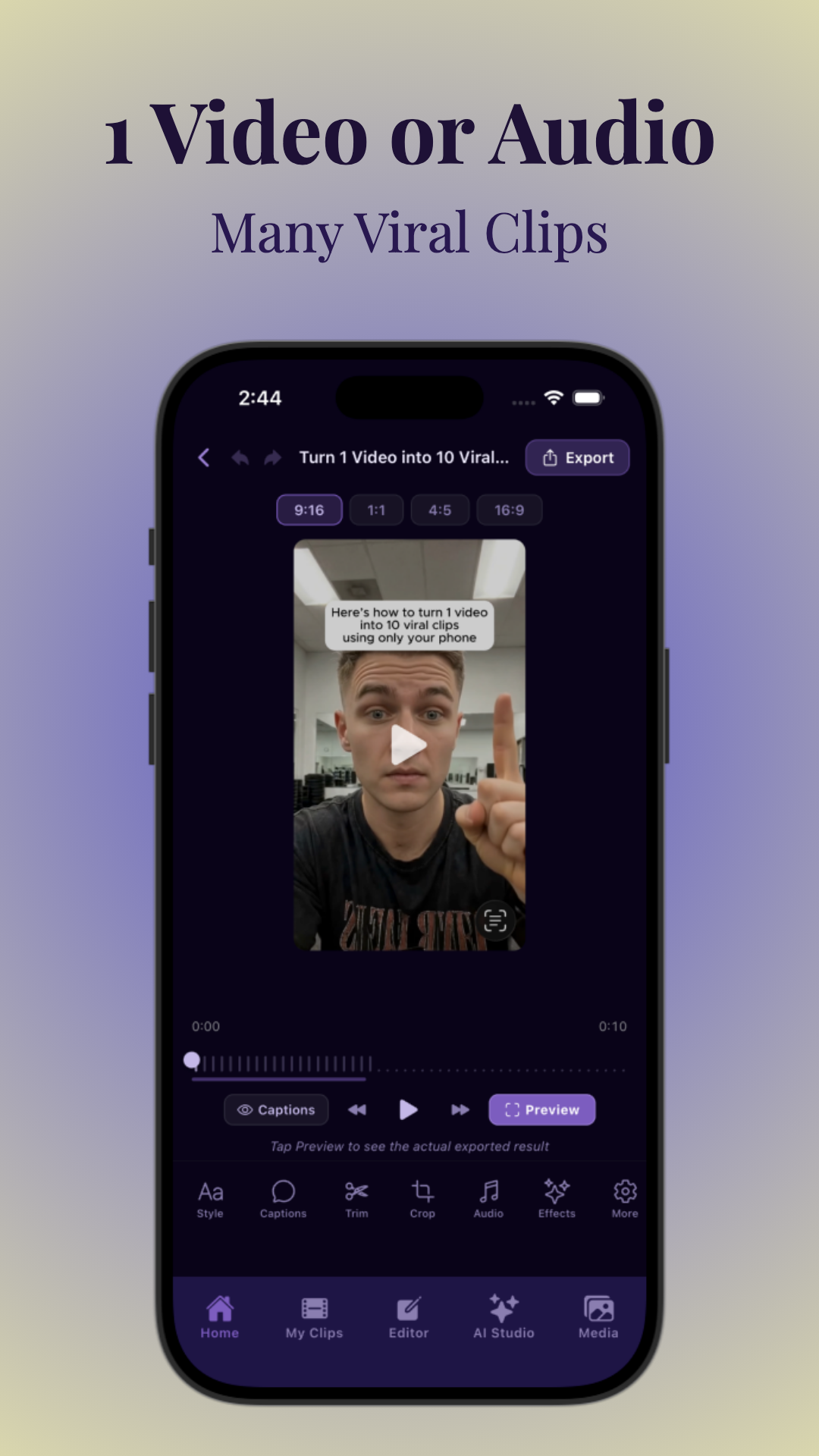
With AI video clipping apps like Vidulk, creators can quickly identify viral moments—key soundbites, highlights, or punchlines—automatically clip them, add captions, and format vertical, mobile-optimized shorts.
This process not only saves time but also ensures clips are optimized for platform algorithms favoring short, engaging content.
Optimizing Your Content Creation Workflow
- Upload long videos or podcasts to AI clipping apps like Vidulk to generate multiple short clips efficiently.
- Batch edit and caption clips in one session, leveraging AI tools to speed up workflows and ensure accessibility.
- Schedule posts using native platform tools (e.g., YouTube Studio, TikTok Scheduler) or social media managers like Buffer or Hootsuite to maintain consistent timing and audience expectations.
Leveraging AI tools reduces manual labor, allowing creators to focus on ideation and engagement rather than repetitive editing tasks.
Learn more about the technical side of this workflow in our detailed guide on AI video clip generation, which covers step-by-step processes, recommended tools, and best practices for maximizing content reuse.
Section 6: Metrics to Track and When to Adjust Posting Frequency
Key Metrics to Monitor
When evaluating how often you should post short videos to grow, track these key performance indicators over time to assess content effectiveness and audience response:
- Retention: The percentage of viewers watching your clips to the end is a critical indicator of content engagement and relevance. Platforms prioritize videos with high retention.
- Views per Impression: This ratio shows how often your clips convert impressions into views, reflecting the effectiveness of thumbnails, titles, and hooks.
- Engagement: Likes, comments, shares, and saves indicate viewer interaction and content virality potential. High engagement signals to algorithms that your video should be promoted more widely.
How Long to Test a Posting Schedule
Give any new posting cadence at least 6 to 8 weeks to collect meaningful data. Algorithm learning curves and audience adaptation require time before performance trends stabilize.
During this period, avoid making drastic changes to allow for consistent measurement. Use tools like YouTube Analytics or TikTok Pro Dashboard to monitor trends and identify patterns.
When to Adjust Frequency
If retention or engagement drops as you increase volume, it may be time to scale back posting frequency to avoid overwhelming your audience or diluting content quality.
Alternatively, if metrics improve and you have capacity, consider incrementally increasing posting frequency to accelerate growth.
Also consider creator workload and burnout signs; sustainable pacing is crucial for long-term success.
- Track retention, views/impression, and engagement closely to identify optimal posting frequency.
- Test posting schedules for at least 8 weeks before major changes to collect reliable data.
- Adjust frequency based on data trends, audience feedback, and creator capacity.
Conclusion
Understanding how often should you post short videos to grow involves balancing frequency, consistency, content quality, and niche demands. Most creators find posting 3–5 times weekly optimal, scaling up or down based on stage, workflow, and audience response.
Employing content batching and repurposing workflows is key to sustaining output without burnout. Tools like Vidulk streamline this process by automatically clipping and captioning your long videos into viral-ready shorts, helping you maintain a consistent posting schedule effortlessly.
Remember, consistency is king—regular posting with engaging clips will grow your channel faster than sporadic bursts of volume. Monitor your metrics diligently and adjust your posting cadence thoughtfully to maximize growth potential and maintain creator well-being.
FAQ
Q: How many short videos should I post per week to grow faster?
A: Aim for 3 to 5 short videos per week as a balanced starting point. New channels may post 5 to 7 to build momentum quickly, while established creators often find 3 to 5 works best for steady, sustainable growth.
Q: Is it better to post one short video every day or several per week?
A: Both strategies can work, but consistency matters more than sheer volume. Posting daily suits creators with efficient workflows and teams, while several posts per week is more sustainable for most solo creators.
Q: Does posting more short videos actually help you grow on YouTube Shorts?
A: Increasing volume can help up to a point, but only if quality and engagement remain high. Excessive posting with low-quality clips may reduce retention and harm growth.
Q: How often should a new channel post short videos?
A: New channels should post more frequently—around 5 to 7 clips weekly—to build momentum, test content formats, and gain algorithmic traction.
Q: How do I know if I’m posting short videos too often?
A: Monitor audience retention, engagement, and your own capacity. Drops in these metrics, lower watch times, or creator burnout often indicate posting too frequently.
Q: Should I change posting frequency based on my niche or content type?
A: Yes. Trending and meme content benefits from higher frequency to stay relevant, while educational or finance niches often perform better with fewer, high-quality posts.
For more on optimizing your content creation and repurposing workflow, check out this in-depth guide on AI clip generation and explore how Vidulk can simplify your video clipping process.
Free to start
Try the Vidulk app
Everything in this guide, in your pocket.
Get it on iPhoneGet it on Android