How to Create Daily Content from Long Videos
Learn how to create daily content from long videos with batching, repurposing, and viral clip strategies using Vidulk’s AI tools.


Estimated reading time: 12 min
Key Takeaways
- Repurpose one long video into multiple short clips for daily posting.
- Use AI tools like Vidulk to auto-detect viral moments and streamline editing.
- Batch content creation to save time and maintain consistency.
- Optimize clips for platform-specific formats like TikTok and Instagram Reels.
- Create a content calendar to plan and schedule posts effectively.
Consistently posting engaging content is key to growing your audience, especially on platforms like TikTok, Instagram, and LinkedIn. But creating daily videos from scratch can be overwhelming. That’s why learning how to create daily content from long videos is a game-changer for creators and marketers alike. By repurposing one source video into multiple bite-sized clips, you can maximize your content’s reach without burning out.
In this guide, we’ll walk through a step-by-step workflow to turn any long video—podcast, interview, lecture, or webinar—into a steady stream of viral-ready clips. We’ll also cover batching, AI tools, platform formatting, and posting strategy to help you post more consistently and grow your presence.
Step 1: Choose the Right Long Video to Repurpose
Start by selecting a high-quality, value-packed long video that can serve as a rich source of content. This could be a podcast episode, an in-depth interview, a lecture, or any video lasting 30 minutes or more with diverse topics or insights.
Look for videos that:
- Have multiple interesting segments or stories.
- Include clear audio and good visuals.
- Feature engaging speakers with varied emotions and moments.
Choosing the right anchor video ensures you have plenty of material to mine for daily clips without repeating topics too often.
Step 2: Identify Clip-Worthy Moments Using AI Tools
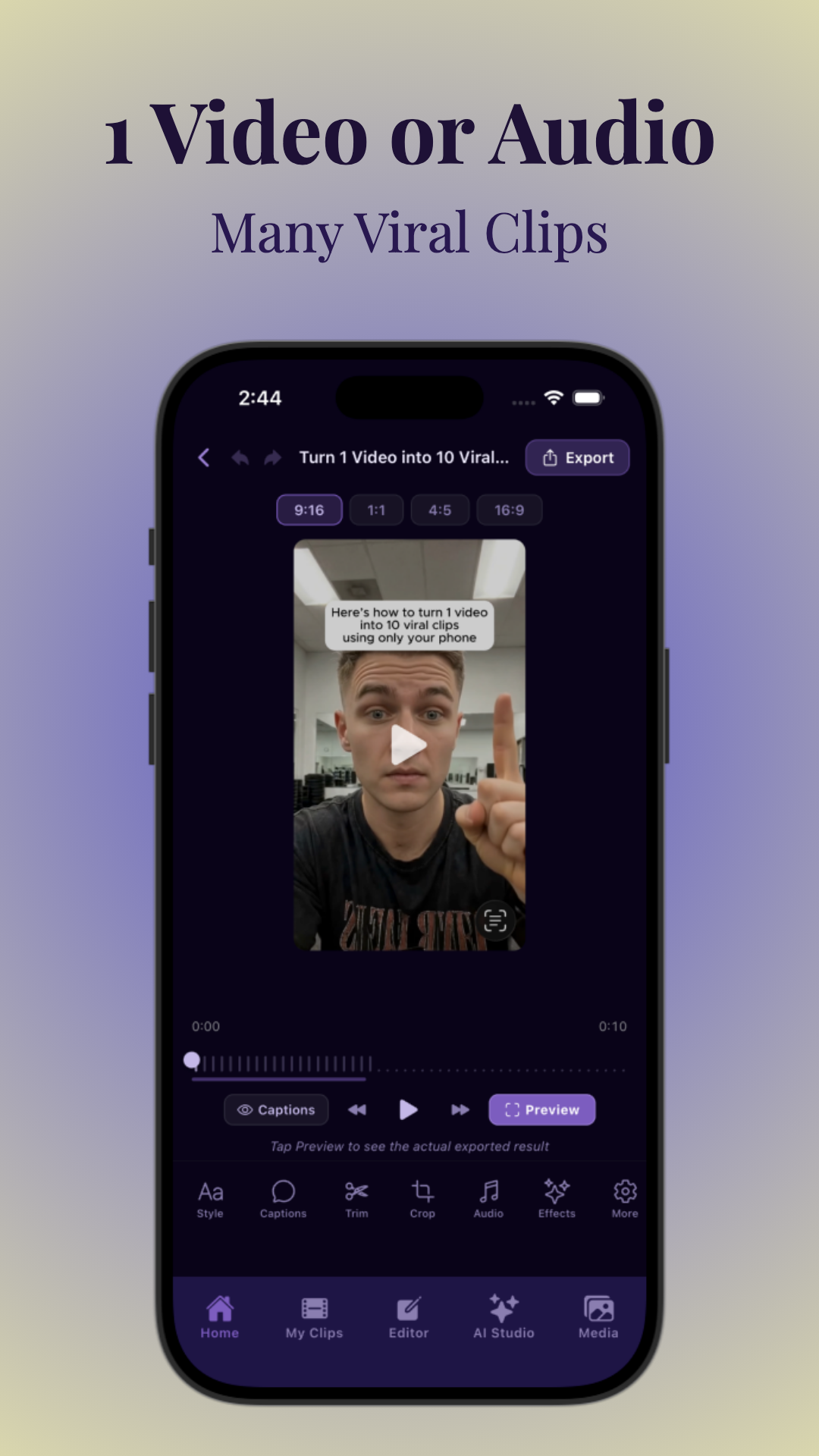
Manually scanning hours of footage is time-consuming. Instead, leverage AI-powered tools like Vidulk that automatically analyze transcripts, timestamps, and theme tagging to surface the best moments for clips.
Vidulk’s AI can:
- Detect highlights based on speaker energy, keywords, and engagement potential.
- Generate vertical, captioned clips optimized for social media.
- Suggest multiple versions of clips with different lengths and styles.
This automated approach saves hours of editing and ensures your clips have viral potential. Learn more about the AI clip generation process in our AI Clip Generator guide.
Step 3: Turn One Video into Multiple Formats
Repurposing isn’t just about chopping a video into shorts. To maximize reach, create diverse content formats from the same source material:
- Short clips (15-60 seconds) for TikTok, Instagram Reels, and YouTube Shorts.
- Text-based posts or quote cards using compelling statements from the video.
- Carousels highlighting key points or step-by-step breakdowns.
- Highlight cuts combining several clips around a subtopic.
Vidulk’s in-app AI studio can also enhance clips with images and captions to diversify your posts further.
Step 4: Write Engaging Hooks, Captions, and CTAs
Each clip needs a hook to grab attention, a caption that adds context, and a clear call-to-action (CTA) to drive engagement. Here’s how to craft these elements efficiently:
- Hooks: Use intriguing questions, bold statements, or relatable pain points.
- Captions: Summarize the clip’s value or share additional insights.
- CTAs: Invite viewers to comment, follow, visit a link, or share.
Vidulk offers a free hook generator to spark ideas and speed up your writing process.
Step 5: Format Clips for Platform-Specific Requirements
Different social platforms have unique video specs and audience behaviors. Tailor your clips accordingly:
- TikTok & Instagram Reels: Vertical 9:16 aspect ratio, 15–60 seconds, engaging captions and trending sounds.
- YouTube Shorts: Vertical format, under 60 seconds.
- LinkedIn: More professional tone, subtitles, and square or vertical formats.
Vidulk automatically formats clips for each platform, ensuring your content looks polished and optimized without extra hassle.
Step 6: Build a Batch Content Creation Workflow
Batching is crucial to maintaining consistency without daily stress. Dedicate focused sessions to edit, organize, export, and schedule content all at once.
Your batching workflow could look like this:
- Upload or paste the long video into Vidulk.
- Let AI generate multiple clip suggestions.
- Review and customize clips, hooks, and captions.
- Export finalized clips in platform-specific formats.
- Schedule posts using your preferred social media management tool.
This approach saves time and builds a content backlog that you can use to post daily or several times per day.
Step 7: Create a Content Calendar to Plan Posting
Planning your posting schedule ensures your content is spaced out for maximum engagement and growth. Use a content calendar to:
- Map clips by content pillars, micro-topics, or audience questions.
- Schedule posts to match peak engagement times on each platform.
- Track performance and adjust future content accordingly.
Repurposing one video across days or weeks keeps your audience engaged without constantly needing new recordings.
Step 8: Maintain Consistency with Templates and Naming Systems
Consistency helps build brand recognition and simplifies your workflow. Consider:
- Using clip and caption templates for faster editing.
- Applying consistent branding elements like colors, fonts, and logos.
- Implementing a clear naming system for clips to stay organized.
- Leveraging auto-scheduling features in Vidulk or your social tools.
These habits reduce errors and keep your content production smooth as you scale.
Tips & Common Mistakes
- Tip: Focus on audience questions and trending topics for clip selection to boost viral potential.
- Tip: Test different hooks and captions to see what resonates best.
- Mistake: Posting irregularly or without a plan can hurt growth—batch and schedule to avoid this.
- Mistake: Ignoring platform format differences can reduce engagement—always tailor your clips.
Conclusion
Learning how to create daily content from long videos unlocks tremendous growth potential without overwhelming your schedule. By choosing the right video, using AI tools like Vidulk to identify viral moments, batching your workflow, and tailoring clips for each platform, you can post more consistently and increase your chances of going viral.
Start with one long video and watch it transform into a steady stream of engaging, shareable clips that grow your audience day after day.
FAQ
How do I turn one long video into multiple short-form clips?
Use AI clipping tools like Vidulk to automatically detect engaging moments and generate multiple short clips optimized for social platforms. Then, customize captions and formats for each clip.
What is the best way to find good clip moments in a long video?
Leverage AI-powered transcript analysis, timestamps, and theme tagging to identify highlights that have emotional peaks, clear messaging, or viral potential.
How many shorts can I make from one long video?
Depending on the video length and content diversity, you can create dozens of short clips ranging from 15 to 60 seconds each, covering different topics or questions.
What tools can repurpose long videos into daily content automatically?
Apps like Vidulk use AI to clip, caption, and format videos automatically, streamlining the repurposing process for daily posting.
How do I write hooks and captions for repurposed video clips?
Focus on crafting engaging hooks that grab attention, concise captions that add context, and clear CTAs. Use tools like Vidulk’s Hook Generator to assist.
How do I schedule repurposed content across different platforms?
Create a content calendar mapping posts by platform and timing, then use scheduling tools to automate publishing and maintain consistent posting cadence.