AI Audio Mixing Tool for Video Clips: Achieve High-Quality Audio
Discover how an AI audio mixing tool for video clips can automate audio enhancements like noise reduction and EQ for faster, consistent results.

Estimated reading time: 6 minutes
Key Takeaways
- AI-driven tools automate noise reduction, EQ, and balance for professional sound.
- Machine-learning models detect audio flaws and apply real-time fixes.
- Rapid, consistent post-production workflow reduces costs and manual effort.
- Practical applications span YouTube creators, filmmakers, marketers, and podcasters.
- Future trends include explainable AI, end-to-end suites, and reference-based mixing.
Table of Contents
- Introduction
- What Is an AI Audio Mixing Tool for Video Clips?
- Definition
- Underlying Technology
- Evolution: Traditional vs. AI-Driven
- How an AI Audio Mixing Tool for Video Clips Works
- Benefits of AI Audio Mixing Tools
- Practical Applications
- Comparing AI vs. Traditional Audio Mixing
- Future Trends of AI Audio Mixing
- Conclusion
- FAQ
Introduction
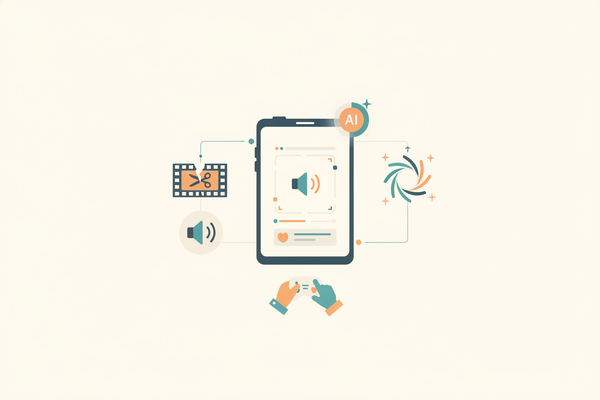
High-quality audio elevates a video from amateur to professional, keeping viewers fully engaged. An AI audio mixing tool for video clips harnesses machine learning to automate tasks like noise reduction, leveling, EQ, dialogue enhancement, and music-voice balance. This guide dives into how these tools work, their benefits, real-world use cases, and a glimpse at what lies ahead for video post-production.
Many creators already rely on intelligent platforms to repurpose and refine their clips. For example, Vidulk - AI Video Clipping App combines on-device AI Studio with seamless audio enhancement to deliver ready-to-publish segments in minutes.
What Is an AI Audio Mixing Tool for Video Clips?
Definition
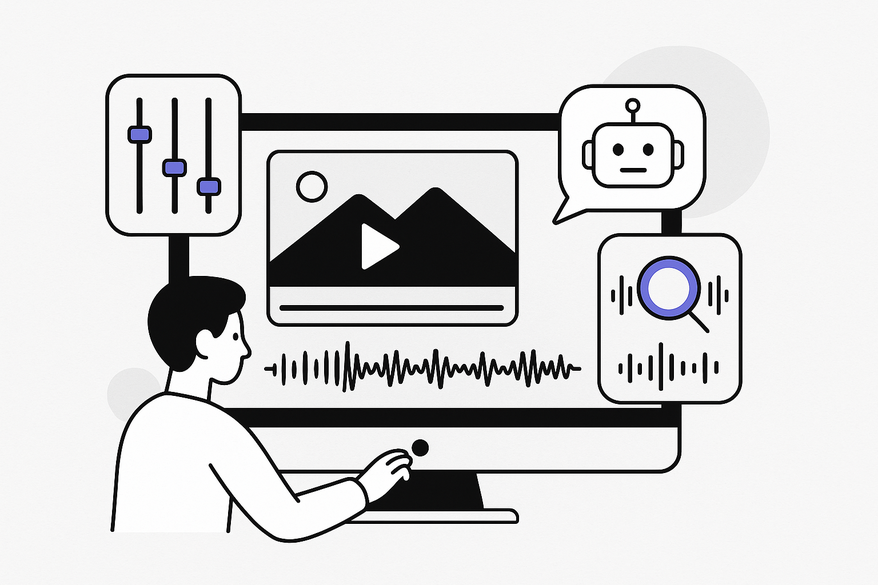
- An AI audio mixing tool analyzes your video's audio track and applies intelligent processing to enhance clarity, balance, and consistency.
- It automates noise removal, dialogue leveling, equalization, and music-voice blending so creators focus on storytelling instead of manual faders.
Underlying Technology
- Machine-learning audio models trained on vast datasets of speech, music, and ambient sounds.
- Algorithms detect noise floors, harsh frequencies, reverb, and volume imbalances.
- AI decision-making guides noise suppression, EQ shaping, and dynamic control.
Evolution: Traditional vs. AI-Driven
- Manual Mixing: Engineers listen, adjust faders, apply plugins, and fine-tune by ear.
- AI-Driven: Automated analysis and one-click enhancements speed up first-pass mixing.
- Hybrid Workflows: Creators apply AI cleanup, then tweak manually for creative control.
How an AI Audio Mixing Tool for Video Clips Works
Step 1: Analyze
- Detect noise floor, hiss, hum, or background distractions.
- Measure tonal imbalances and harsh frequencies.
- Flag uneven loudness and excessive reverb.
Step 2: Process
- Noise Reduction: Suppress hiss and ambient sounds with spectral filters. For a deeper dive into advanced noise reduction, see our guide on AI noise reduction for video clips.
- EQ Shaping: Boost clarity by attenuating muddy midrange or harsh highs.
- Dynamic Range Control: Use compression to even out loud and soft passages.
- Stereo-Field Balancing: Center dialogue, widen music or effects.
- Dialogue Cleanup: Remove mouth clicks, plosives, and sibilance.
Step 3: Output
- Produce a polished audio mix ready for export into video editors.
- Often requires only minor manual tweaks for creative touches.
Benefits of AI Audio Mixing Tools
- Faster Post-Production – AI tools deliver a first-pass mix in minutes versus hours of manual work.
- Consistency Across Clips – Uniform loudness, clarity, and tonal balance for series, podcasts, and video batches.
- Reduced Manual Intervention – Automated noise reduction, EQ, and dialogue enhancement cut down tedious plugin tweaking. If you're interested in further improving your audio, check out our AI audio enhancer for video clips solution.
- Lower Costs – Browser-based AI tools remove the need for expensive DAW plugins or studio rentals.
Practical Applications
- YouTube Creators – Quick voiceover cleanup and background noise removal for talking-head videos and tutorials.
- Filmmakers & Editors – Consistent dialogue levels across scenes in short films or documentaries.
- Marketing Teams – Audio clarity in ads and social clips boosts engagement and brand perception.
- Podcasters & Narrated Videos – Dialogue enhancement, speaker alignment, and integrated SFX workflows.
Comparing AI vs. Traditional Audio Mixing
| Aspect | AI | Traditional |
|---|---|---|
| Speed | First-pass cleanup in minutes | Hours to dial in noise reduction, compression, and EQ |
| Skill Level | Accessible to non-engineers | Requires audio engineering expertise |
| Consistency | Repeatable results | Varies by engineer skill |
| Control | Guided presets; less granular | Total hands-on control |
Future Trends of AI Audio Mixing
- Explainable AI Audio: Demand for transparency in what changes AI has applied and why.
- End-to-End Creator Suites: Unified platforms combining audio cleanup, voice cloning, music libraries, captions, and video editing. For a comprehensive overview of these innovations, explore our ultimate guide to AI video tools for creators.
- Reference-Based Mixing: Comparison against pro reference tracks for targeted dynamics tweaks.
- Browser-Based Accessibility: Advanced cleanup without installing plugins or studio hardware.
Conclusion
An AI audio mixing tool for video clips automates the core workflow of analyzing, processing, and outputting polished audio. By leveraging machine-learning audio analysis, these tools deliver faster, more consistent results with lower costs and fewer technical barriers than traditional mixing.
Key Benefits Recap:
- Speed: First-pass polish in minutes.
- Consistency: Uniform loudness and balance.
- Cost Savings: Browser-based tools reduce studio expenses.
- Lower Barrier: Non-engineers can achieve professional sound.
Elevate your video audio quality today by embracing AI tools that blend speed, precision, and affordability. Your viewers will hear the difference.
FAQ
- Q: How long does AI audio mixing take per clip?
A: Typically, a first-pass mix completes in under five minutes, depending on clip length. - Q: Can I override AI adjustments?
A: Yes, most tools offer manual controls for EQ, compression, and noise reduction after AI processing. - Q: Do I need special hardware?
A: Browser-based platforms work on standard laptops without high-end audio interfaces. - Q: Are AI mixes as good as a professional engineer?
A: AI excels at consistency and speed; however, seasoned engineers provide deeper creative control for complex projects.