AI Highlight Detection: How AI Finds Viral Moments in Long Videos
Discover how AI highlight detection works, how AI finds viral moments, and best practices for automatic clip and hook detection for content creators in 2026.

Estimated reading time: 15 min
Key Takeaways
- AI highlight detection rapidly identifies viral moments and hooks in long-form videos for content creators.
- Advanced tools analyze transcripts, audio, and visual cues to automate clip selection.
- Semantic coverage and entity optimization are crucial for ranking in AI-driven search results.
- Building topic clusters and internal links based on AI recommendations boosts topical authority.
- AI tools outperform manual methods in uncovering hidden content gaps and maximizing engagement.
Table of Contents
- Section 1: What is AI Highlight Detection?
- Section 2: How AI Finds Viral Moments and Hooks
- Section 3: AI Tools for Automatic Clip Detection
- Section 4: Semantic Coverage and Entity Optimization
- Section 5: Building Topic Clusters and Internal Linking with AI
- Section 6: Manual vs. AI-Powered Content Gap Analysis
- Section 7: Best Practices for AI-Driven Viral Clips
- Section 8: Measuring Topical Coverage and Google's AI Overviews
- Conclusion
- FAQ
Section 1: What is AI Highlight Detection?
Defining AI Highlight Detection
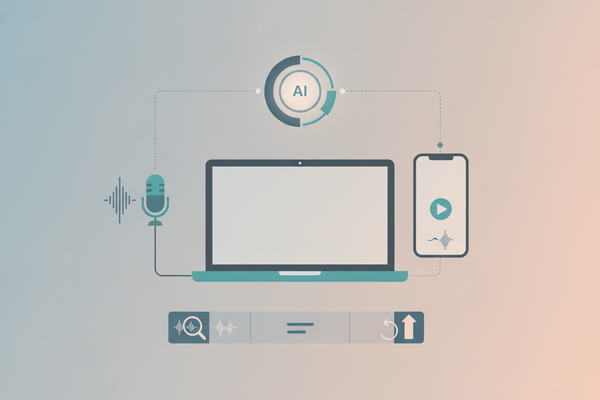
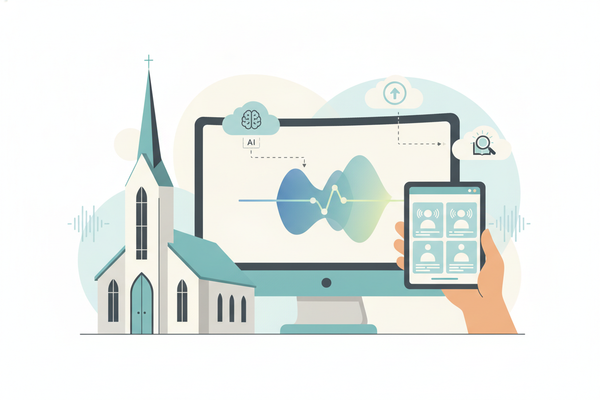
AI highlight detection is the process of using artificial intelligence to automatically identify the most engaging, shareable, or "viral" moments within long-form video or audio content. This could be a podcast episode, interview, webinar, or lecture. Instead of manually skimming hours of footage, creators now rely on advanced AI algorithms to surface the best moments for repurposing as short, attention-grabbing clips.
Core Technologies Behind AI Highlight Detection
- Natural Language Processing (NLP): AI analyzes the transcript for emotional cues, questions, punchlines, or quotable moments.
- Computer Vision: Visual patterns like gestures, facial expressions, and scene changes are detected as potential highlight triggers.
- Audio Signal Processing: Changes in pitch, volume, or pauses help AI flag high-energy or dramatic exchanges.
- User Engagement Data: AI models can factor in past viewer drop-off points or previous viral segments for better predictions.
Why Content Creators Need AI Highlight Detection
With the explosion of video content, audiences expect fast, punchy formats such as Reels, Shorts, and TikToks. AI highlight detection enables creators to:
- Efficiently repurpose long-form material into multiple short clips
- Increase reach and engagement on social platforms
- Focus on content quality rather than manual editing
Tools like Vidulk exemplify how AI can streamline the entire process, from detection to export.
Section 2: How AI Finds Viral Moments and Hooks
Understanding Viral Moment Detection
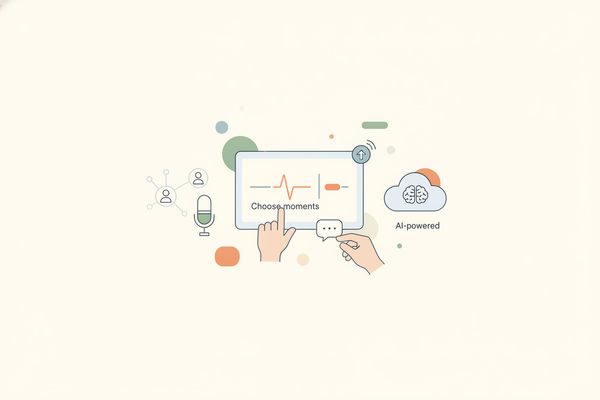
AI highlight detection leverages multiple data streams to identify the "hook"—the precise moment likely to grab a viewer’s attention. Here's how modern AI approaches this challenge:
- Keyword and Sentiment Analysis: Detects emotionally charged or controversial statements, sudden laughter, or applause.
- Topic Segmentation: Breaks the video into thematic sections, isolating potential highlights based on topic changes or high-value information.
- Pattern Recognition: Recognizes repetitive formats (e.g., Q&A, story punchlines) that typically perform well as clips.
Automatic Clip Detection in Practice
Automatic clip detection combines transcript analysis with visual and audio cues. For example, if a podcast guest delivers a punchy story, the AI pinpoints the start and end of that narrative using:
- Transcript time-codes
- Emphasis in speech (e.g., increased volume, enthusiasm)
- Visual cues (smiles, hand gestures)
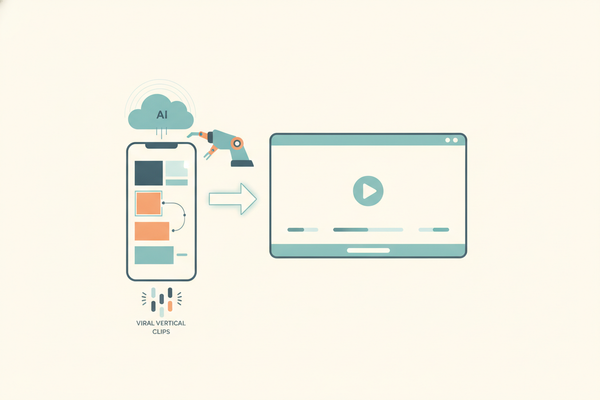
The result: a ready-to-share, vertical-format clip that maximizes retention.
Examples of AI Hook Detection
- Spotting the moment a guest says, “Here’s the secret no one tells you...”
- Extracting a heated debate or a jaw-dropping reveal from an interview
- Identifying the first 3-10 seconds of high-energy dialogue for optimal hooks
Learn more about transforming long videos into viral shorts with AI in our AI Clip Generator guide.
Section 3: AI Tools for Automatic Clip Detection
Leading AI Platforms for Content Creators
Several advanced platforms have emerged to help creators harness the power of automatic clip detection. These include:
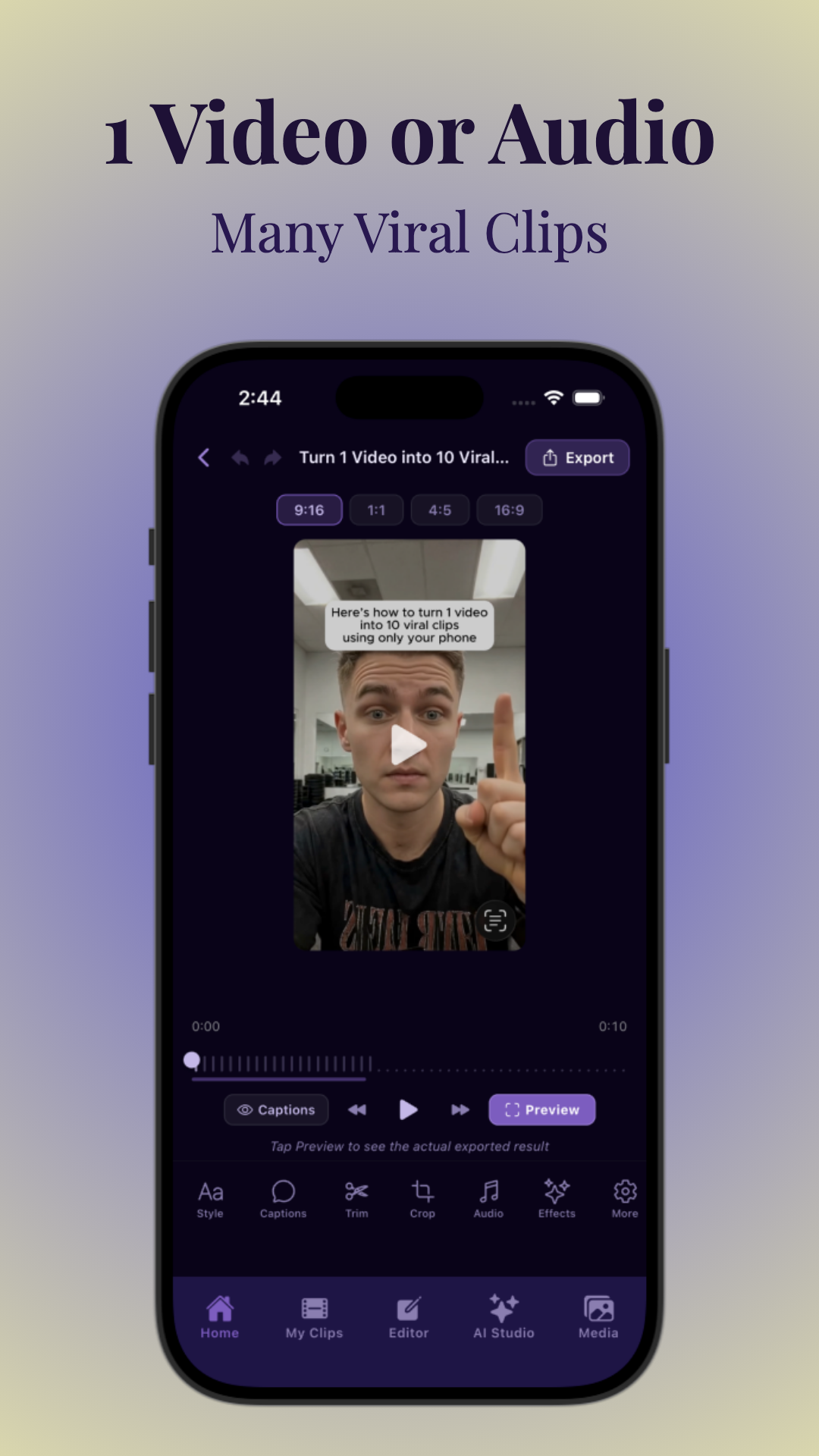
- Vidulk: Specializes in AI-powered video clipping, captioning, and viral moment detection on mobile. Upload or paste a link, and the app generates short, vertical, captioned clips ready for social media.
- Semrush ContentShake: AI-driven platform that analyzes top-ranking content and suggests missing subtopics or hooks for SEO optimization.
- SurferSEO: Identifies semantic gaps, clusters entities, and recommends content enhancements for both text and video.
- OutrankCo: Focuses on semantic richness and topical coverage to surface missed opportunities in content strategies.
Integrating AI Hook Detection into Workflow
Modern AI apps like Vidulk streamline the process:
- Import your long-form video or podcast via upload or URL.
- AI scans the transcript and visuals for the best moments, hooks, and viral segments.
- Preview, edit, and customize captions and formatting.
- Export short clips in mobile-friendly formats for TikTok, Instagram, or YouTube Shorts.
Benefits Over Manual Editing
- Save hours of tedious editing
- Consistent quality and viral potential across all clips
- Focus energy on content creation, not post-production
For step-by-step guidance, see our resource on how to make AI video clips.
Section 4: Semantic Coverage and Entity Optimization
What is Semantic Coverage?
Semantic coverage refers to how thoroughly a piece of content addresses all relevant subtopics, entities, and user questions for a given theme. In the context of AI highlight detection, semantic coverage ensures that your clips and supporting content answer what audiences—and search engines—expect to find.
The Role of Entity Optimization
- Entities: These are key people, places, products, or concepts mentioned in your content. AI tools scan for these and recommend improvements.
- Topic Modeling: AI compares your content to top-ranking results to identify missing entities, FAQs, or supporting facts.
Why Semantic Coverage Matters for AI-First Rankings
Google’s AI Overviews and related search features reward content that demonstrates deep topical authority. Studies show that top-ranking pages cover roughly 74% of all relevant facts and subtopics, while low-ranking pages cover only about 50%. AI-driven clip selection ensures your video content hits these benchmarks by surfacing diverse, authoritative highlights.
For a deeper dive into optimizing video content, check out our article on AI video tone adjustment.
Section 5: Building Topic Clusters and Internal Linking with AI
What Are Topic Clusters?
Topic clusters are groups of related content pieces—such as blog posts, video clips, or FAQs—that collectively address a broad subject in depth. AI highlight detection can help structure these clusters by pinpointing the most relevant subtopics extracted from your long-form source material.
Using AI to Map Subtopics and Internal Links
- AI tools analyze your transcript and video metadata to suggest subtopics, entities, and related questions.
- You can then generate supporting clips or articles around each identified theme, linking them together for stronger SEO and user retention.
- Example: A podcast episode on "Content Creation" could produce clips on "AI hook detection," "automatic clip detection strategies," and "measuring viral video success." Each clip links back to a central pillar page.
Boosting Topical Authority
By covering all AI-highlighted subtopics and interlinking them, your content signals expertise and completeness—qualities Google’s AI Overviews now prioritize. This approach also increases watch time and click-through rates as users explore more of your related content.
Learn more about transforming your workflow with AI in our guide on AI video clip generation.
Section 6: Manual vs. AI-Powered Content Gap Analysis
Manual Content Gap Analysis
Traditionally, identifying content gaps meant:
- Manually reviewing top-ranking competitor videos and articles
- Listing subtopics, FAQ, and hooks they cover
- Comparing these to your own content and noting what’s missing
This is time-consuming, error-prone, and often fails to surface more nuanced or trending hooks.
AI-Powered Gap Detection
Modern AI platforms automate this process by:
- Scraping and analyzing hundreds of top-performing videos and transcripts in seconds
- Highlighting missing subtopics, entities, and semantic gaps
- Recommending new clips or content formats to address these gaps
AI also detects "thin content"—clips or articles that lack depth or fail to address core user questions—helping creators improve topical completeness.
Comparative Advantages
- Speed: AI tools process vast amounts of data instantly.
- Accuracy: Machine learning models recognize subtle trends and user intent.
- Comprehensiveness: AI ensures semantic coverage approaches that top 74% benchmark mentioned earlier.
For insights on using AI to boost clip virality, visit our article on creating viral clips with AI.
Section 7: Best Practices for AI-Driven Viral Clips
Formatting and Editing for Maximum Engagement
The most successful AI-generated clips follow these best practices:
- Start with a strong "hook" in the first 3-5 seconds—AI can help identify these moments.
- Use vertical formats (9:16) with bold, readable captions for social platforms.
- Keep clips concise—generally 30 to 90 seconds.
- Include context or a call-to-action when relevant.
Apps like Vidulk allow you to customize captions, add emojis, and adjust tone to match the target audience.
Answering People Also Ask (PAA) Questions with AI
AI-driven content should address the most common PAA and FAQ surfaced for your topic. By weaving these answers into your clips, you align with Google’s AI Overviews and increase your chances of ranking in featured snippets or short-form answer boxes.
- Identify common questions using SEO tools or AI suggestions.
- Edit or compile clips to directly answer these questions.
- Link related clips and supporting content for further exploration.
Optimizing for Platform Algorithms
- Leverage AI to analyze which moments generate the highest engagement in past uploads.
- Experiment with different clip lengths, hooks, and formats to see what goes viral.
- Iterate quickly with AI-assisted feedback.
For more on AI-driven content strategy, see our article on AI intro generation.
Section 8: Measuring Topical Coverage and Google's AI Overviews
How to Measure Topical Coverage
Topical coverage measures how many of the relevant facts, subtopics, and entities your content addresses compared to what users and search engines expect. AI tools make this process straightforward:
- Analyze top-ranking videos and their transcripts for recurring themes and subtopics.
- Use AI to score your own content against these benchmarks.
- Aim for at least 70-75% coverage for best ranking potential.
How Google’s AI Overviews Select Subtopics
Google’s AI Overviews look for content that:
- Covers a wide range of user questions and related entities
- Provides concise, authoritative answers in multiple formats (text, video, image)
- Links internally to supporting resources and clusters (topic cluster model)
AI highlight detection is essential for surfacing these subtopics within your long-form videos and ensuring your clips directly address user intent.
Content Formats Favored by AI
- Short, vertical video clips with clear hooks
- FAQ and list-based content summarizing key points
- Supporting blog posts and transcripts for added context
By aligning your workflow with these best practices, you maximize your visibility in both organic search and AI-powered recommendations.
Conclusion
AI highlight detection has transformed how creators extract the best moments from long videos, making it possible to generate viral clips in minutes rather than hours. By leveraging AI for automatic clip detection, semantic coverage, and entity optimization, you ensure your content stands out in both social feeds and Google’s AI Overviews. Tools like Vidulk empower creators to tap into these innovations with minimal effort, freeing up more time for creativity and audience engagement. As AI continues to evolve, the key to success will be embracing these tools and continually optimizing for topical depth, hook strength, and platform-specific best practices.
FAQ
Q: What are the best AI tools for detecting missing subtopics in SEO content?
A: Leading tools include Vidulk for video highlight detection, Semrush ContentShake, SurferSEO, and OutrankCo. These platforms analyze transcripts, entities, and competitor data to surface missing subtopics and optimize content for both SEO and engagement.
Q: How does AI highlight detection improve Google rankings in 2026?
A: AI highlight detection ensures content covers more relevant subtopics and entities, addressing what Google’s AI Overviews prioritize. By surfacing viral moments and hooks, creators increase engagement, topical completeness, and the likelihood of ranking in featured snippets and video carousels.
Q: What subtopics do top-ranking pages always cover for a given keyword?
A: Top-ranking pages typically address 70-75% of all relevant facts and subtopics, including user FAQs, semantic entities, and related hooks. They offer comprehensive answers, supporting examples, and internal links to related content clusters.
Q: How can I use AI to find content gaps compared to competitors?
A: AI tools analyze competitor videos and content, highlight missing subtopics, and recommend new topics, clips, or FAQs to fill those gaps. They automate what would otherwise be hours of manual review and comparison.
Q: What is semantic coverage, and why does it matter for AI Overviews?
A: Semantic coverage is the degree to which content addresses all relevant subtopics and entities for a theme. High semantic coverage signals expertise to Google’s AI Overviews, increasing the chances of ranking and being featured in answer summaries and carousels.
Q: How many subtopics should I cover to rank in Google's AI-generated answers?
A: Aim to cover at least 70-75% of the subtopics found in top-ranking pages for your keyword. This usually means addressing the core theme, several related entities, common FAQs, and unique hooks or viral moments surfaced by AI highlight detection.