
How to Post More Content and Grow: The Ultimate Repurposing Guide
Learn how to post more content and grow fast using batching, repurposing, and viral video workflows. The comprehensive guide for creators in 2026.


Estimated reading time: 20 min
Key Takeaways
- Consistent posting is key to social media growth without burnout.
- Batching content and using a clear workflow streamlines production.
- Repurposing long videos into short clips maximizes reach across platforms.
- Engagement and optimization tactics help clips go viral and boost growth.
- Balancing quality and quantity ensures sustainable audience expansion.
Table of Contents
- Section 1: Posting Frequency and Consistency
- Section 2: Creating a Repeatable Content Schedule
- Section 3: Choosing Content Pillars for Focused Growth
- Section 4: Mixing Formats and Repurposing Content
- Section 5: Using Engagement to Boost Reach
- Section 6: Optimizing Clips for Algorithms and SEO
Conclusion
FAQ
Section 1: Posting Frequency and Consistency
Why Posting Frequency Matters
How to post more content and grow starts with understanding posting frequency. Regularly sharing content keeps your audience engaged and signals activity to social media algorithms. Algorithms favor creators who post consistently because it keeps users returning to the platform and engages the community. However, quality can’t be sacrificed for quantity. The goal is to post often enough to stay top of mind without burning out or lowering your content standards.
For example, if you post daily on TikTok but your videos are rushed and lack value, your audience may disengage, and the algorithm may reduce your distribution. Conversely, posting once weekly on LinkedIn but ensuring high-quality, insightful posts can yield strong engagement and growth. Balance is essential.
Finding Your Ideal Posting Cadence
Many creators ask, “Is posting every day necessary to grow?” The answer varies by platform and niche, as well as your resources and goals.
- TikTok: Posting once or twice daily can significantly increase your growth rate. Studies show accounts posting 1-3 times per day gain followers faster due to TikTok’s discovery algorithm favoring frequent content.
- Instagram: 3-5 posts per week combined with regular Stories maintain engagement without overwhelming followers.
- LinkedIn: 2-4 posts weekly focusing on thought leadership and professional insights often perform best.
- YouTube: Weekly or biweekly posting of well-edited long-form videos aligns with audience expectations for in-depth content.
The key is consistency—posting on a predictable schedule that you can sustain long-term. For example, if daily posting is too demanding, committing to three times a week with high-quality posts is better than sporadic bursts.
Tips to Post More Consistently
- Batch your content creation—produce several videos or clips in one session to reduce the need for daily recording.
- Use scheduling tools to automate posting and maintain regularity, such as Buffer, Later, or native platform schedulers.
- Set realistic goals based on your capacity and lifestyle to avoid burnout. Start small and scale up as you find momentum.
- Track your posting performance—regularly review analytics to adjust frequency and content types that resonate most.
For more on building a consistent posting rhythm, check out this workflow for viral clips.
Section 2: Creating a Repeatable Content Schedule
Benefits of a Content Calendar
A repeatable content schedule or calendar helps manage workload and ensures variety. It enables planning around themes, events, and audience interests, reducing last-minute content scramble and stress. By visualizing your posts ahead of time, you can optimize your messaging and maintain a balanced content mix that aligns with your brand goals.
For instance, aligning posts with holidays, industry events, or product launches increases relevance. A content calendar also helps you spot gaps, avoid repetitive topics, and stagger content formats for diverse engagement.
How to Build Your Content Calendar
- Identify your posting days and times based on audience activity insights from platform analytics. For example, TikTok users peak in the evenings while LinkedIn is stronger during weekday mornings.
- Assign content types or pillars to each day for balance — e.g., Motivational Mondays, Tutorial Tuesdays, Q&A Thursdays, etc.
- Include time for repurposing and engagement activities to maximize content value and community connection.
- Use tools like Google Calendar, Notion, or Trello for easy tracking and collaboration, with reminders to keep deadlines on track.
Content Batching Within Your Schedule
Batching is producing multiple pieces of content in one session—recording several videos, clipping highlights, or writing captions together. This approach reduces context switching, which can waste up to 40% of productive time, and increases efficiency. For example, a creator might spend 2 hours filming 5 videos, then 1 hour editing and captioning them, instead of spreading this work daily.
Leverage AI tools like Vidulk to quickly clip and caption long videos into multiple short-form pieces, streamlining your batching process substantially. Vidulk’s AI can automatically identify key moments, add captions accurately, and export platform-optimized clips within minutes, saving hours of manual work. See how Vidulk’s ultimate repurposing workflow can accelerate your content production.
Section 3: Choosing Content Pillars for Focused Growth
What Are Content Pillars?
Content pillars are core topics or themes that define your brand and content strategy. They help maintain focus, attract a targeted audience, and simplify ideation. For example, a fitness creator’s pillars might be strength training, nutrition advice, and motivational stories.
With defined pillars, you can build authority within specific niches and make your content recognizable and coherent, encouraging followers to become loyal subscribers.
Selecting Your Pillars
- Identify 3-5 topics aligned with your expertise and audience interests to balance depth and variety.
- Ensure each pillar can generate diverse content formats like how-to videos, tips, stories, and Q&As.
- Use audience feedback, comments, and analytics to refine pillars over time, focusing on what drives engagement and growth.
- For example, a marketing coach might have pillars like social media strategy, personal branding, and productivity hacks.
How Pillars Support Consistency and Growth
When you consistently post within your pillars, you build authority and trust. Followers know what to expect and are more likely to engage and share your content. It also makes repurposing easier since each pillar can generate multiple clips and content variations, enabling efficient batching.
For example, a pillar on "social media strategy" can produce a long webinar broken down into clips on algorithm tips, content ideas, and engagement hacks. This focused approach prevents content dilution and positions you as a go-to expert.
For a deep dive on structuring your workflow around content pillars, explore this detailed post.
Section 4: Mixing Formats and Repurposing Content
Why Mix Content Formats?
Diverse formats like short videos, images, carousels, stories, live streams, and text posts keep your feed fresh and engage different audience preferences. Not every follower consumes content the same way; some prefer quick clips, others enjoy detailed reading or interactive sessions.
Mixing formats also helps you test what resonates best and adapts to platform algorithms favoring different content types. For example, Instagram values carousel saves, TikTok prioritizes short vertical videos, and LinkedIn favors professional articles.
Repurposing One Video Into Many
Long-form videos, podcasts, or interviews are gold mines for repurposing. A single 60-minute webinar can become 10-20 short clips, each highlighting a key insight, tip, or story. This multiplies your content output without extra recording.
Using AI-powered apps like Vidulk, you can automatically detect the best moments—such as high engagement points, topic shifts, or emotional peaks—and create short, captioned vertical clips ready for posting. Vidulk can also auto-generate captions, translate text, and format clips for multiple platforms simultaneously.
Examples of Repurposing Strategies
- Turn a 60-minute podcast into 10-15 viral clips focusing on different questions or topics covered.
- Convert clips into engaging Instagram Reels, TikTok videos, and YouTube Shorts with platform-optimized durations and aspect ratios.
- Create carousel posts from key quotes, statistics, or steps mentioned in the long video to boost saves and shares.
- Use stories or live sessions to elaborate on clips, answer follower questions, or provide behind-the-scenes insights.
- Compile clips into weekly themed newsletters or blog posts to reach audiences on email and web platforms.
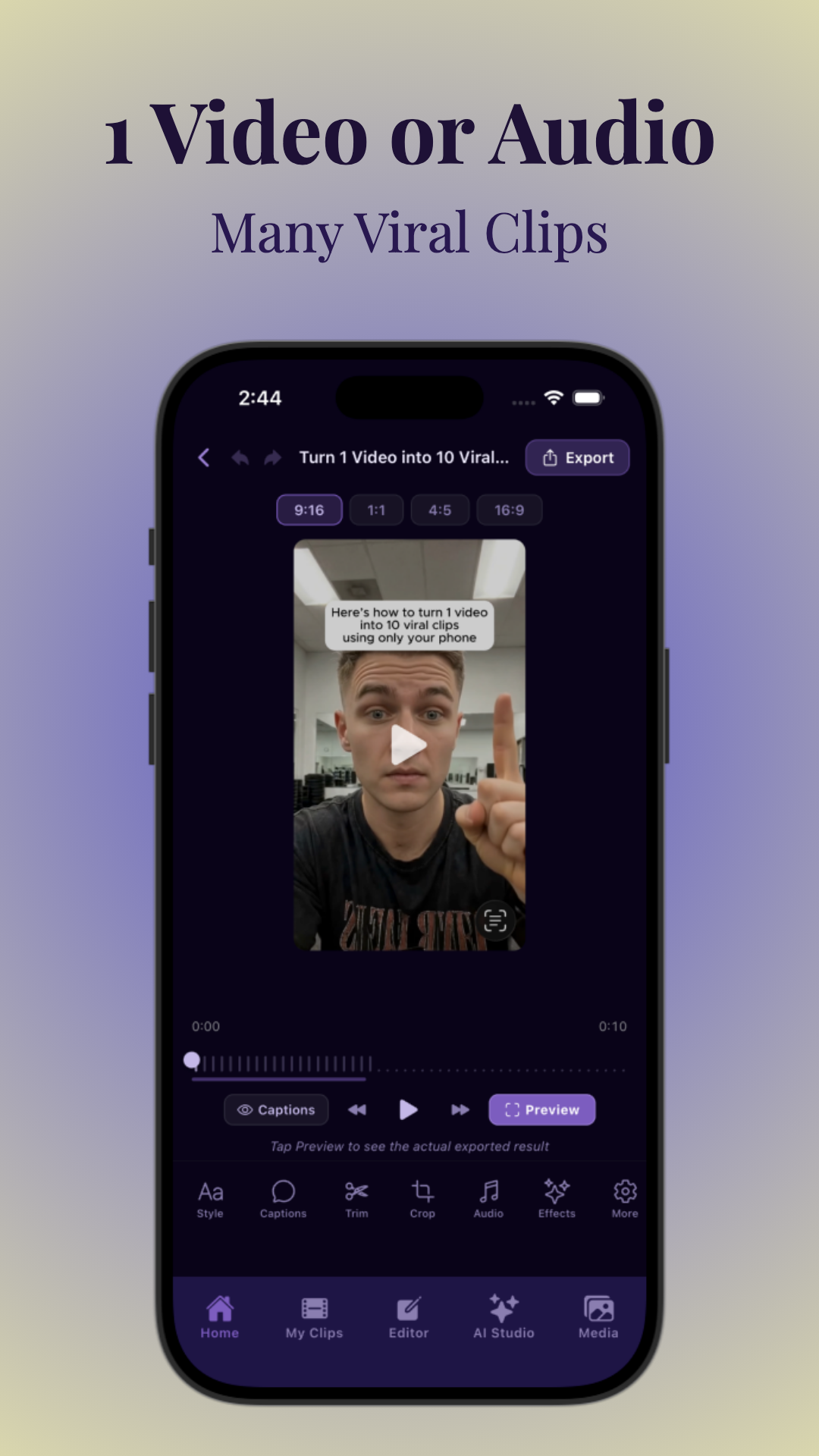
Discover the full potential of repurposing with Vidulk’s ultimate viral clip workflow. Many creators report doubling or tripling their output and engagement after adopting this approach.
Section 5: Using Engagement to Boost Reach
The Role of Engagement in Growth
Comments, replies, DMs, and community interactions increase your content’s visibility on social platforms. Algorithms reward active engagement by showing your posts to more users, considering these signals as indicators of quality and relevance.
For example, TikTok’s For You Page algorithm weighs early engagement heavily, so initial comments and shares can trigger wider distribution. Instagram also prioritizes posts with higher saves, comments, and shares.
Strategies to Encourage Engagement
- Ask questions or add CTAs in captions to invite comments, e.g., "What’s your biggest challenge with X?" or "Tag a friend who needs to see this."
- Respond promptly to comments and messages to build relationships and encourage ongoing conversations.
- Use interactive features like polls, quizzes, and live Q&A sessions to foster two-way communication.
- Tag collaborators or guests to tap into their audiences and increase reach.
- Host giveaways or challenges that require engagement actions like commenting or sharing.
Leveraging Engagement for Algorithmic Boosts
Higher engagement signals relevance and quality. When combined with optimized hooks and captions, you can improve your chance of going viral and growing your audience faster. For example, a well-crafted hook that prompts a comment, followed by active replies, can multiply your clip’s reach exponentially.
Tracking engagement metrics such as comment rates, share ratios, and DMs per post helps refine your tactics. Aim to create content that initiates conversations rather than just passive views.
Section 6: Optimizing Clips for Algorithms and Social SEO
Crafting Attention-Grabbing Hooks
Your clip’s first few seconds must captivate viewers. Use intriguing questions, bold statements, or valuable tips upfront to stop scrolls. For example, starting a clip with "Did you know you’re wasting 50% of your time every day?" sparks curiosity.
Other effective hook types include:
- Surprising facts or statistics
- Relatable challenges or pain points
- Promises of quick wins or solutions
- Provocative statements that challenge common beliefs
Test different hooks and analyze completion rates and drop-offs to optimize future clips.
Writing Effective Captions and Hashtags
- Use clear, concise captions that summarize the clip’s value and include relevant keywords for searchability.
- Add targeted hashtags combining broad and niche tags to increase discoverability. For example, #marketingtips, #contentcreation, and #vidulk.
- Incorporate trending topics or challenges when appropriate to ride current waves of interest.
- Include a call to action such as "Save this clip for later" or "Comment your thoughts below" to boost engagement.
Optimizing for Platform-Specific SEO
Each platform has nuances. For example:
- TikTok: Favors short videos with trending sounds, relevant hashtags, and high engagement. Using native editing tools and popular effects can enhance visibility.
- Instagram: Values saves, shares, and story interactions. Well-designed carousels and Reels with captions perform well.
- YouTube Shorts: Benefit from descriptive titles, hashtags, and consistent channel themes.
- LinkedIn: Prefers professional, informational content with keyword-rich captions.
Research best practices for your chosen platforms and adapt your clips accordingly. For example, experimenting with posting times aligned to your audience’s timezone can improve initial engagement, which algorithms reward.
Learn more about optimizing your TikTok videos and posting cadence in the guide on how to grow on TikTok.
Conclusion
How to post more content and grow is a multi-faceted challenge, but with a strategic approach, it becomes manageable and rewarding. Focus on consistent posting through batching and scheduling, select clear content pillars, and diversify your formats by repurposing long videos into engaging clips. Engage actively with your community and optimize every post for the platform’s algorithm to maximize reach and growth.
Tools like Vidulk simplify this entire process by automating clip selection and captioning from long videos, letting you produce viral-ready content faster. This automation can reduce editing time by up to 70%, freeing you to focus on content ideation and audience interaction. Implement these strategies to scale your content creation without sacrificing quality and watch your audience expand steadily.
FAQ
Q: How often should I post to grow faster on social media?
A: Posting frequency depends on the platform and your capacity. For TikTok, daily or multiple posts per day can accelerate growth, while 3-5 posts weekly may suffice for Instagram. Consistency is more important than sheer volume. Aim for a sustainable schedule that maintains quality.
Q: What should I post if I want to grow my audience?
A: Focus on your core content pillars and create a mix of formats like short videos, stories, and text posts. Repurposed clips from longer content often perform well, especially when optimized with engaging hooks and captions that encourage interaction.
Q: Is posting every day necessary to grow?
A: Not necessarily. Daily posting can boost growth on some platforms but isn’t mandatory. It’s better to post consistently at a frequency you can sustain with quality content that provides value to your audience.
Q: How do I stay consistent with content creation?
A: Use batching to create multiple pieces of content in one session and plan with a content calendar. Tools like Vidulk can help automate clipping and captioning to speed workflow and reduce daily workload.
Q: What content format gets the most growth right now?
A: Short vertical videos with captions perform extremely well across platforms like TikTok, Instagram Reels, and YouTube Shorts. Repurposing long videos into these clips is an effective growth strategy, especially when combined with engaging hooks and captions.
Q: How do I grow without sacrificing content quality?
A: Balance quantity and quality by batching content, using AI tools to streamline editing, and focusing on your content pillars to keep messaging clear and valuable. Prioritize engagement and optimize clips for each platform’s algorithm to maximize impact.