Content Creation Workflow: Post More Consistently & Go Viral with Clips
Master the content creation workflow for consistent posting and viral clips. Learn batching, repurposing, SEO, and growth strategies for TikTok & beyond.

Estimated reading time: 16 min
Key Takeaways
- Understand every stage of the content creation workflow, from ideation to content refreshes.
- Learn how to post more consistently with batching, repurposing, and optimized workflows.
- Unlock the secrets of going viral with short video clips on platforms like TikTok.
- See how AI tools like Vidulk can automate and enhance your content creation process.
- Apply proven strategies for keyword research, SERP analysis, SEO, and audience targeting to grow your reach.
Table of Contents
- Section 1: Content Creation Workflow Overview
- Section 2: Ideation, Research, and Keyword Mapping
- Section 3: Briefing, Outlining, and Snippet Optimization
- Section 4: Drafting, Batching, and Collaboration
- Section 5: SEO Optimization and Media Assets
- Section 6: Publishing, Distribution, and Content Refresh
- Conclusion
- FAQ
Section 1: Content Creation Workflow Overview
Defining the Content Creation Workflow
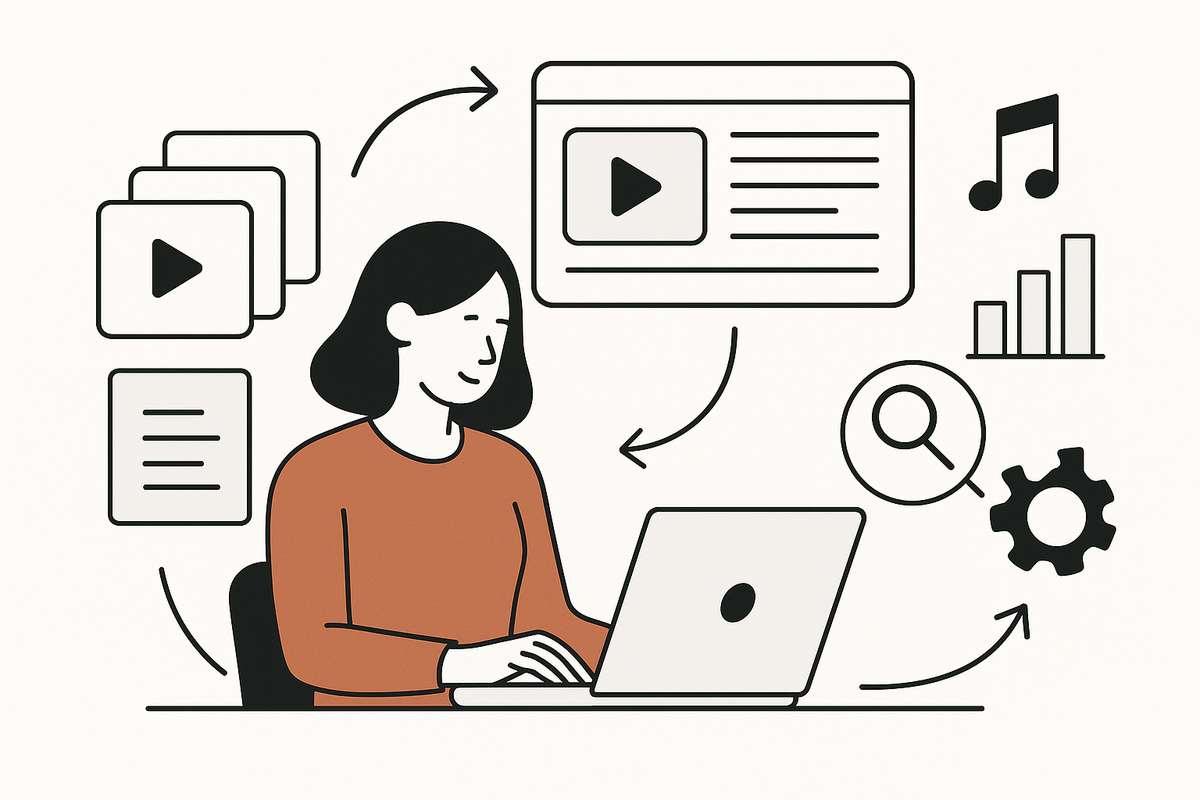
The content creation workflow is the backbone of any successful digital presence. It’s a systematic process that transforms raw ideas into polished, high-performing content—especially important for creators aiming to post more consistently and grow on platforms like TikTok and Instagram.
- Ideation: Sourcing and refining ideas that resonate with your audience.
- Research: Analyzing competitors, search intent, and trends to validate topics.
- Outlining: Structuring your content for clarity, SEO, and virality.
- Drafting: Producing the core content, whether video, audio, or text.
- Editing: Tightening, fact-checking, and refining for quality.
- Publishing: Uploading content to the right channels with optimized metadata.
- Distribution & Refresh: Promoting, analyzing performance, and updating content to keep it fresh.
Why Workflow Matters for Consistency and Growth
A robust workflow is essential for creators who want to post more consistently and maximize the impact of every piece of content. By systematizing each step, you reduce bottlenecks, prevent burnout, and open the door to content batching—the secret to scaling output and staying ahead of the curve. When you can depend on a repeatable process, you waste less time deciding what to do next and spend more time producing. This is how creators go from posting sporadically to publishing daily or several times a day, building real momentum and audience loyalty.
Well-defined workflows also give teams (or solo creators) a "north star" for delegation. You can outsource editing, ideation, or scheduling once you know exactly how each part fits into the overall process. In fast-paced environments, this prevents dropped balls, missed deadlines, and inconsistent quality that can erode your brand over time.
Repurposing and Going Viral
Modern workflows focus on repurposing: turn one video into many viral-ready clips. With tools like Vidulk, you can automatically detect, edit, and caption the best moments from long-form podcasts, lectures, or interviews, preparing them for TikTok, YouTube Shorts, and Instagram Reels. This multiplies your reach without multiplying your workload, supporting sustainable growth and helping you grow on TikTok and other platforms.
For example, a one-hour podcast might have a dozen moments that could each become a viral 30-second clip. By leveraging AI-powered tools, you can extract these moments in minutes rather than painstakingly scrubbing through footage for hours. Repurposing is also about adapting content for different audiences: a tip that resonates with TikTok's younger crowd might become a more in-depth tutorial for YouTube, or an infographic on LinkedIn. The key is building a workflow that systematizes this multiplication of assets, so you consistently fill your content calendar with fresh, platform-optimized posts.
Section 2: Ideation, Research, and Keyword Mapping
Generating High-Impact Ideas
Great content starts with strong ideas. Consistent ideation involves monitoring trends, audience feedback, analytics, and competitor strategies. Use brainstorming sessions, surveys, and social listening tools to identify what your audience craves. For video creators, look at viral clips and trending topics in your niche as inspiration for your next batch of content.
Practical steps for idea generation include:
- Set up Google Alerts and Twitter keyword monitors to catch emerging trends in real time.
- Review comments and DMs for recurring questions or pain points.
- Poll your audience (via Instagram Stories, YouTube Community, or email) for content requests.
- Analyze analytics from previous posts to identify what topics or formats outperformed.
- Join relevant creator or industry Discords, Facebook groups, and subreddits to observe what’s buzzing.
For example, if you notice a spike in interest around "AI video editing" based on community chatter and trending hashtags, that’s a signal to create content addressing this topic. Start a spreadsheet or a Kanban board to capture and prioritize these ideas, so you always have a pipeline of content ready to go.
SERP Analysis and Search Intent Matching
Before you commit to a topic, study the Search Engine Results Pages (SERPs). Analyze the top-ranking pages and viral clips for your target keyword—note their formats, lengths, angles, and the questions they answer. Is content educational, entertaining, or inspirational? Matching (and improving on) this intent ensures your content stands a chance to rank or go viral.
- Review page structure, use of video vs. text, FAQ sections, and snippet-ready answers.
- Identify content gaps or unique angles that competitors miss.
For instance, if you search "how to batch content for TikTok" and see that most results are text posts or long YouTube videos, there’s an opportunity to create short, actionable Reels or TikTok guides that fill this gap. Similarly, if the top results all have FAQ sections, you should include one as well, but with more concise and updated information.
Matching search intent is also about understanding audience goals. If searchers want quick hacks, don’t serve them a 3,000-word essay—deliver a punchy list, a short video, or a carousel.
Keyword and Topical Mapping
Effective workflow means mapping out your primary keyword (e.g. "content creation workflow"), secondary keywords (e.g. "content batching", "how to post more consistently"), and related topic clusters. This helps you build pillar pages and supporting content. Use keyword research tools to find search volume, difficulty, and related questions. Plan your content calendar around these clusters for ongoing growth.
- Use tools like Ahrefs, SEMrush, or free alternatives like Google Keyword Planner and AnswerThePublic.
- Map keywords to each stage of your workflow: for example, "repurposing video content," "TikTok clip ideas," and "AI video editing tools".
- Create content clusters: start with a pillar post (e.g., "Ultimate Guide to Content Batching"), then create supporting articles or videos targeting long-tail keywords (e.g., "Batch recording for solo creators").
- Link related content internally to boost SEO and keep users engaged longer.
For an in-depth look at transforming long videos into viral short clips using AI, check out this guide on how to go viral with clips.
Section 3: Briefing, Outlining, and Snippet Optimization
Creating a Rock-Solid Content Brief
A detailed content brief sets your content up for success. It should specify:
- Audience: Who are you targeting? (e.g., creators, podcasters, marketers)
- Goal: What’s the desired outcome? (e.g., engagement, shares, sign-ups)
- Core Message & Differentiator: What makes your angle unique?
- Format: Video, blog, carousel, or viral clip?
- Required Sections: Must-have talking points and sections (including FAQ for SEO).
Share the brief with collaborators to keep everyone aligned. This is crucial for scaling, delegating, and maintaining brand voice—even as you increase output through content batching.
Concrete example: If you’re preparing a brief for a TikTok clip on "Automating Podcast Clips with AI," specify that the target is podcasters aged 25-40, the goal is to get trials for Vidulk, the differentiator is "zero manual editing required," and the must-have sections are a quick demo, testimonial, and call to action.
Outline Architecture: H1/H2/H3 Structure
A strong outline ensures your content is digestible, SEO-friendly, and easy to repurpose into clips. For example:
- Clear H1 that matches main keyword and intent
- Logical H2/H3 hierarchy for each workflow stage
- FAQ section with snippet-ready, concise answers
For a long-form video, this structured outline can double as the script or chapter list, making post-production much easier. Each section can be time-stamped for easy extraction of clips. For written content, using bullet points and clear subsections increases scan-ability, which is crucial for both search engines and human readers in a hurry.
This structure makes it easy to pull out viral moments for short-form video content. For more on step-by-step video clipping workflows, check out the ultimate repurposing workflow for viral clips.
Optimizing for Featured Snippets and Social Sharing
Include bullet points, numbered lists, and concise answers to common questions. This not only boosts your chances of appearing in Google’s featured snippets but also makes it easier to extract highlights and "hooks" for short clips, maximizing shareability and viral potential.
Practical strategies include:
- Write short, direct answers (40-60 words) to common questions for snippet optimization.
- Use numbered steps for how-to content, as Google often pulls these for featured snippets.
- Highlight quotable soundbites or hooks at the start of each section for easy clipping.
- Design social-friendly visuals and captions within your content so they’re ready for sharing.
Example: "To batch content for TikTok, (1) write scripts for five videos, (2) record all in one session, (3) edit and schedule uploads. This boosts consistency and saves time." This kind of answer is ideal for snippets and easy to turn into a viral tweet or short video.
Section 4: Drafting, Batching, and Collaboration
Drafting Efficiently & Scaling with Content Batching
Drafting is where ideas become real content. To post more consistently, embrace content batching: create multiple pieces (or clips) in one focused session. For video creators, this means recording several talking head segments, interviews, or podcasts at once—then processing them in batches for maximum efficiency.
- Batch scriptwriting or bullet point outlines for a week’s worth of clips
- Batch video or podcast recording sessions
- Batch edit and prep clips for posting
This workflow lets you maintain a regular posting cadence even when your schedule is hectic. If you're looking for a proven workflow to help you post more consistently and achieve viral results with your clips, explore how to post more consistently: a workflow for viral clips or dive into the ultimate repurposing guide for going viral with clips for more strategies.
For example, a solo creator might set aside every Monday to record 4-6 TikTok videos, edit them on Tuesday, and schedule them throughout the week. Larger teams can coordinate batch writing for blogs or batch editing for client projects, reducing context-switching and improving turnaround times.
Collaboration, Assigning Owners, and Review Cycles
Effective collaboration is key as your operation grows. Assign clear owners for each stage (ideation, drafting, editing, publishing). Use cloud docs or project management tools to track progress, leave feedback, and handle approvals. Create checklists for each workflow stage to prevent missed steps.
Best practices:
- Use tools like Notion, Trello, or Asana to visualize your content pipeline.
- Assign due dates and responsible team members for each task.
- Set automated reminders for deadlines and review cycles.
- Standardize review forms or checklists (e.g., "Is the hook strong? Are captions accurate? Is the CTA clear?").
For remote teams, tools like Google Docs or Frame.io allow for real-time feedback and version control. If you’re a solo creator, establish a checklist to self-review your work with fresh eyes before publishing.
Leveraging AI for Efficient Drafting
AI tools like Vidulk dramatically speed up the drafting process. By uploading a long-form video or podcast, Vidulk’s AI detects the best moments, automatically clips them, and generates captions—saving hours of manual editing. This empowers you to repurpose one video into many viral-ready clips, unlocking growth on platforms like TikTok.
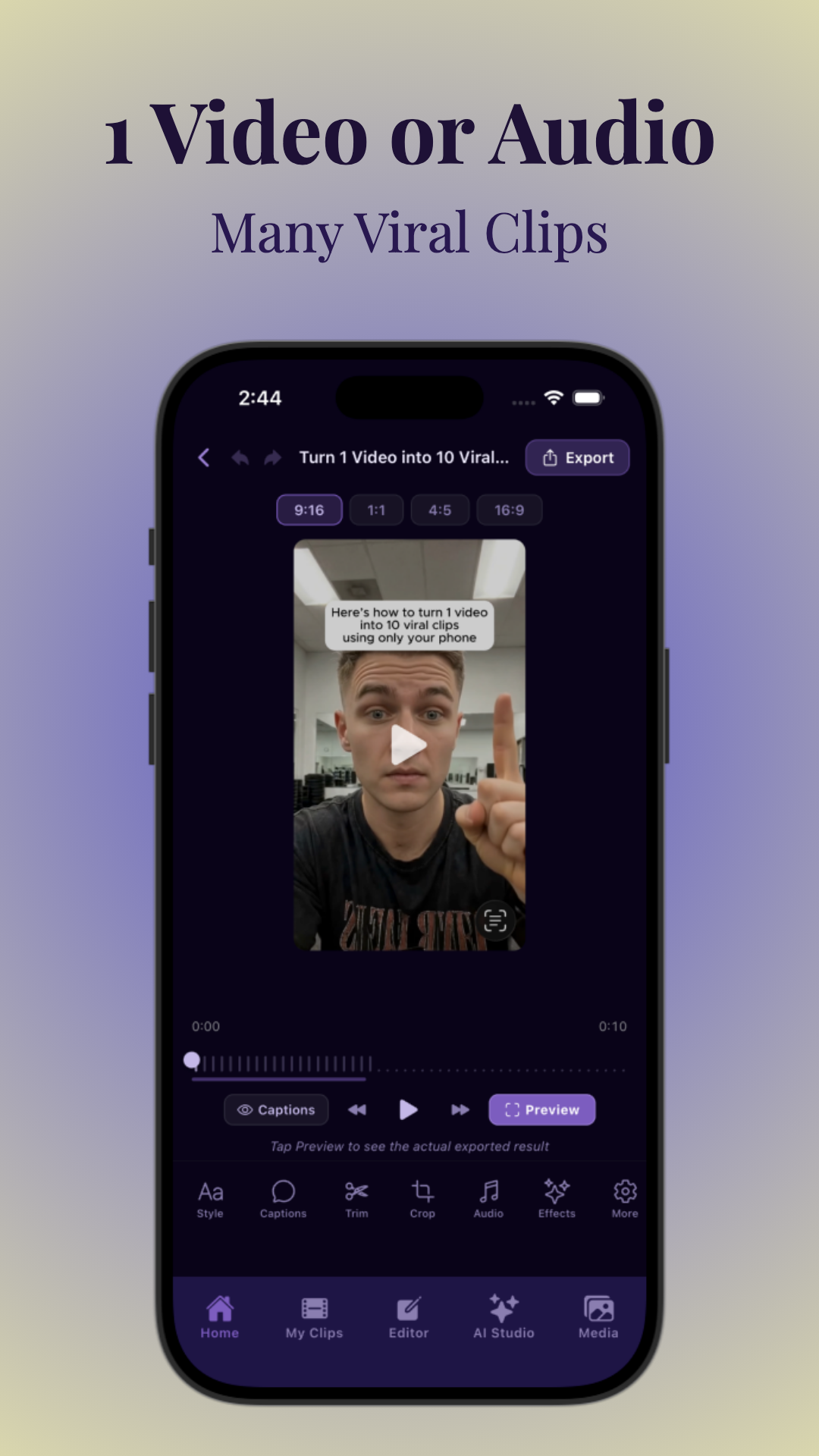
For example, after uploading a 45-minute interview, Vidulk can deliver 8-12 ready-to-post vertical clips, each with AI-generated captions and a suggested "hook" extracted from the speaker’s own words. This creates a week or more of TikTok or Reels content from a single source video, all in under an hour of your time. The AI can also suggest hashtags based on the transcript, further optimizing for discovery. This level of automation is game-changing for creators who want to scale output without hiring a full video editing team.
Section 5: SEO Optimization and Media Assets
SEO Optimization Checkpoints
Before publishing, run through an SEO checklist:
- Title tag includes main keyword and matches search intent
- Meta description is concise, compelling, and keyword-rich
- URL is short and contains the primary keyword
- Internal links to relevant posts and pillar pages
- Use of semantic terms and natural variations
- Readability: short paragraphs, clear headings, bullet points
- Alt text on images and video clips
For more on optimizing for video, see how to transform long videos with AI or dive into the ultimate video to shorts converter guide for a step-by-step approach.
Example: If your main keyword is "AI video clip generator," your title could be "How to Use an AI Video Clip Generator for Viral Shorts | Step-by-Step Workflow." Your meta description might be "Learn how to automate video clipping with AI and grow your audience on TikTok and Instagram. Step-by-step guide for creators." The URL should be something like /ai-video-clip-generator-guide.
As you optimize, check your work against the top-performing pages for your keyword. Are they using schema markup for FAQs? Embedding videos? Including downloadable resources? These details can make a difference in ranking and engagement.
Adding Media and Supporting Assets
Modern audiences expect dense, engaging media:
- Images: Thumbnails, illustrations, and screenshots help break up text.
- Screenshots: Highlight your workflow, editing tools, or viral clip results.
- Charts: Show performance metrics or workflow diagrams.
- Short video clips: Embed or share as teasers on social media.
Apps like Vidulk let you generate AI-powered images and enhance them on-device, further streamlining asset creation. For "hook" ideas, try the Free Hook Generator.
For instance, after uploading a video to Vidulk, you can instantly export a thumbnail with bold text and a dynamic facial expression pulled from the video itself—crucial for increasing click-through rates. Embedding charts that show how batching increased your posting frequency by 3x over a month provides social proof and helps visualize the workflow’s impact.
Don’t forget accessibility: always add descriptive alt text to images and include captions or transcripts for videos. This not only improves SEO, but also broadens your audience by making content usable for those with disabilities.
Fact-Checking, Citation, and Editorial QA
Credibility is non-negotiable. Verify statistics, cite sources, and ensure your voice is clear and consistent. Update numbers and examples regularly to maintain authority. Editorial QA should include a second set of eyes on every piece before it goes live.
- Double-check any claims or numbers against primary sources or official statistics.
- Use tools like Grammarly or Hemingway to polish grammar and readability.
- Cite all external data with links or footnotes, and regularly review content for outdated information.
- Implement a final sign-off checklist: Are all sources cited? Is the call-to-action clear? Are all links working?
For agencies or larger teams, formalize this QA process with an editorial calendar and version control (e.g., Google Docs revision history or GitHub for technical content). For solo creators, a simple checklist or a trusted peer review can catch errors before publication.
Section 6: Publishing, Distribution, and Content Refresh
Publishing and Indexing
When your content is ready, use your CMS or social platform’s scheduling tools to publish at the optimal time. Ensure all metadata (titles, descriptions, tags) are in place. For video clips, add captions and vertical formatting for maximum reach on TikTok and Instagram Reels.
Timing can have a significant impact on reach. Study your audience analytics to identify peak engagement windows—often early evenings or weekends for consumer content, and weekday mornings for B2B. Schedule accordingly using built-in tools (e.g., YouTube Studio, Meta Business Suite) or third-party schedulers like Buffer or Later.
For SEO, submit new URLs to Google Search Console for faster indexing. If your content is video-heavy, ensure you’re using the right schema markup so Google can display your clips in search results. On platforms like TikTok, use trending sounds, hashtags, and challenges to give your clips extra discoverability.
Distribution and Promotion
- Share across all relevant channels (Instagram, TikTok, YouTube Shorts, Twitter, LinkedIn)
- Engage with your audience in comments and DMs
- Consider paid promotion or influencer collaborations for key clips
Track performance with analytics tools—monitor metrics like views, shares, retention, and click-throughs to refine your workflow. To avoid cannibalization, regularly check for overlapping topics among your published content.
Concrete tips:
- Repurpose one viral clip into multiple formats: a tweet with the best quote, a carousel for Instagram, a YouTube Short, and a blog post embedding the clip with a transcript.
- Use UTM parameters on links to measure which platforms drive the most engagement or conversions.
- Set up Google Data Studio dashboards or use native analytics to track performance over time.
- Reach out to micro-influencers in your space for shoutouts or collaborations. Even small accounts can make a big impact if their audience is highly engaged.
Engaging with commenters and DMs not only boosts your reach algorithmically, but also provides real-time feedback for future content ideation.
Content Refresh and Iteration
Winning workflows don’t stop at publishing. Schedule regular content audits to identify top-performing assets and those that need a refresh. Update outdated stats, add new insights, or repackage evergreen content into new clip formats. AI tools can help you resurface older podcasts or interviews and extract new viral moments for reposting, keeping your feed active and relevant.
For example, if you published a "2023 Guide to TikTok Clips" last year, update it mid-year with the latest algorithm changes, new best practices, and examples of your most successful clips. Use Vidulk to scan your video archives for moments that have renewed viral potential (such as trending topics returning to the spotlight) and generate new clips for today's audience. For a comprehensive workflow on how to grow on TikTok with consistent posting and viral clips, see this complete workflow & tools guide for automating TikTok slideshows.
For more on creating viral clips with AI, see how to post more content and grow: the ultimate repurposing guide or explore how to repurpose one video into many for step-by-step strategies. If you need inspiration for your next batch of short videos, check out short-form video editing for podcasters: the ultimate guide.
Conclusion
A streamlined content creation workflow is the foundation for posting consistently and multiplying your reach with viral clips. By systematizing each stage—from ideation and research to batching, SEO, and content refresh—you empower yourself or your team to scale output without sacrificing quality. AI-powered tools like Vidulk make it easier than ever to repurpose one video into many, helping you grow on TikTok and beyond. Start optimizing your workflow today and turn every long-form asset into a viral moment.
FAQ
Q: What are the steps in a content creation workflow?
A: The main steps are ideation, research, outlining, drafting, editing, publishing, distribution, and content refresh. Each stage is crucial for producing high-quality, consistent content.
Q: How do you create a content workflow that scales?
A: Use content batching, detailed briefs, clear owner assignments, and automation tools like Vidulk. Streamline processes and use project management tools to handle increased volume without sacrificing quality.
Q: What should be included in a content brief?
A: A content brief should specify the target audience, goal, format, required sections, differentiator, and any SEO or media requirements. This ensures alignment and efficiency across teams.
Q: How do you research keywords and search intent for content creation?
A: Analyze top-ranking pages for your topic, examine their structure and intent, and use keyword research tools to build a list of primary, secondary, and related keywords. Map these to your content plan for maximum impact.
Q: How do you optimize content for SEO before publishing?
A: Optimize title tags, meta descriptions, URLs, internal links, and image alt text. Use clear headings, semantic keywords, and ensure readability. Fact-check and update content for accuracy.
Q: How often should content be updated after publication?
A: Audit and refresh your content every 3-6 months. Update statistics, add new insights, and repurpose evergreen material into new formats (like viral clips) to maintain relevance and ranking.