
How to Post More Consistently: A Workflow for Viral Clips
Discover how to post more consistently, batch content, and repurpose videos into viral clips. Master your content creation workflow for TikTok, Reels, and more.

Estimated reading time: 10 min
Key Takeaways
- Posting more consistently is key to growing on TikTok, Instagram, and YouTube.
- Batch content creation and repurposing are the fastest ways to maintain momentum.
- Editorial calendars and workflow systems help you never miss a deadline.
- Using AI tools like Vidulk makes it easy to turn long videos into viral short clips.
- Refreshing and updating old content boosts reach and keeps your feed active.
Want to know how to post more consistently and finally break the cycle of missed uploads? Whether you’re building your brand or aiming to go viral with video clips, a sustainable posting workflow is non-negotiable. With short-form content dominating platforms like TikTok and Instagram Reels, mastering content batching, repurposing, and editorial planning will set you apart. This is your comprehensive guide to posting consistently, growing your audience, and making every piece of content count—especially if you use AI-powered tools like Vidulk to accelerate your workflow.
Step 1: Define a Realistic Posting Cadence
The first step in posting more consistently is understanding your capacity and scheduling content accordingly—not just aiming for daily uploads because "everyone else does." Consistency beats frequency in the long run.
- Audit your time: How many clips can you realistically produce and publish weekly?
- Set a "minimum commitment"—for many, 2-3 posts per week is sustainable.
- Use a publishing cadence metric (e.g., posts/week) to track your consistency.
- Build in buffer weeks for holidays, burnout, or unexpected events.
Remember, it’s better to post twice a week for a year than daily for a month and then burn out. Make your cadence visible—write it down or add it to your project management tool.
Step 2: Build a Content Calendar or Editorial Workflow
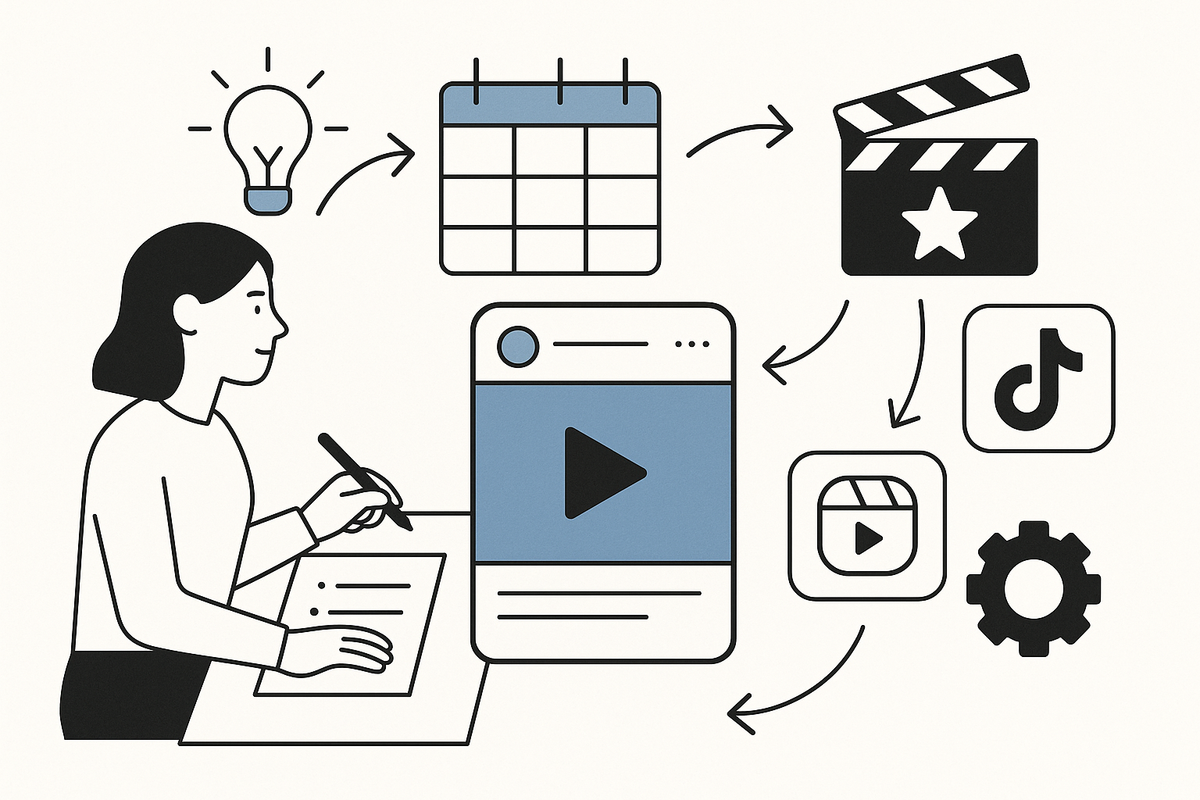
Next, map out your month in advance. An editorial calendar keeps you accountable and ensures you never scramble for last-minute ideas. Here’s how to set one up:
- Choose a tool: Google Calendar, Notion, Trello, or a dedicated content calendar app.
- Create slots for each planned post (date, time, platform).
- Assign content types (e.g., viral clips, educational, trending audio).
- Add deadlines for drafting, editing, and publishing.
For teams, designate roles (creator, editor, publisher) and approval steps. This reduces confusion and missed deadlines. Need more workflow tips? Check out this guide on integrating video chat APIs for collaborative content creation.
Step 3: Batch Content Creation for Efficiency
Batching content is the secret weapon of prolific creators. Instead of making one clip at a time, dedicate blocks of time to create, edit, and schedule several pieces at once.
- Reserve a few hours weekly for scripting or outlining multiple clips.
- Film all your raw footage in one session—change outfits or backgrounds for variety.
- Edit in a separate batch. With tools like Vidulk, you can upload a long podcast or interview and instantly generate multiple short, captioned clips ready to post.
- Schedule finished content using platform tools or third-party schedulers.
This approach minimizes context switching and helps you stay ahead, so you never panic about tomorrow's post. For a deeper dive into maximizing your output, explore our ultimate repurposing guide to post more consistently and go viral with clips.
Step 4: Use Keyword Research to Guide Your Topics
To grow on TikTok, Instagram, or YouTube Shorts, your content needs to meet real audience demand. Integrate keyword research and trending topics into your workflow:
- Identify keywords your target audience searches for (e.g., "how to go viral with clips").
- Check trending sounds and formats within your niche.
- Build topic clusters—groups of related clips around a central theme—to establish authority and keep viewers binge-watching.
This makes your posting plan strategic, not random, and boosts your odds of discoverability. For more on creating viral AI clips, read this step-by-step guide to AI video tools for creators.
Step 5: Repurpose One Video Into Many Clips
Maximize your effort by repurposing every long-form video into multiple short clips, teasers, audiograms, and quote graphics. Here’s a proven workflow:
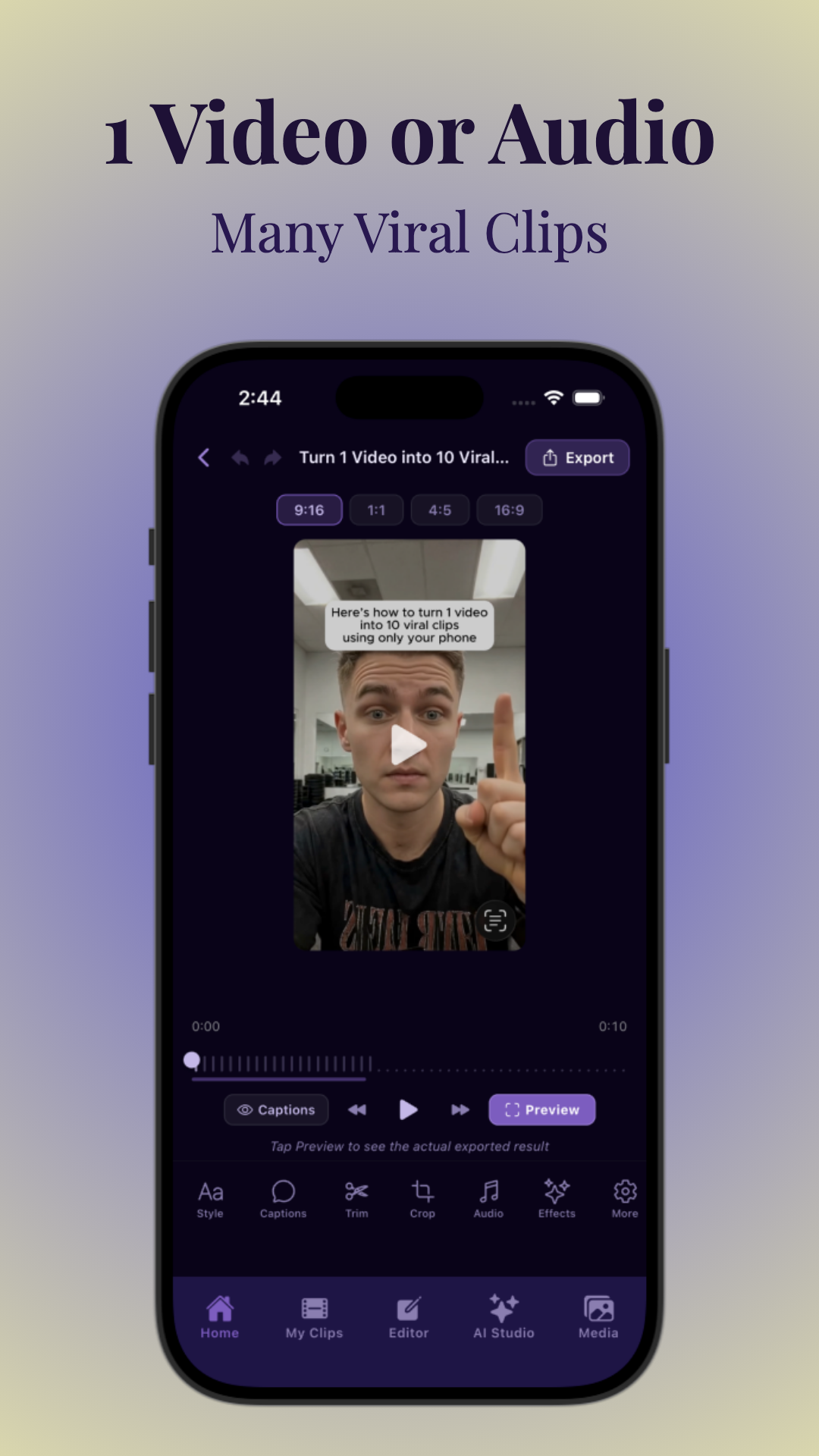
- Upload your podcast, webinar, or interview to Vidulk or a similar AI-driven platform.
- Let the AI automatically detect the best moments and generate several short, vertical clips—captioned and formatted for TikTok, Reels, and Shorts.
- Customize clips with on-brand fonts, hooks, or calls-to-action.
- Export and schedule across all your social platforms for maximum reach.
Repurposing saves you from "idea fatigue" and keeps your feed active even when you’re busy. Learn more about how to make AI video clips from long-form content in this ultimate workflow for repurposing one video into many.
Step 6: Use Templates, SOPs, and Automations
Reduce friction and speed up your workflow by creating templates and standard operating procedures (SOPs) for recurring tasks:
- Design video templates for intros, outros, and captions.
- Create SOPs for outlining, editing, and publishing steps.
- Automate repetitive steps—e.g., auto-captioning, resizing, or scheduling.
- Use tools like Vidulk’s AI Studio to batch-generate on-brand images or hooks.
This allows you (or your team) to execute quickly and maintain consistency, even as you scale up.
Step 7: Assign Roles, Deadlines, and an Approval Process
Consistency breaks down when ownership is unclear. Even solo creators can benefit from defining roles and deadlines:
- Assign who’s responsible for scripting, editing, and publishing.
- Set deadlines for each stage and track progress in your calendar or project tool.
- For teams, create a simple approval workflow to avoid bottlenecks.
Checking off each stage keeps you on track—no more missed uploads or last-minute scrambles.
Step 8: Track Consistency and Refresh Old Content
Finally, measure your publishing cadence and revisit older content for updates or new clips:
- Review your calendar weekly: Did you hit your posting target?
- Analyze which clips performed best—double down on winning formats.
- Refresh and repost evergreen clips with updated hooks, captions, or visuals.
- Use tools like Vidulk to re-edit classic episodes or interviews into new viral shorts.
This keeps your content library working for you and maintains momentum—even when you’re short on new material.
Tips & Common Mistakes
- Don’t overcommit: Start with a manageable cadence and scale up.
- Avoid posting random clips: Build topical clusters to reinforce your niche.
- Don’t skip batching: It’s the #1 way to beat creator burnout and stay consistent.
- Use AI wisely: Tools like Vidulk can save hours, but always customize your clips for brand voice.
- Refresh, don’t reinvent: Update and repost past hits instead of always starting from scratch.
Conclusion
Learning how to post more consistently is the foundation of building an audience and going viral with video clips. By batching your content, leveraging AI tools like Vidulk, setting up an editorial workflow, and repurposing every long-form recording, you’ll transform your output and see steady growth on TikTok, Instagram, and YouTube. Start small, get organized, and make consistency your superpower.
FAQ
- How often should I post to stay consistent?
For most creators, 2-3 times per week is a sustainable minimum. Focus on consistency over raw volume—steady, quality uploads always win in the long term. - What is the best content calendar for consistent posting?
The best calendar is the one you’ll actually use! Google Calendar, Notion, or Trello work well. Choose one with deadlines, reminders, and space for ideas. - How do I stop missing posting deadlines?
Batch content creation, use an editorial calendar, and set realistic deadlines. Assign roles (even if you’re solo) and add a buffer for emergencies. - Should I batch create content to post more consistently?
Absolutely—batching is the single most effective way to maintain a steady posting schedule and reduce stress. Create several clips in one sitting and schedule them ahead. - How do I stay consistent with posting when I run out of ideas?
Repurpose old content, use keyword research to find trending topics, and leverage AI tools like Vidulk to extract new clips from existing videos. Building content pillars also helps prevent idea fatigue. - Does posting consistently help SEO rankings?
Yes—regular posting signals to platforms that you’re active and keeps your audience engaged. This can improve discoverability and boost your rankings in TikTok, YouTube, and Instagram algorithms.