
Content Batching: The Ultimate Guide to Posting Consistently and Going Viral
Master content batching to post more consistently, repurpose videos, and go viral. Step-by-step workflow, tools, and tips for creators and marketers.

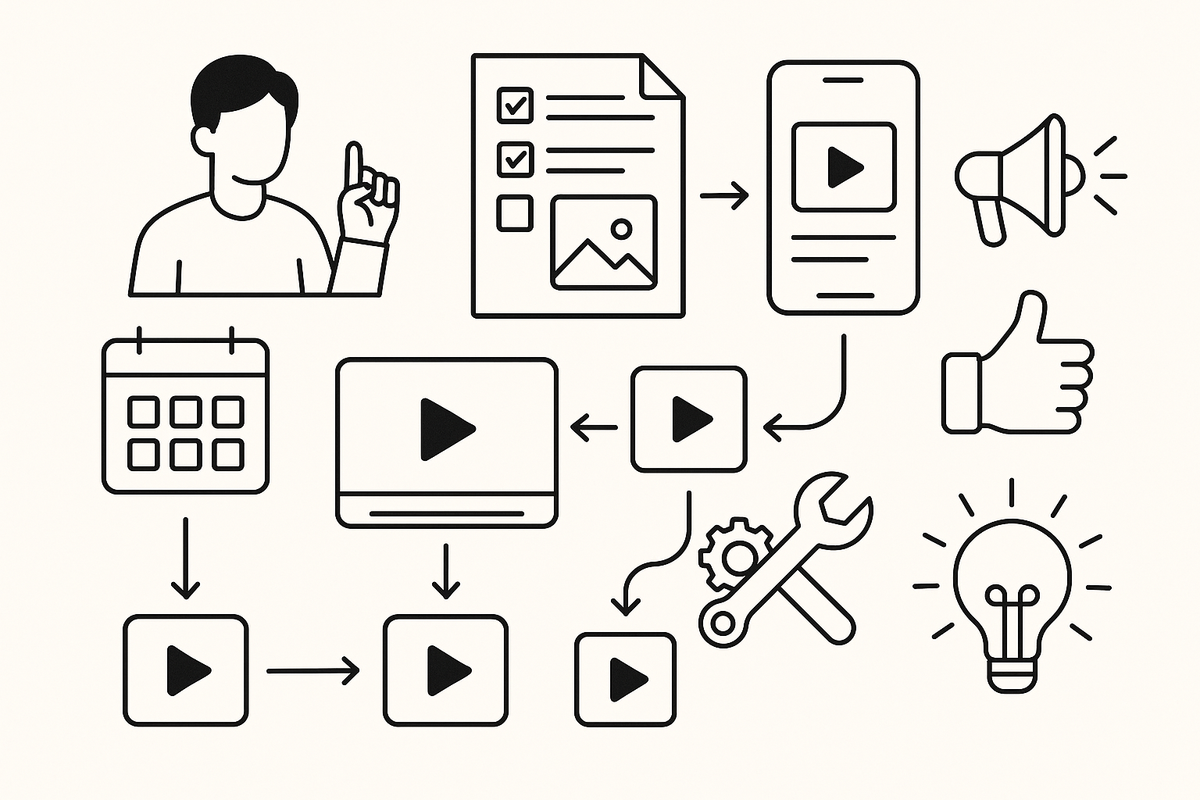
Estimated reading time: 14 min
Key Takeaways
- Content batching streamlines your workflow, helping you post more consistently and efficiently.
- Repurposing one video into many formats multiplies your reach and boosts your chances of going viral with clips.
- Clear content pillars and a batch content calendar are foundational for sustainable growth on platforms like TikTok.
- Using the right tools and templates makes batching social media and blog content much easier.
- Tracking your batching efficiency and engagement metrics is essential to optimize your strategy over time.
Table of Contents
- Section 1: What Is Content Batching and Why Does It Matter?
- Section 2: Step-by-Step Content Batching Workflow
- Section 3: Choosing Content Pillars for Effective Batch Planning
- Section 4: Building a Batch Content Calendar and Publishing Schedule
- Section 5: Repurposing One Video Into Many Viral Clips
- Section 6: Tools, Templates, and Tips for Efficient Content Batching
- Section 7: Batching for Social Media vs. Blog Posts: Key Differences
- Section 8: Avoiding Burnout, Staying Consistent, and Measuring ROI
- Conclusion
- FAQ
Section 1: What Is Content Batching and Why Does It Matter?
Defining Content Batching
Content batching is the practice of grouping similar content creation tasks together and completing them in focused sessions. Instead of producing content one piece at a time, you create multiple pieces in a single sitting. For example, instead of recording one video each day, you might record five in one afternoon. This method is popular among creators aiming to post more consistently, especially those looking to grow on TikTok or post daily on Instagram, YouTube, or LinkedIn.
The Science Behind Batching
- Reduces context switching: Switching between different tasks (like scripting, filming, editing) wastes mental energy. Batching lets you focus deeply on one phase at a time.
- Speeds up your workflow: Repeating similar tasks helps you enter a flow state, boosting efficiency and creativity.
- Enables consistency: By working ahead, you'll always have content ready to post—even when life gets busy.
Why It Matters for Going Viral
Batching isn’t just about productivity; it’s a growth catalyst. Viral success on platforms like TikTok often rewards creators who post consistently and experiment with formats. The more content you publish, the higher your odds of striking gold with a viral clip. Batching gives you the creative bandwidth to try new styles, hooks, and trends—all while maintaining a steady presence.
For an in-depth look at how AI tools can supercharge this process, see AI Clip Generator: Transform Long Videos Into Viral Shorts.
Section 2: Step-by-Step Content Batching Workflow
1. Ideation and Planning
Start by brainstorming content ideas that fit your brand and audience. Use content pillars (see Section 3) to brainstorm topics. Organize your ideas in a spreadsheet or project management tool like Trello, Notion, or Airtable.
- Block dedicated time for idea generation.
- Research trending topics and questions in your niche.
- Use keyword research tools for SEO-friendly blog post ideas.
2. Scripting and Outlining
Write scripts or outlines for each piece you’ll batch. For video content, bullet points or talking points are often enough. For blog posts, draft headlines and key sections. This step is crucial for batch recording or writing sessions.
- Template your scripts for speed and consistency.
- Batch similar types of content together (e.g., all tutorials, all Q&As).
3. Production: Filming, Recording, or Writing
Set up your equipment or workspace and record/write multiple pieces in one go. For video, this could mean recording 5-10 TikTok clips or podcast segments back-to-back. For blog posts, aim to draft several articles in one session.
- Minimize setup/teardown time by batching similar formats.
- Use a checklist to keep each piece on track.
4. Editing and Post-Production
Batch editing can be the biggest time saver. Use efficient tools (like Vidulk) to turn long videos into multiple short, captioned, vertical clips. Edit all your content at once—add graphics, captions, or sound effects in bulk.
- Apply branded templates and filters to all clips or images in the batch.
- Review all content before scheduling or publishing.
5. Scheduling and Publishing
Use a scheduling tool (Buffer, Later, Hootsuite, or native platform schedulers) to queue your batched content. Batch-schedule a week or month’s worth of posts in one session, freeing you to focus on engagement and analytics the rest of the time.
Section 3: Choosing Content Pillars for Effective Batch Planning
What Are Content Pillars?
Content pillars—also known as topic buckets—are the foundational themes around which you organize your content. Choosing 3-5 pillars helps you stay focused, attract the right audience, and simplify your batch planning.
- Examples: For a video creator: "Behind the scenes," "Tips and tricks," "Industry news," and "Case studies." For a wellness brand: "Nutrition," "Workouts," "Mindfulness," and "Community stories."
How to Define Your Pillars
- Analyze your top-performing content for recurring themes.
- Survey your audience to find what they value most.
- Align pillars with your business goals (lead generation, brand authority, etc.).
Using Pillars in Content Batching
When you batch content, rotate through your pillars for balanced, engaging output. For example, in a single session you might create:
- 2 "Tips and tricks" short clips
- 1 "Behind the scenes" video
- 2 "Industry news" updates
This ensures your feed stays diverse and relevant, making it easier to post more consistently and keep your audience hooked.
Section 4: Building a Batch Content Calendar and Publishing Schedule
Why You Need a Content Calendar
A content calendar is your roadmap for what to post, when, and where. For batch creators, this calendar ensures you always know what’s coming next, reducing decision fatigue and last-minute scrambling.
How to Build Your Batch Calendar
- Step 1: Map your content pillars across days/weeks. For example, "Monday = Tips," "Wednesday = Behind the Scenes," etc.
- Step 2: Slot in your batched content pieces based on pillar rotation and platform best practices.
- Step 3: Use tools like Google Calendar, Notion, or Trello to visualize and track your plan.
Choosing Your Publishing Cadence
- Daily posting: Best for platforms like TikTok and Instagram Reels if you want to maximize viral potential.
- 3-5x per week: Sustainable for most solo creators.
- Batch size: Aim to batch enough for 1-2 weeks at a time, so you’re never scrambling for your next post.
Automating Your Publishing
Take advantage of scheduling tools to queue content and free up your time. For video content, Vidulk integrates with your workflow to quickly generate and export clips that are ready to post, streamlining your schedule further.
Section 5: Repurposing One Video Into Many Viral Clips
The Power of Repurposing
Repurposing means turning a single piece of long-form content—like a podcast, interview, or webinar—into multiple short, platform-optimized pieces. This is the secret sauce for anyone wondering how to go viral with clips and post more consistently without burning out. For a comprehensive approach to multiplying your reach, see The Ultimate Repurposing Guide.
Step-by-Step Repurposing Workflow
- Step 1: Select a long-form video or audio asset.
- Step 2: Use a tool like Vidulk to detect and clip the best moments automatically.
- Step 3: Edit each clip for the platform—add captions, trim to optimal length (typically 15-60 seconds for TikTok), and overlay engaging visuals or hooks.
- Step 4: Batch export and schedule these clips across TikTok, Instagram Reels, YouTube Shorts, and more.
Repurposing Formats
- Short vertical video clips (TikTok, Reels, Shorts)
- Quote graphics for Instagram or Twitter
- Blog post summaries or highlights
- Email newsletter snippets
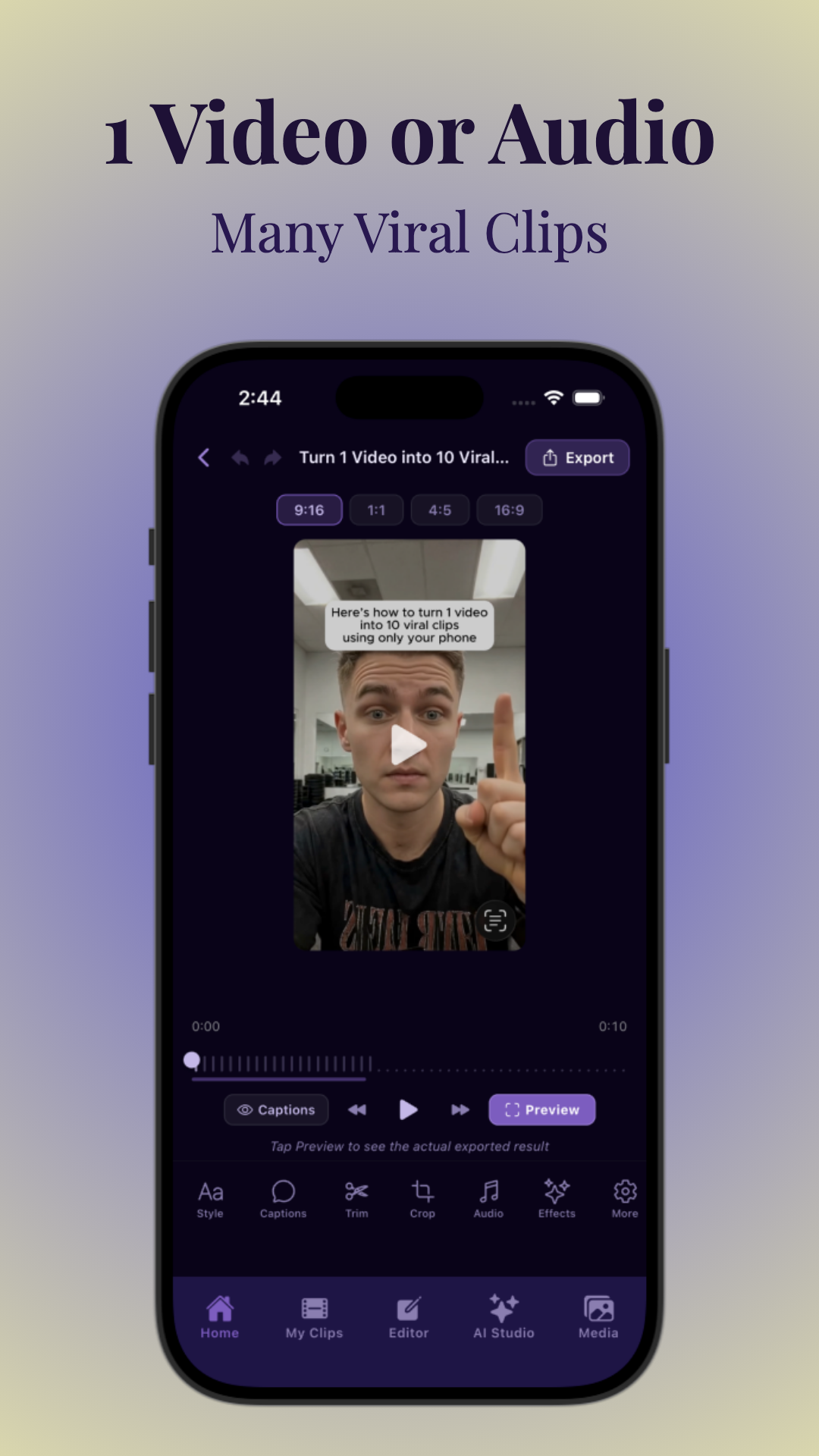
For a full guide to using AI to repurpose your videos, check out AI Video Tools for Creators: The Ultimate Guide to Clipping, Captions & More.
Section 6: Tools, Templates, and Tips for Efficient Content Batching
Essential Batching Tools
- Video clipping and editing: Vidulk for instant AI-powered video clipping, captioning, and repurposing.
- Project management: Notion, Trello, or Airtable for organizing ideas and tracking progress.
- Scheduling: Buffer, Later, Hootsuite, or native platform schedulers.
- Graphic design: Canva for thumbnails, quote cards, and branded graphics.
- Document templates: Google Docs or Notion for reusable script and outline templates.
Time-Saving Templates
- Content calendar templates (weekly/monthly views)
- Video script outlines
- Batch editing checklists
- Caption and hashtag banks for quick copy-paste
Batching Tips from Pro Creators
- Batch record when you’re feeling most energized—mornings for some, evenings for others.
- Use a timer to stay focused during each batching phase (Pomodoro method works well).
- Set up your filming or editing environment to minimize distractions and reduce setup time.
- Iterate your workflow as you discover what helps you post more consistently and what slows you down.
Section 7: Batching for Social Media vs. Blog Posts: Key Differences
Batching Social Media Content
Social media batching focuses on volume and speed. The goal is to create a large number of short, punchy pieces that can be scheduled across multiple platforms. Key considerations:
- Short-form video (15-60 seconds) is king on TikTok, Instagram, and YouTube Shorts. For inspiration on what to create, check out this ultimate guide for short form video content ideas.
- Trends change fast—batch with flexibility to swap in trending audio or formats.
- Visual consistency matters: use templates for graphics, captions, and hooks.
Batching Blog Posts
Blog post batching is about depth and SEO optimization. You’ll spend more time on research, outlining, and editing per piece, but the batching principles still apply:
- Batch research for several posts at once to streamline your workflow.
- Draft multiple outlines in one session, then write and edit in focused blocks.
- Schedule posts to publish automatically for consistent website updates.
Cross-Pollinating Content
Combine both approaches for maximum impact. For example, repurpose your blog highlights into a series of viral clips using Vidulk, as explained in How to Make AI Video Clips: A Step-by-Step Guide. This way, you drive traffic and engagement across multiple channels with minimal extra effort.
For a deeper dive into optimizing your content creation workflow, explore strategies that help you post more consistently and go viral with clips.
Section 8: Avoiding Burnout, Staying Consistent, and Measuring ROI
Burnout Prevention
- Batch in realistic quantities: Don’t overcommit—start with batching 3-5 pieces per session, then increase as you find your rhythm.
- Take breaks: Schedule downtime between batching sessions to recharge your creativity.
- Automate and delegate: Use AI tools (like Vidulk) to handle repetitive editing, and outsource when possible.
Maintaining Consistency
- Set a recurring batching day each week or month.
- Review and adjust your content calendar regularly.
- Reward yourself for hitting consistency milestones.
Measuring Efficiency, Engagement, and ROI
- Track time spent per batching session to identify bottlenecks.
- Monitor engagement metrics: views, likes, shares, comments, and click-throughs.
- Calculate ROI by comparing time saved and growth in followers or leads.
- Iterate based on what’s working—double down on the formats that go viral or drive the most engagement.
Conclusion
Content batching is the backbone of a sustainable, scalable content creation workflow. By grouping tasks, leveraging templates, and using smart tools like Vidulk, you can post more consistently, maximize your creative output, and dramatically increase your chances of going viral with clips. Whether you’re repurposing one video into many, planning out content pillars, or building a batch content calendar, batching is the proven way to grow on TikTok, YouTube, Instagram, and beyond. Start batching today—and watch your content and audience multiply.
FAQ
Q: What is content batching?
A: Content batching is the process of grouping and completing similar content creation tasks—like brainstorming, scripting, filming, or editing—in focused sessions, rather than working on one piece at a time. This method boosts efficiency and consistency for creators and marketers.
Q: How do you batch content efficiently?
A: Batch content efficiently by planning ahead, using templates, dedicating focused time blocks, and leveraging tools like Vidulk for rapid video clipping and editing. Organize your workflow into clear stages (ideation, scripting, production, editing, scheduling) and minimize context switching for each phase.
Q: What types of content can you batch?
A: You can batch nearly any content type—including short videos, blog posts, podcasts, social media graphics, and email newsletters. Batching is especially effective for formats that require similar steps, like video clips or a series of blog articles.
Q: How many posts should you create in one batching session?
A: The optimal number depends on your workflow and schedule. Most creators batch enough content for 1-2 weeks (e.g., 5-10 video clips or 2-4 blog posts per session). Start small and scale up as you get more efficient.
Q: What tools help with content batching?
A: Essential tools include Vidulk for AI-powered video clipping, project management apps like Notion or Trello, scheduling tools (Buffer, Later), and design platforms like Canva for graphics. Templates and checklists are also invaluable for speeding up the process.
Q: How is content batching different from content repurposing?
A: Content batching is about creating multiple pieces of content in focused sessions. Content repurposing is about transforming one piece (such as a long video) into different formats (e.g., viral clips, blog posts). The two strategies work well together for maximum efficiency and reach.