AI Audio Equalizer for Video Clips: Transforming Sound with Intelligent EQ
Discover how an AI audio equalizer for video clips can enhance your audio quality, save time, and improve viewer engagement with intelligent EQ technology.

Estimated reading time: 5 minutes
Key Takeaways
- AI EQ tools analyze and adjust frequencies automatically for cleaner audio.
- Context-aware adjustments deliver professional results without manual tuning.
- One-click presets and smart workflows cut post-production time by up to 50%.
- Noise reduction, level normalization, and adaptive EQ boost viewer engagement.
- Seamless integration with popular editors makes pro-level audio accessible to all creators.
Table of Contents
- Understanding Audio Equalization
- What Is an AI Audio Equalizer for Video Clips?
- Benefits of AI Audio Equalizer in Video Post-Production
- How AI Audio Enhancer Performs Audio Analysis in Video Editing Tools
- Practical Applications of AI Audio Equalizer for Video Clips
- Conclusion
- FAQ
Section 1: Understanding Audio Equalization
Keyword: audio equalization
Audio equalization is the process of adjusting frequency content—bass, mids, treble—to improve balance and clarity in a recording. Traditional workflows require a sound engineer to:
- Listen for boomy lows, harsh highs, or muddy mids.
- Identify problem bands at, say, 100 Hz for rumble or 3 kHz for sibilance.
- Manually tweak sliders or parametric EQ bands until the track sounds balanced.
This manual approach can take hours, especially across multiple clips or tracks.
AI-powered audio equalizer tools change the game:
- Machine learning models trained on thousands of clips detect noise, echo, muddiness, and uneven volume automatically.
- The system proposes or applies context-aware EQ curves that adapt to speech, music, or ambient sounds.
- Users get adaptive corrections that learn from data instead of relying on static presets.
With AI EQ, you spend less time hunting frequencies and more time creating. These intelligent equalizers use signal processing and deep learning to mimic expert engineers, trimming minutes off each edit.
Sources:
Section 2: What Is an AI Audio Equalizer for Video Clips?
Keyword: AI audio equalizer for video clips
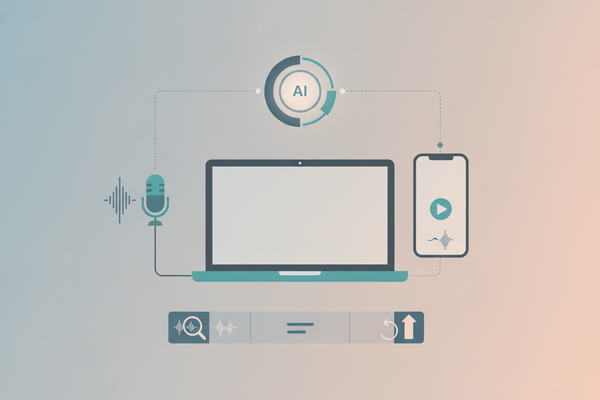
An AI audio equalizer for video clips is an end-to-end workflow that bundles noise reduction and frequency balancing into one or two clicks. Instead of juggling multiple plugins, you:
- Upload your video file.
- Choose an AI enhancement preset (e.g., “Speech Cleaner,” “Music Booster”).
- Let the tool run its machine learning audio equalizer engine.
- Download a fully optimized clip with balanced bass, mids, and treble.
Core Technology
- Supervised ML models trained on diverse audio samples to classify speech, music, and ambient noise.
- Real-time processing delivers near-instant feedback in browser or desktop editors.
- Context-aware adjustments identify voice formants and textures before applying EQ curves.
Key Features
- Noise reduction removes wind, static, hum, and rain without manual effort.
- Adaptive frequency balancing boosts intelligibility by dynamically shaping EQ bands.
- Automatic level normalization evens out loudness for a consistent mix (automatic leveling).
- User-friendly interface with one-click controls and smart presets—no deep audio knowledge required.
For creators looking to further enhance their workflow, exploring an AI audio mixing tool for video clips can help achieve high-quality audio results with minimal effort.
Sources:
- VMake AI Video Audio Enhancer
- Clipchamp Audio Enhancer
- Canva Audio Enhancer
- VEED AI Audio Enhancer
- Flixier AI Audio Enhancer
- Riverside Magic Audio
Section 3: Benefits of AI Audio Equalizer in Video Post-Production
Keyword: video post-production
- Improved Audio Quality
• Precise, context-aware frequency control tailored for speech and music.
• Cleaner dialogue, fuller bass, and crisper highs without manual EQ. - Time Savings
• AI automation cuts repetitive tweaking and reduces re-recording.
• Workflows accelerate by up to 50%, freeing editors to focus on creativity. - Enhanced Viewer Experience
• Clearer dialogue boosts comprehension—ideal for tutorials and vlogs.
• Balanced music and minimal noise improve engagement and watch time.
• Consistent sound across scenes increases perceived production value. - Advanced Features
• Voice enhancement isolates and amplifies vocals even under music layers.
• Track separation allows different treatments for dialogue, music, and effects.
• Dynamic optimization adapts EQ curves as new audio segments appear.
For creators who want to take their audio quality to the next level, consider using an AI voice changer for video clips to unlock pro audio quality and add a creative edge to your productions.
Balanced, high-quality audio is just one aspect of a successful video. To further boost your workflow efficiency, you might explore how an AI social media clip planning tool can save you 10+ hours a week by streamlining your content scheduling and publishing process.
For a comprehensive overview of how AI is transforming every stage of the video creation process, check out AI Video Tools for Creators: The Ultimate Guide to Clipping, Captions & More.
Sources:
- VMake AI Video Audio Enhancer
- VEED AI Audio Enhancer
- Clipchamp Audio Enhancer
- Riverside Magic Audio
- YouTube demo
- Flixier AI Audio Enhancer
Section 4: How AI Audio Enhancer Performs Audio Analysis in Video Editing Tools
Keyword: AI audio enhancer
Step-by-Step Workflow
1. Import or upload your video clip into an AI audio enhancer tool.
2. The ML model scans for noise, frequency imbalances, and level discrepancies.
3. Processing stages include speech enhancement, denoising, normalization, and EQ shaping via one-click presets.
4. Preview the upgraded audio, fine-tune if needed, or export directly to your editing timeline.
Practical Examples
• Urban vlog: Ambient noise drops by 70% and speech clarity rises 40% after denoising and adaptive EQ.
• Screen tutorial: Uneven mic levels normalize, boosting viewer retention by 25%.
• Room interview: AI de-reverberation suppresses echo, improving intelligibility by 35%.
Integration Tips
• Browser editors like Clipchamp, Canva, and VEED offer built-in AI modules.
• Timeline software (Premiere Pro, Final Cut Pro) can use exported stems or plugins.
• Run AI EQ either before color grading or after picture lock for optimal workflow.
For those interested in comparing different solutions, check out this comprehensive guide to AI video clipping apps for social media to find the best fit for your editing needs.
In addition to audio, optimizing your video’s metadata can further boost discoverability and workflow efficiency. Consider using an AI audio metadata generator for video clips to automate tagging and improve searchability across platforms.
Sources:
- VMake AI Video Audio Enhancer
- VEED AI Audio Enhancer
- Flixier AI Audio Enhancer
- Riverside Magic Audio
- Clipchamp Audio Enhancer
- Canva Audio Enhancer
Section 5: Practical Applications of AI Audio Equalizer for Video Clips
Keyword: practical applications
AI audio equalizers excel in various scenarios:
- Vlogs recorded in noisy environments gain cleaner dialogue and reduced background hiss.
- Tutorials and presentations benefit from consistent levels, improving viewer focus.
- Interviews and podcasts achieve broadcast-quality sound without expensive hardware.
- Music videos receive balanced mixes where vocals sit perfectly over instrumentals.
- Documentaries and corporate videos maintain sonic consistency across diverse locations.
For creators who want to streamline their entire video workflow, from clipping to posting, see The Ultimate Auto Post Video Clips Tool Guide for tips on automating your publishing process.
If you're searching for inspiration to maximize the impact of your short videos, don't miss our ultimate guide to short form video content ideas packed with actionable strategies for creators.
For those looking to make their video content more accessible and engaging, leveraging an accessible caption tool for video clips can significantly boost both engagement and compliance.
Conclusion
Intelligent AI audio equalizers transform the way creators approach sound. By automating complex EQ tasks, offering context-aware adjustments, and integrating with your favorite editing tools, these tools save time and elevate production value. Whether you’re a solo vlogger or part of a post-production team, AI-driven EQ delivers cleaner dialogue, balanced music, and minimal noise in just a few clicks.
FAQ
- How does AI equalization differ from manual EQ?
AI uses machine learning to analyze content and apply adaptive curves, while manual EQ relies on human listening and presets. - Can I adjust AI settings if the automatic result isn’t perfect?
Yes. Most tools offer preview and fine-tuning options so you can tweak curves or levels after the initial pass. - Which editing platforms support AI audio enhancers?
Browser-based editors like Clipchamp, Canva, and VEED include built-in modules; major DAWs and video suites support plugins or exported stems. - Does AI EQ work on all types of audio?
Modern AI equalizers handle speech, music, and ambient sounds, though very noisy or highly distorted clips may need additional cleanup. - Is real-time processing possible?
Many tools offer near-instant feedback in-app, allowing you to audition changes live before exporting the final mix.