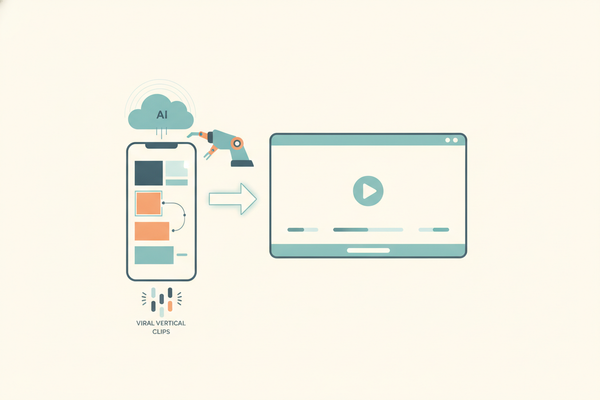
How to Clip Podcasts Into Shorts: Step-by-Step Guide
Learn how to clip podcasts into shorts using AI tools. Discover fast, effective methods for turning long audio or video into viral short clips.

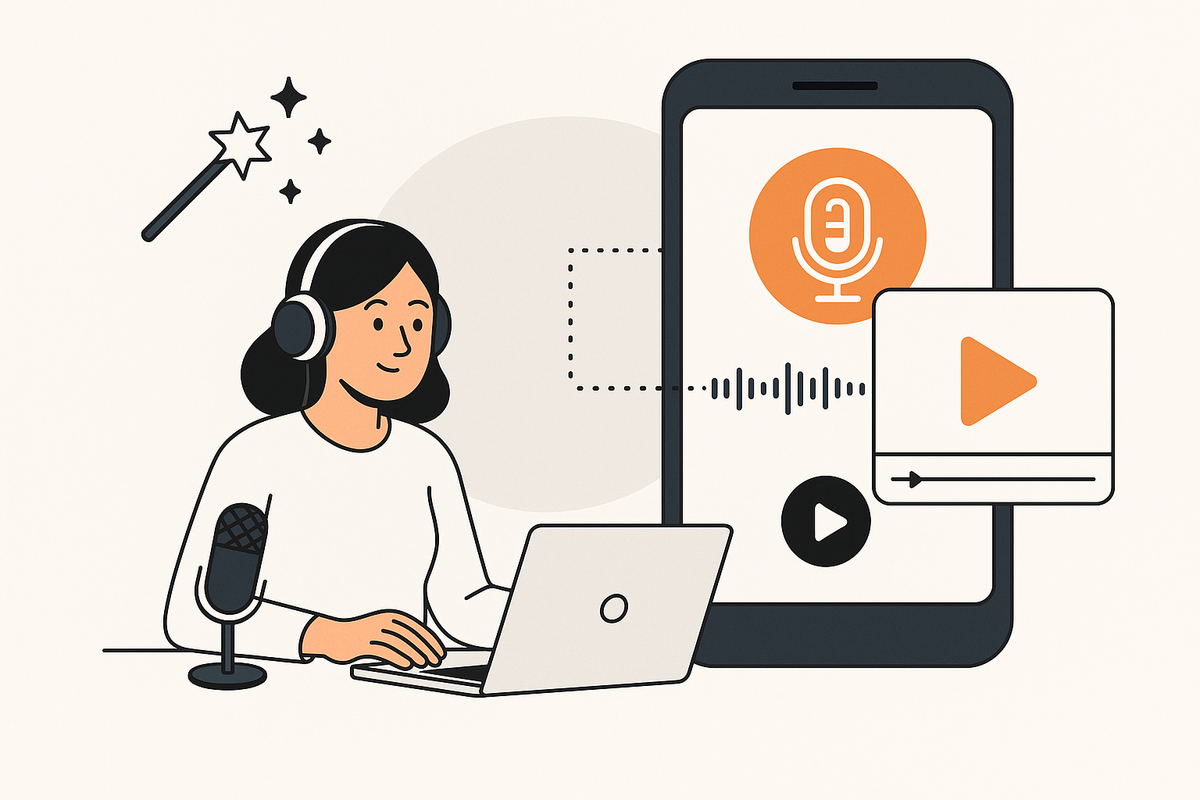
Estimated reading time: 7 min
Key Takeaways
- Clipping podcasts into shorts helps boost reach and engagement.
- AI tools like Vidulk automate the process and save time.
- Captions, vertical format, and trends are crucial for shareable clips.
- Best practices ensure your shorts stand out on social media.
Table of Contents
- Section 1: Why Clip Podcasts Into Shorts?
- Section 2: Essential Elements of Viral Podcast Shorts
- Section 3: How to Clip Podcasts Into Shorts Using AI
- Section 4: Best Practices for Podcast Shorts
- Section 5: Tools to Simplify the Clipping Process
- Conclusion
- FAQ
Section 1: Why Clip Podcasts Into Shorts?
Expanding Your Podcast’s Reach
Learning how to clip podcasts into shorts is one of the most effective strategies for growing your audience. Short video clips are tailor-made for social media platforms like Instagram Reels, YouTube Shorts, and TikTok, where attention spans are limited and viral potential is high.
- Maximize discoverability: Shorts reach new audiences who may not listen to full episodes.
- Drive traffic: Teaser clips encourage viewers to check out your full podcast.
- Boost engagement through comments, shares, and likes.
Monetization Opportunities
Platforms increasingly support monetizing shorts, making them a potential revenue stream. Repurposing your podcast content into short-form video is a smart way to maximize value from your existing work. For a comprehensive approach to repurposing, see the ultimate repurposing guide.
Section 2: Essential Elements of Viral Podcast Shorts
The Anatomy of a Shareable Clip
Not all moments are created equal. The best podcast shorts highlight the most engaging, surprising, or emotional moments. Here’s what you need for a scroll-stopping clip:
- Compelling hooks: Start with a question, bold statement, or intriguing soundbite.
- Captions: Most viewers watch on mute; accurate captions are essential.
- Vertical format: 9:16 aspect ratio performs best on mobile-first platforms.
- Visual enhancements: Add emojis, bold text, or cutaways to keep attention.
- On-brand design: Use your podcast colors, fonts, and logo for recognition.
For deeper insights on clip creation, see the post AI Video Clip Generator: Transform Long Videos with AI.
If you want to learn how to identify the best moments to clip and turn long videos into viral shorts, there are proven strategies to help your content stand out.
Section 3: How to Clip Podcasts Into Shorts Using AI
Step 1: Upload or Paste Your Podcast
Start by uploading your podcast episode, video interview, or audio file to an AI-powered clipping app. Modern tools like Vidulk allow you to simply paste a YouTube link or upload directly from your device.
- Most formats are supported, including MP3, MP4, and M4A.
- Long-form content (over 60 minutes) is processed quickly with AI.
Step 2: AI Detects and Clips the Best Moments
AI analyzes your content, detecting moments with high energy, emotional impact, or audience appeal. Instead of manually scrubbing through hours of footage, you get a selection of the best highlights, pre-clipped and ready to review.
- Automatic transcription for caption accuracy.
- AI identifies natural transitions for seamless beginnings and endings.
Step 3: Customize and Enhance
Once the AI clips your podcast, you can preview each short. Customize with:
- Editable captions for clarity and style.
- Visual overlays, emojis, or graphics.
- On-device enhancements in Vidulk’s AI Studio, such as image generation for thumbnails.
Step 4: Export and Share
Export your shorts in vertical format, optimized for the platform of your choice. Most apps offer direct sharing to TikTok, Reels, or Shorts, or you can save to your camera roll for manual posting.
For a complete workflow on using AI to transform long videos, check out AI Clip Generator: Transform Long Videos Into Viral Shorts.
If you want a detailed, step-by-step process, see how to make AI video clips for actionable guidance.
For those seeking a comprehensive workflow to turn long videos into short clips, this complete AI workflow guide is highly recommended.
Section 4: Best Practices for Podcast Shorts
Keep It Short and Sweet
Most successful podcast shorts are under 60 seconds. Aim for 30–45 seconds when possible. Focus on delivering value, entertainment, or an emotional punch in a condensed timeframe.
Prioritize Captions and Accessibility
Always include captions. Not only do they improve accessibility, but they also increase watch time and engagement rates. For more on captions and clipping, explore our ultimate guide to clipping, captions & more.
Maintain Consistency
- Use consistent branding across all your shorts.
- Post regularly to maximize algorithmic exposure. For more on how consistent posting can help you grow on TikTok, check out this viral clip workflow guide.
Monitor Performance
Track which clips perform best. Use analytics to refine your content selection and editing style. Experiment with hooks, formats, and topics.
Section 5: Tools to Simplify the Clipping Process
AI-Powered Solutions
Manual editing is time-consuming. Modern AI video clipping apps like Vidulk automate every step—from detection to enhancement—saving creators hours each week. With built-in AI Studio, you can even generate on-brand images and polish your clips on the go. For a detailed tutorial on making viral clips effortlessly, see the Vidulk Viral Clip Tutorial.
- Fast, accurate clipping
- Automatic transcription and captioning
- Mobile-first workflow
Choosing the Right App
Look for apps that support multiple input formats, offer AI-powered highlight detection, and allow for easy export in vertical format. If you want to explore alternative tools, the post Video Clip Maker: Effortlessly Turn Long Videos into Viral Clips covers additional options and feature comparisons.
Conclusion
Clipping podcasts into shorts is a high-impact way to repurpose your long-form content for today’s fast-paced, mobile-first audience. By using AI tools like Vidulk, you can automate the process, maximize engagement, and focus on creating more great content. Start today and watch your podcast’s reach grow—one short at a time.
FAQ
Q: Can I clip audio-only podcasts into video shorts?
A: Yes, AI apps like Vidulk can add captions and generate visuals to turn audio podcasts into engaging video shorts for social media.
Q: How long should my podcast shorts be?
A: Aim for 15–60 seconds. The sweet spot is typically 30–45 seconds to maximize retention and shareability.
Q: Do I need to manually add captions?
A: AI-powered editors automatically transcribe and add captions, but you can review and edit them for accuracy and style.
Q: Where can I share my podcast shorts?
A: Share them on TikTok, YouTube Shorts, Instagram Reels, Facebook, and even LinkedIn, depending on your target audience.